
A dry North Indian sabzi of okra stir-fried with onion, tomato, and ground spices until the pods are tender and lightly browned at the edges with no sliminess. It is a quick, everyday vegetable dish rather than a gravy, seasoned with cumin, coriander, turmeric, and amchur for a tangy finish. Eaten as a side with dal, roti, and rice in a home thali.
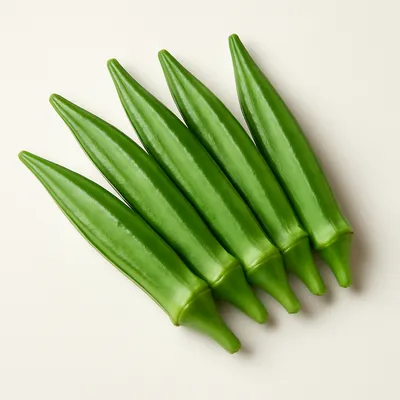


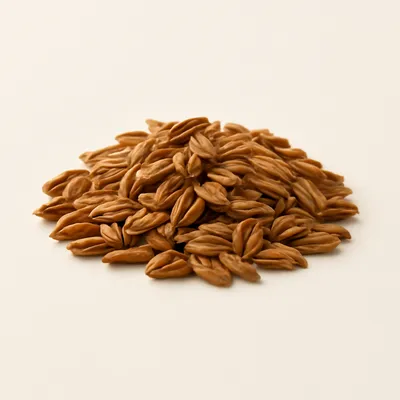

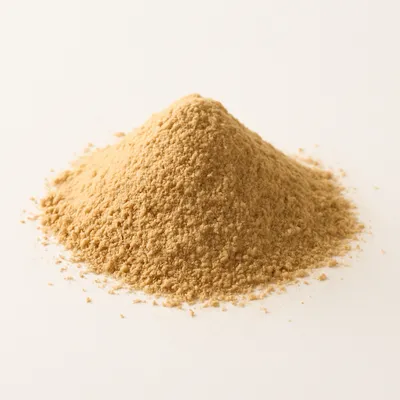
Bhindi (okra) reached India centuries ago and became a staple summer vegetable across the north; cooking it dry with onion, tomato, and a basic masala is a generic home preparation found throughout North India and the wider subcontinent rather than a dish with a single origin. The key cook's knowledge embedded in it — how to keep okra from going slimy — is the practical heart of the recipe. It has no documented inventor and is best understood as a regional home-cooking standard.
Tender okra pods, some browned and caramelized at the cut edges, in a dry coating of onion and spice with no gravy. The taste is earthy and a little nutty from the toasted okra, savory from cumin and coriander, and tangy at the finish from dried mango powder. The texture is the point: cooked through but not mushy, and crucially not slimy. Eaten scooped up with roti. If it is gluey and wet, the okra was cut wet or crowded in the pan and stewed in its own moisture.
Okra's sliminess comes from a water-soluble mucilage that releases when the cut pods meet moisture and gentle heat. The cook defeats it by drying the pods completely before cutting, cooking them over higher heat with enough oil and space so surface moisture flashes off, and adding a souring agent — amchur, lemon, or tomato late — whose acidity helps cut the slime. Sauteing the pods first until their edges brown sets them before the onion-tomato masala goes in, so they hold their shape rather than collapsing.
Variations
Bharwa bhindi stuffs whole pods with a dry spice mix before pan-frying; kurkuri bhindi tosses thin okra strips in spiced gram flour and deep-fries them crisp. A Punjabi dhaba version is heavier on onion and tomato, almost a semi-dry masala, while a South Indian leaning adds curry leaves and a mustard-seed tempering. Some cooks add besan toward the end to absorb moisture and crisp the coating.
On the Palate
Where Bhindi Masala sits in the Indian flavor cloud
Ingredients
Serves 4

How it's made
8 steps · 15 min
- 14 min
Wash the okra well, then dry every pod completely with a cloth — any surface water makes it slimy.
- 24 min
Trim the ends and cut the pods into 2 cm pieces.
- 310 min
Heat oil in a wide pan and saute the okra over medium-high heat, undisturbed at first, until the edges brown and the sliminess goes; remove and set aside.
Watch outLeave the okra alone at first and let it sear until the cut edges brown and it stops looking wet and stringy — that dry, no-slime look means it's set and won't collapse into the masala.
- 44 min
In the same pan, crackle cumin seeds, then fry sliced onion until soft and golden.
- 55 min
Add ginger-garlic, then chopped tomato, and cook until the tomato softens and the oil separates.
Watch outCook the tomato down until the oil pools out at the edges of the pan — that's the signal the raw, sharp taste is gone and the masala is ready for the okra.
- 62 min
Stir in turmeric, coriander powder, chili powder, and salt, and cook the masala for a minute.
- 74 min
Return the okra and toss gently over medium heat until coated and just tender, keeping it dry.
- 81 min
Finish with amchur and chopped coriander and serve with roti.
Archive tool suggestions — not reviewed
These legacy suggestions have not been evidence-reviewed and are not presented as required tools.


