Par-boiled potato pieces roasted in a cast-iron pan with a mustard-seed tempering, curry leaves, and pearl onions, then dry-rubbed with homemade sambar powder toward the end and crackled over high heat in minimal oil — the roasted-spice crust, built without any gravy, is the diagnostic Tamil answer to the potato.


The potato is a latecomer to South Indian cooking — a New World tuber carried to the subcontinent by Portuguese traders in the seventeenth century and spread inland under British cultivation in the eighteenth and nineteenth. Tamil cooks took to it not through the wet onion-tomato gravies of the north but through their own dry-roast idiom, the poriyal and varuval of the everyday meals plate. The defining move is to use sambar powder — a South Indian blend of roasted coriander, chana dal, dried chilli, and fenugreek — as a dry rub on par-boiled potatoes seared in a heavy iron pan, rather than as the base of a simmered curry. Crisp and crackle-crusted, it is the standard side to variety rices, curd rice, sambar, and rasam, and a fixture of the Tamil wedding and mess-hall spread.
The crust shatters with a dry crackle, deeply spiced and just short of scorched; inside the potato stays fluffy and soft; sweet caramelised pearl onions and fried curry leaf punctuate each bite, and the sambar powder leaves a slow coriander-and-chilli warmth.
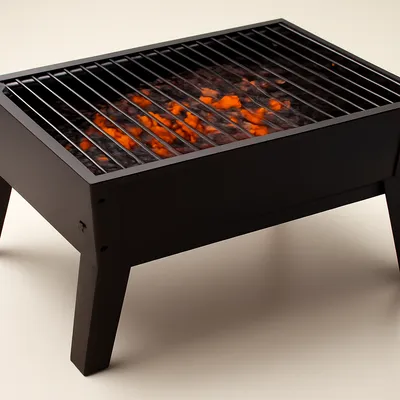
Par-boiling gelatinises the starch inside the potato so the interior turns fluffy and tender, but it must stop while the pieces still hold their shape — cooked through, the cell walls rupture and the roast collapses to mash. Drained and surface-dried, the potatoes meet the hot iron pan where their gelatinised surface dehydrates and browns through the Maillard reaction and starch caramelisation, building the crackled golden crust. Sambar powder is a pre-roasted blend whose fat-soluble aromatics bloom in the hot oil, but its ground spices and dal scorch to bitterness fast, so it goes in only near the end — long enough to toast and perfume, not to burn. A cast-iron pan's high thermal mass holds an even, fierce heat that chars without hot-spot burning, and a late dusting of gram flour (besan) can mop up surface oil and crisp into a thin shell that keeps the pieces separate.
Variations
The Tamil Brahmin version omits onion and garlic entirely, seasoning only with tempering, turmeric, and sambar powder. Some cooks skip the sambar powder for a simpler chilli-and-coriander-powder rub, or add a spoon of rice flour instead of besan for the crust. Baby potatoes, boiled and smashed lightly before roasting, expose more surface to the pan for extra crunch.
On the Palate
Where Urulaikizhangu Roast sits in the Indian flavor cloud
Ingredients
Serves 4

How it's made
8 steps · 15 min
- 115 min
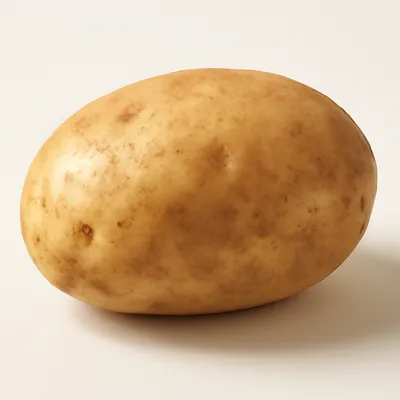
Pressure-cook or boil the potatoes just until a knife slips in with slight resistance — firm, not fully soft; cool, peel, and cut into 2-cm cubes or wedges.
Watch outPar-boil the potatoes only until a knife meets slight resistance — cook them soft and the cubes break down to mash in the pan instead of crusting.
- 23 min
Heat oil in a heavy cast-iron pan over medium-high; add mustard seeds and let them crackle, then urad dal and chana dal, and fry until golden.
- 34 min
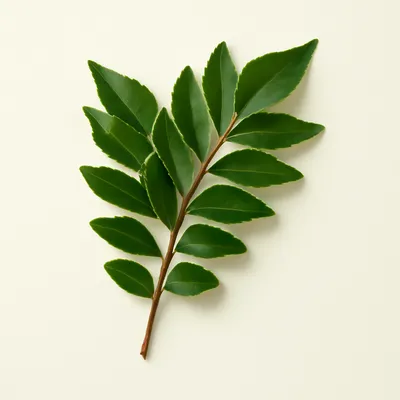
Add halved pearl onions and curry leaves; sauté until the onions soften and turn sweet at the edges.
- 42 min
Tip in the potatoes with turmeric, asafoetida, and salt; toss to coat and spread in a single layer.
- 59 min
Roast over medium-high heat, stirring only occasionally, until the surfaces dry out and a golden crust begins to form, 8–10 minutes.
Watch outRoast mostly undisturbed until the surfaces dry out and a golden crust forms — stir too often and the moisture never leaves, so it steams instead of crisping.
- 62 min
Add red chilli powder and sambar powder, tossing gently so every piece is coated without breaking the potatoes.
Watch outAdd the sambar and chili powders near the end and toss gently — thrown in early over high heat, the ground spice scorches bitter fast.
- 75 min
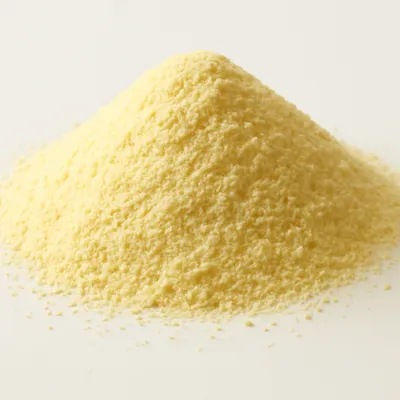
For extra crispness, dust in a spoon of gram flour, drizzle a little oil around the edges, and roast a further 4–5 minutes until crackled and deep golden.
- 81 min
Finish with a few fresh curry leaves and serve hot alongside rice and rasam or sambar.
Archive tool suggestions — not reviewed
These legacy suggestions have not been evidence-reviewed and are not presented as required tools.