
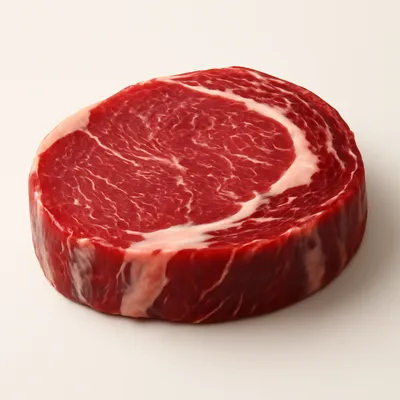
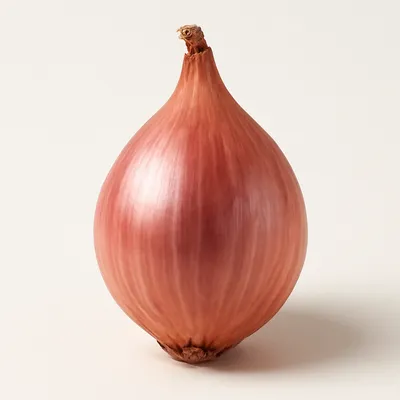
Beef Ularthiyathu, widely known as Kerala beef fry, is a dry-roasted beef dish from Kerala in which chunks of beef are first cooked tender, then slow-roasted with spices until dark and coated in a thick, almost crumbly masala. The beef is pressure-cooked or simmered with turmeric, coriander, black pepper, garam masala, chili, ginger and garlic, then fried down in coconut oil with sliced shallots, plenty of curry leaves and thin slivers of fresh coconut until the moisture cooks off and the meat browns. Unlike a gravied curry, it is essentially gravy-less — dense, peppery and intensely savory — and is most often eaten with Kerala porotta or rice. It is a signature of Kerala's Syrian Christian and wider Malabar tables.
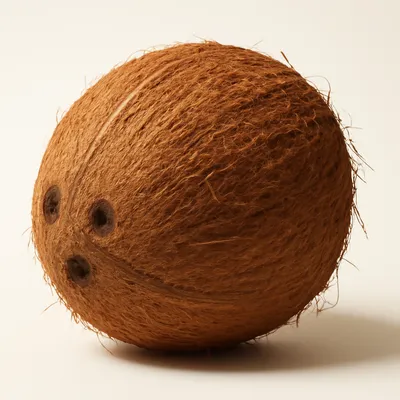

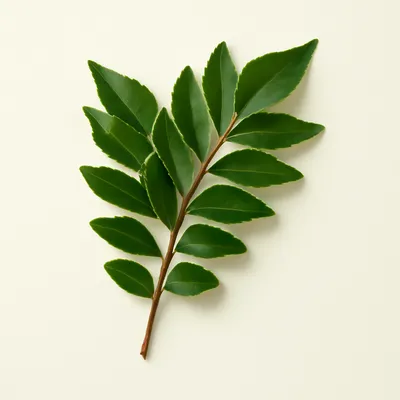
Beef Ularthiyathu is home and shop cooking from Kerala, where the eating of beef is long established among the state's large Christian and Muslim communities and where it is also common roadside fare. The name comes from the Malayalam ularthu, meaning to dry-roast or stir-fry down, which describes the defining technique rather than any single inventor or court. It is particularly associated with the Syrian Christian (Nasrani) kitchen of central Kerala and with the Malabar coast; coconut oil, fresh coconut slivers and curry leaves — all local staples — are intrinsic to it. Its exact origin is unrecorded, but it sits within a regional tradition of cooking meat as a dry roast (ularthiyathu) rather than a gravy.
Dark, dry pieces of beef glossed with oil and clinging masala, studded with browned shallots, fried coconut slivers and crisped curry leaves. The first note is black pepper — sharp and warm — backed by deep roasted-meat savor and the toasty sweetness of fried coconut. The beef is tender inside but with browned, slightly chewy edges from the long roasting. There is no sauce to speak of; each piece is concentrated, peppery and rich, made to be torn up with flaky porotta. Curry leaves and coconut crunch between the meat.
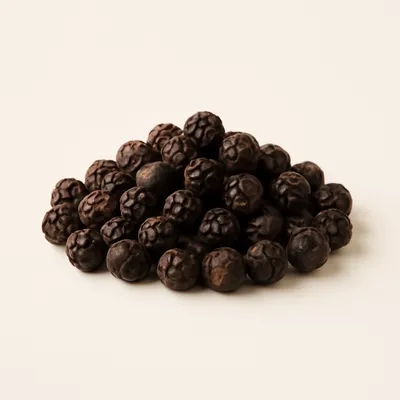
The dish works in two stages. Beef is tough, so it is first cooked with moisture — pressure-cooked or simmered — long enough for its collagen to convert to gelatin and the meat to become tender. The cooked beef and any remaining liquid are then transferred to a wide pan and roasted on higher heat, where the water boils off and, once the pan goes dry, the surface of the meat and the masala undergo Maillard browning — the deep color, roasted aroma and dry texture all come from this stage. Coconut oil carries the flavor and tolerates the heat; thin coconut slivers toast and turn sweet, black pepper is added generously since it stands up to the roasting, and curry leaves crisp and perfume the oil. The trick is to dry-roast without burning the spices.
Variations
Kerala beef is cooked in several closely related dry forms — beef ularthiyathu (slow-roasted with coconut slivers), beef fry and the more aromatic Kottayam-style beef roast, with regional and household differences in pepper level and coconut. A wetter cousin is the Malabar beef curry. Some Christian-style versions add a final tempering of mustard seeds and curry leaves in coconut oil; toddy-shop versions tend to be especially peppery. It is classically paired with Kerala porotta, and in some areas served with pazham pori (banana fritters) as a snack combination.
On the Palate
Where Beef Ularthiyathu sits in the Indian flavor cloud
Ingredients
Serves 4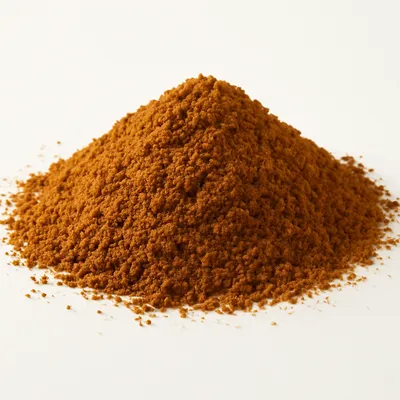


How it's made
7 steps · 25 min
- 110 min
Cut beef into bite-size pieces and marinate briefly with turmeric, coriander, black pepper, garam masala, chili and salt.
- 225 min
Pressure-cook or simmer the marinated beef with crushed ginger and garlic until tender, retaining the cooked-down liquid.
Watch outPressure-cook or simmer the beef tender first, keeping the liquid — the collagen has to melt to gelatin before the dry roast, or the meat stays tough.
- 38 min
Heat coconut oil and fry sliced shallots and curry leaves until golden; add thin slivers of fresh coconut and toast.
- 44 min
Add the cooked beef with its liquid to the pan and stir to coat in the fried base.
- 510 min
Roast on medium-high heat, stirring, so the liquid evaporates and the masala thickens around the meat.
Watch outRoast on higher heat until the liquid boils off and the pan goes dry — only then does the meat surface brown and the masala turn dark and roasted.
- 612 min
Keep dry-roasting until the meat browns and the masala turns dark and almost crumbly, adding more black pepper to taste.
Watch outKeep dry-roasting until the meat browns and the masala goes almost crumbly — this dry, dark finish is the whole point of ularthiyathu.
- 74 min
Finish with a handful of fresh curry leaves and a drizzle of coconut oil; serve hot with Kerala porotta or rice.
Archive tool suggestions — not reviewed
These legacy suggestions have not been evidence-reviewed and are not presented as required tools.


