The most sesame-forward of Hyderabad's salan family — a thick, dark Deccan curry built on a dry-roasted paste of sesame, peanut, and coconut dissolved into a tamarind-soured, onion-based gravy. The sesame-dominant sibling of Mirchi Ka Salan, it dresses hard-boiled eggs, aubergine, or vegetables, and serves equally well as a bold sauce over plain rice or flatbread.


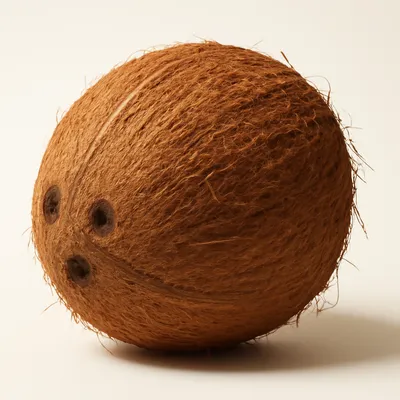
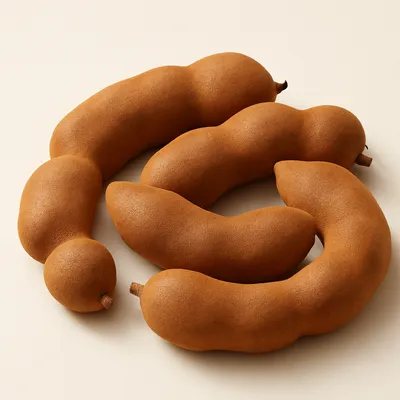


The salan family of nut-thickened, tamarind-soured curries is rooted in Deccan Muslim court cooking. Food historians trace the broader salan tradition to Mughal-era court kitchens; under the Asaf Jahi Nizams (18th–20th c.) it was codified as the essential biryani accompaniment at royal banquets. Nut-and-seed-based salans were a fixture of Nizam-era formal feasts, illustrating the Deccan synthesis of South Indian peanut-sesame traditions with Persian sour-fruit gravy techniques. Til Ka Salan shifts the ingredient balance within this framework to foreground sesame — the same method and tamarind structure as Mirchi Ka Salan, recentered on til as the dominant fat and aromatic source.
Dense and assertive: toasted sesame registers first with deep, roasted nuttiness; peanut richness follows; tamarind's bright acidity cuts through the fat; a warm finish of cumin, dried chili, and cardamom lingers on the palate.
Dry-roasting sesame at 150–170°C drives Maillard reactions producing pyrazines and furanones — the volatile compounds responsible for sesame's deep roasted character — while roasted peanuts release cell-wall lipids that, once ground together with sesame and desiccated coconut, form a dense protein-lipid emulsion that naturally thickens the gravy without starch. Tamarind's tartaric acid (pH ~2.5) provides brightness and inhibits oxidative browning. Cooking the nut paste in oil until fat visibly separates — the bhuna stage — indicates complete water evaporation and full Maillard development, eliminating raw-paste flavor. Coconut's medium-chain triglycerides further emulsify the tamarind water and sesame oil into a stable, glossy sauce throughout the final simmer.
Variations
Egg Til Ka Salan uses halved hard-boiled eggs as the protein; the aubergine version overlaps with bagara baingan in technique; okra or bell pepper substitute freely for the main ingredient; home-cook versions replace tamarind with yogurt for a milder, creamier sourness.
On the Palate
Where Til Ka Salan sits in the Indian flavor cloud
Ingredients
Serves 4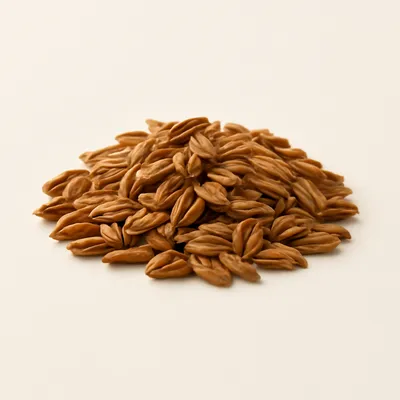


How it's made
7 steps · 20 min
- 110 min
Dry-roast peanuts in a heavy pan over medium heat for 4–5 minutes until lightly blistered; push aside, add sesame seeds and toast 2 minutes until pale gold; push aside, add desiccated coconut and toast 1 minute until pale gold. Cool slightly, then blend with 1/3 cup water to a smooth paste.
Watch outToast the sesame just to pale gold — the second it browns past that it tips bitter, and the whole gravy carries that scorched note.
- 210 min
Soak tamarind in 1/2 cup warm water for 10 minutes; squeeze to extract pulp, strain through a sieve and set the liquid aside.
- 31 min
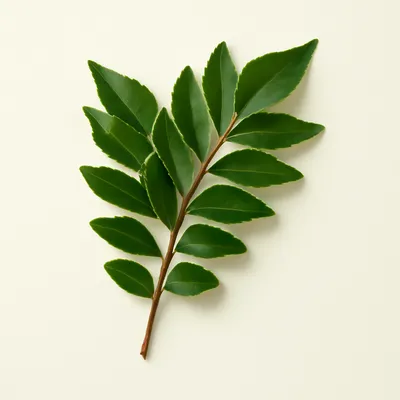
Heat oil in a wide pot; add mustard seeds and cumin seeds and wait for them to splutter. Add dried red chilies and curry leaves; fry for 30 seconds.
- 410 min
Add sliced onions; cook over medium heat for 8–10 minutes until deep golden. Add ginger-garlic paste; cook 2 minutes until the raw smell disappears.
- 58 min
Add the roasted nut-sesame-coconut paste; sauté over medium-low heat for 6–8 minutes, stirring frequently, until oil separates from the paste and the mixture visibly darkens.
Watch outFry the nut paste until the oil visibly separates out and it darkens — that split means the water's gone and the raw taste is cooked off.
- 65 min
Pour in the tamarind water; add turmeric, red chili powder, coriander powder, and salt. Stir well, bring to a simmer, and add up to 1/2 cup more water if needed to adjust consistency.
- 712 min
Add the main ingredient (hard-boiled eggs, vegetables, or serve as a plain sauce); cover and simmer on low heat for 10–12 minutes until oil floats on the surface. Adjust salt and tartness before serving.
Watch outIt's done when oil floats back to the surface — that returning sheen tells you the gravy has cooked down to the right body.
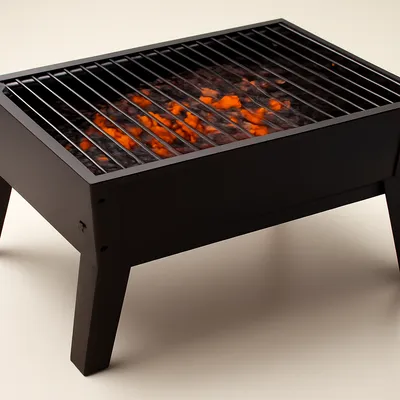
Archive tool suggestions — not reviewed
These legacy suggestions have not been evidence-reviewed and are not presented as required tools.