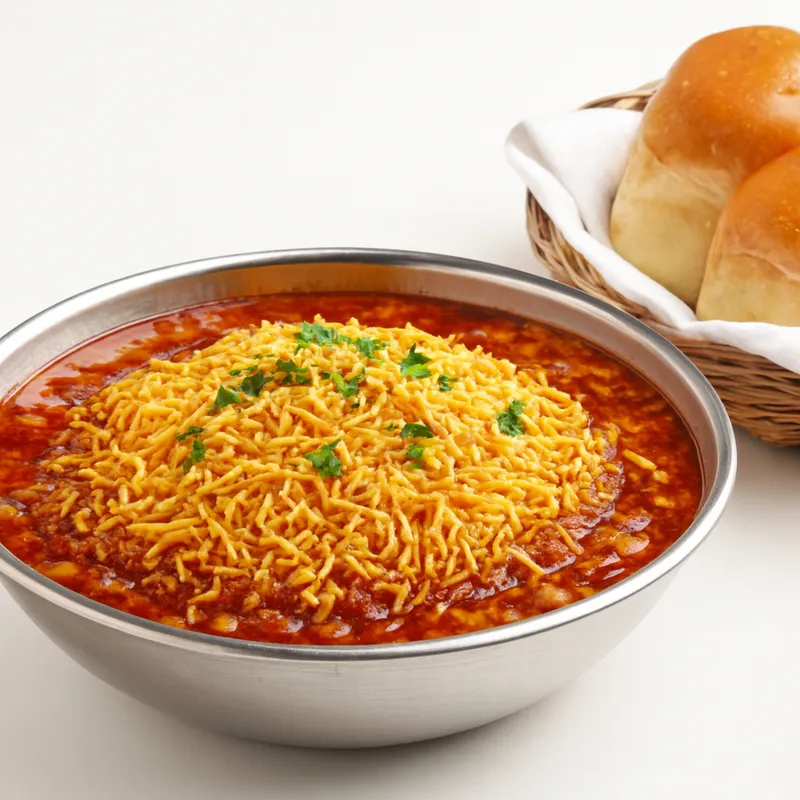
A Gaud Saraswat Brahmin staple from Goa's coastal kitchen, built on a thick, rust-red coconut gravy whose defining character comes from the dry-roasting of fenugreek seeds and urad dal — the two ingredients encoded in its Konkani name, uddamethi. Fresh mackerel (bangda) is gently simmered in this deeply aromatic base, which balances the fish's oily richness against the bittersweet warmth of fenugreek, the earthiness of ground black gram, and the bright tartness of tamarind. Rarely found in restaurants, it circulates as household knowledge within Saraswat families.



Bangda Uddamethi belongs to the fish-cooking tradition of the Gaud Saraswat Brahmins (GSBs) of Goa and the Konkan coast — a community distinctive among Brahmin sects for its sustained seafood practice, which community tradition traces to a mythological dispensation granting their Matsya gotra (fish lineage) the right to eat fish. GSB cuisine avoids alliums such as onion and garlic, building flavor depth instead from dry-roasted legumes, seeds, and spices; the pairing of urad dal and fenugreek seeds as the dominant base of a fish curry is one of the GSB kitchen's most characteristic contributions, giving the dish a bittersweet earthiness no other regional preparation replicates. The technique extends across the full width of the Konkan coast, appearing in nearly identical form in Malvan, Maharashtra, reflecting centuries of shared trade in dried pulses along this shoreline.
Rich and coating, with the warm bittersweet hum of fenugreek cutting through the fatty richness of the mackerel; tamarind lifts a persistent bright sourness throughout, while the ground urad dal gives the gravy a dense, almost velvety body that clings to the fish and anchors the whole dish.
Dry-roasting the fenugreek seeds at medium heat drives off volatile bitter aldehydes while triggering Maillard reactions that form nutty pyrazines; thermal decomposition of trigonelline releases nicotinic acid and pyridine derivatives, converting harsh rawness into controlled bittersweet warmth. Over-roasting reverses the benefit — seeds turn acrid — requiring close attention. Simultaneous roasting of urad dal generates complementary toasted pyrazines and earthy aroma compounds. Raw rice ground into the paste gelatinizes during simmering, thickening the gravy without cloudiness. Tamarind's tartaric and citric acids denature mackerel surface proteins on contact, firming the flesh; the subsequent low simmer at 80–85 ℃ fully sets the myofibrillar proteins without overcooking. The mackerel's omega-3-rich fats dissolve into the coconut-cream base, enriching the gravy while fat-soluble capsaicin from the Kashmiri chilies distributes evenly in the lipid phase, delivering consistent color and gentle heat.
Variations
Aamlechi uddamethi (raw mango replacing tamarind and mackerel — the vegetarian version); ambadyachi uddamethi (hog plum / ambade substituted for tamarind); tirphal variant (teppal, the Konkani wild pepper, pounded into the curry for a citrusy numbing note); Malvani version (heavier coriander masala, sometimes finished with dried shrimp stock).
On the Palate
Where Bangda Uddamethi sits in the Indian flavor cloud
Ingredients
Serves 4


How it's made
8 steps · 30 min
- 115 min
Gut, head, and rinse the mackerel under cold running water; cut into 2-inch pieces and rub lightly with salt and a pinch of turmeric. Set aside.
- 215 min
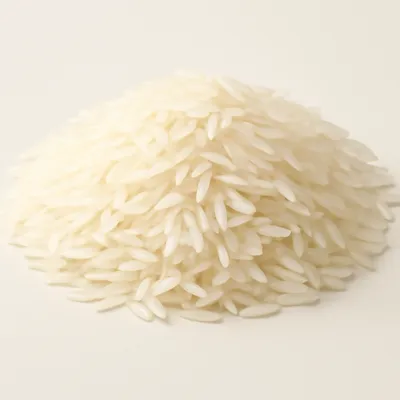
Heat a dry skillet over medium-low heat. Roast each ingredient separately in sequence: Kashmiri dried chilies (30 seconds until fragrant); coriander seeds and black peppercorns together (1–2 minutes); raw rice (2–3 minutes until golden); urad dal and fenugreek seeds together (2–3 minutes until nutty and golden-brown — watch closely and remove immediately before the fenugreek darkens too far).
Watch outPull the fenugreek off the heat the instant it turns golden and nutty — a moment past golden and it turns acrid and bitters the whole curry.
- 310 min
Grate fresh coconut. Combine all roasted spices and grated coconut in a blender with raw tamarind pulp; add a small amount of water and grind to a smooth, thick paste.
- 48 min
Heat coconut oil in a heavy clay pot or thick-bottomed pan over medium heat. Add a few whole fenugreek seeds; once they begin to splutter, pour in the ground paste and fry, stirring steadily, for 3–4 minutes until the raw smell lifts and oil begins to separate at the edges.
Watch outFry the ground paste until the raw smell lifts and oil beads at the edges — this is when the base is cooked enough to build the gravy on.
- 55 min
Stir in turmeric powder and season with salt; mix well. Add approximately 300–350 ml water, stirring to reach a thick, pourable gravy consistency.
- 65 min
Raise heat until the gravy reaches a gentle simmer. Carefully slide the marinated mackerel pieces into the curry; if using teppal (tirphal), add a few lightly pounded pieces now.
- 77 min
Reduce heat to low; cover and simmer for 5–7 minutes without stirring. The fish is done when the flesh at the thickest point flakes easily at gentle pressure — do not overcook or the mackerel will fall apart.
Watch outCover and simmer without stirring until the fish flakes at the thickest point — stir or overcook and the mackerel falls to pieces.
- 85 min
Remove from heat and rest, covered, for 5 minutes to allow flavors to settle. Serve with red parboiled rice.
Archive tool suggestions — not reviewed
These legacy suggestions have not been evidence-reviewed and are not presented as required tools.