A seasonal Gujarati sabzi of shelled fresh green pigeon peas simmered in a sweet-sour masala of tomatoes, jaggery, and tamarind, found only in winter when the pods are freshly harvested. Eaten with rotli and dal.



Fresh pigeon peas, known in Gujarat as tuvar lilva or lilva, have been harvested in Saurashtra and North Gujarat during winter for centuries. Unlike dried split pigeon peas used year-round, the fresh green pods appear in markets only between November and January, when their texture is creamier and their flavor more delicate than the dried form permits. The sweet-sour grammar of the dish — jaggery for sweetness, tamarind for tartness — is the defining characteristic of Gujarati vegetable cookery, shaped over centuries by the mercantile Vaishya and Jain communities who placed this flavor balance at the center of their cuisine. The vaghar, a hot-oil tempering of mustard seeds, cumin, and asafoetida that opens most Gujarati sabzis, sets the aromatic base before the masala is built.
Sweet and sour in near-perfect equilibrium: the fresh pigeon peas are creamy-firm with a mild grassy sweetness, the masala background warm without excessive heat. The tamarind sharpens while the jaggery rounds it; eaten with rotli, each bite is clean, bright, and unmistakably seasonal.
Fresh pigeon peas contain 7–9% protein and significant starch. At 100°C, the cell walls rupture and starch granules gelatinize, producing a creamy interior while releasing natural body into the gravy. Tomato acid maintains a low pH that stabilizes pectin in the cell walls, preventing the peas from overcooking into mush. When jaggery is added in the final minutes, its reducing sugars caramelize lightly in residual heat, rounding the tartness of the tamarind. The opening vaghar converts glucosinolates in the mustard seeds into volatile allyl isothiocyanates and the sulfur compounds in asafoetida into dimethyl disulfide — both vaporize instantly into the hot oil to produce the sharp, savory aroma that defines Gujarati cooking.
Variations
A Jain version omits asafoetida and replaces tamarind with kokum. In Surat, a drier style with minimal gravy is preferred. Some cooks stir in freshly grated coconut at the finish for added richness.
On the Palate
Where Tuvar Lilva nu Shaak sits in the Indian flavor cloud
Ingredients
Serves 4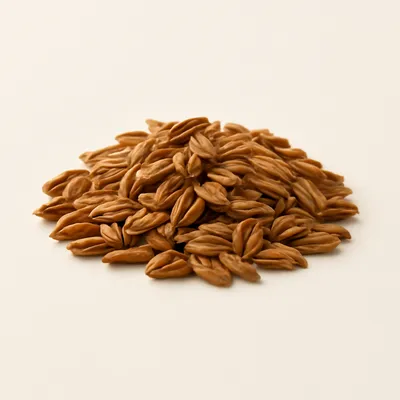

How it's made
7 steps · 20 min
- 110 min
Shell fresh pigeon peas and rinse well; set aside.
- 23 min
Heat oil in a kadai over medium-high heat; add mustard seeds and cover until they splutter, then add cumin seeds and a pinch of asafoetida.
Watch outCover the pan the moment the mustard seeds go in and wait for them to finish spluttering — that's the oil releasing their pungent, aromatic edge.
- 35 min
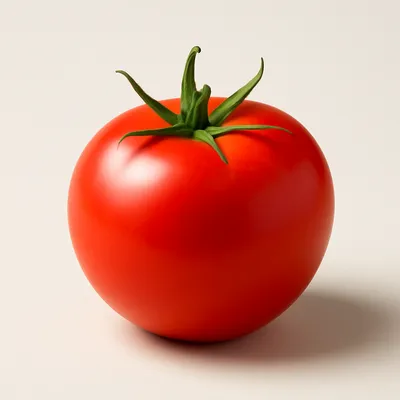
Add finely chopped tomatoes and cook, stirring, until completely soft and oil begins to separate, about 5 minutes.
- 42 min
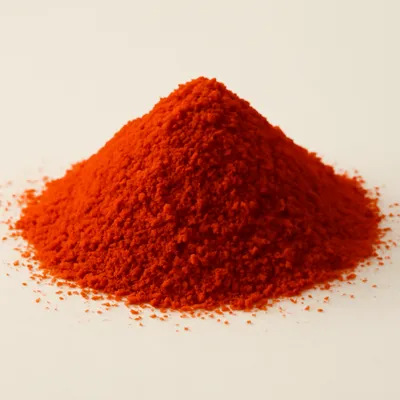
Add turmeric, red chili powder, and coriander-cumin powder; stir well and cook 1–2 minutes.
- 52 min
Add the pigeon peas and stir to coat evenly in the masala.
- 620 min
Add 120 ml warm water; cover and simmer over medium heat until peas are tender and cooked through, about 18–20 minutes.
Watch outCover and simmer the peas 18–20 minutes until tender all through — fresh pigeon peas need real time; underdone they stay starchy and hard.
- 74 min
Stir in jaggery and tamarind pulp; cook uncovered 2 minutes, adjust salt, and garnish with fresh coriander leaves.


