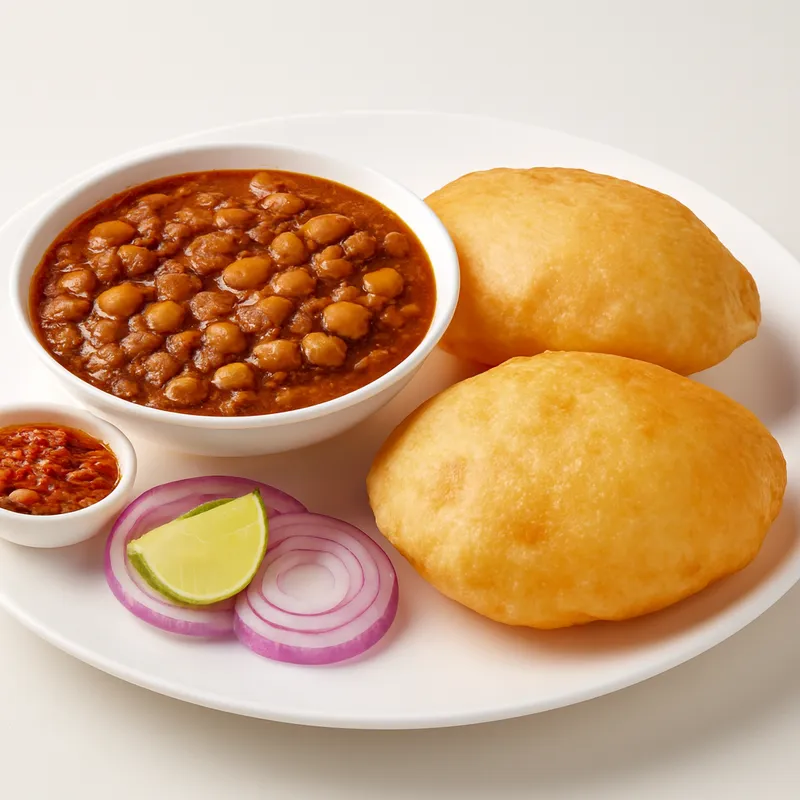
A one-pot Hyderabadi rice dish of turmeric-yellow basmati cooked together with bone-in mutton, absorbing the meat's juices and whole spices directly in a single pot — the everyday working-class counterpart to biryani, simpler in method but deeply satisfying in flavor.
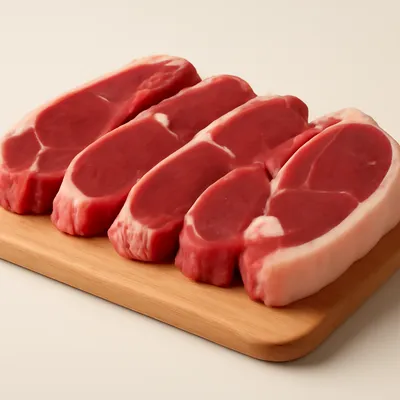





References to tāpaharī-style rice-and-meat dishes appear in the Pakadarpana cookbook (c. 1200 CE) and the Sanskrit Bhojanakutūhala (1675 CE). In Hyderabad the mutton tahari evolved in army encampments and working-class urban kitchens under the Nizams, serving soldiers and clerks who could not afford the elaborate layered biryani of the royal court. Unlike biryani, where rice and meat are cooked separately then layered, tahari combines both in a single pot without stock pre-cooking, establishing itself as the everyday rice dish of Hyderabadi and Aurangabad working-class households throughout the Nizamate.
Each grain is turmeric-gold and toothsome; bone-in mutton falls tender, marrow fat pooling into the rice. Whole cardamom and clove spike the warmth while tomato lends a subtle tartness that lifts the richness.
Rinsing and soaking basmati removes surface starch, ensuring grains absorb the spiced broth while staying separate. Prolonged simmering at ~100°C converts collagen in mutton bones and connective tissue into gelatin, enriching the braising liquid that the rice then absorbs. Marrow fat emulsifies into the stock. The final sealed low-heat cook (dum method) traps steam inside the pot, circulating heat evenly from both the liquid below and the steam above, yielding every grain fully cooked and fluffy with all liquid absorbed.
Variations
Vegetarian tehri (potatoes, peas, cauliflower) is the dominant form across Uttar Pradesh; Old Dhaka-style beef tahari uses mustard oil and green chilies for a pungent edge; some Hyderabadi families prefer water buffalo over mutton for its firmer, leaner texture.
On the Palate
Where Tahari sits in the Indian flavor cloud
Ingredients
Serves 4
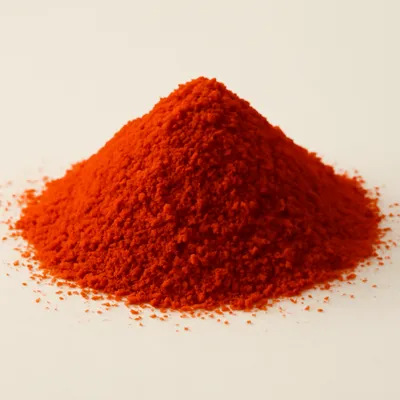


How it's made
8 steps · 30 min
- 125 min
Rinse basmati rice until water runs clear; soak in cold water for 25 minutes, then drain thoroughly.
- 210 min
Heat ghee in a heavy-bottomed pot over medium-high heat; add sliced onions and fry, stirring often, until deep golden-brown, about 10 minutes.
Watch outFry the sliced onions to a deep golden-brown, not just soft — that browned base carries the whole dish's color and depth.
- 38 min
Add ginger-garlic paste and bone-in mutton pieces; stir-fry over high heat until all surfaces are sealed and lightly browned, about 8 minutes.
- 412 min
Add chopped tomatoes, yogurt, turmeric, chili powder, and whole spices (cardamom, cloves, cinnamon, bay leaves); cook over medium heat, stirring, until tomatoes break down and oil separates from the masala, 10–12 minutes.
- 535 min
Pour in enough water to just cover the meat; bring to a boil, then reduce heat, cover, and simmer until mutton is about 70% cooked — meat beginning to pull from bones — approximately 35 minutes.
Watch outBraise the mutton only to about 70 percent — meat just starting to pull from the bone — before the rice goes in, so it finishes together with the grains.
- 63 min
Add the drained basmati rice and fold gently so every grain is submerged in the spiced broth.
- 720 min
Tighten the lid (or seal with dough), reduce to the lowest flame, and cook undisturbed for 18–20 minutes until rice has absorbed all liquid and is fully cooked.
Watch outSeal it tight on the lowest flame and don't lift the lid — the trapped steam is what cooks every grain fluffy and dry; peeking lets it out.
- 810 min
Remove from heat; rest sealed for 10 minutes, then gently fluff with a fork and serve.