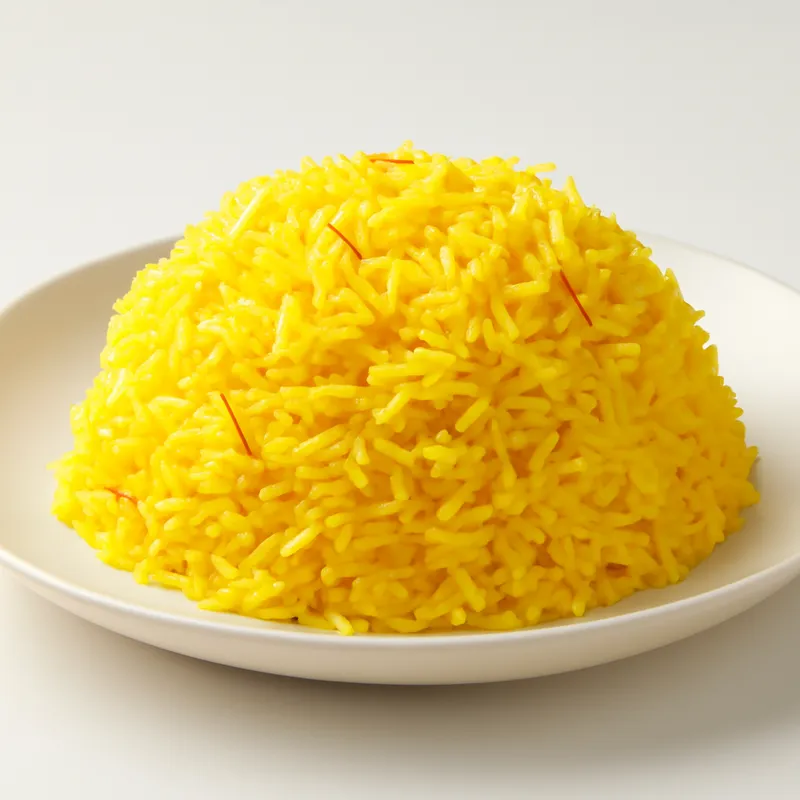
Fragrant and long-grained, basmati rice features a delicate, nutty flavor and a fluffy texture that makes it a perfect base for a variety of dishes. Its aroma is as captivating as its taste.
Where it comes from
Basmati rice hails from the Himalayan region, where it has been cultivated for centuries, cherished for its unique flavor and aromatic qualities.
In the kitchen
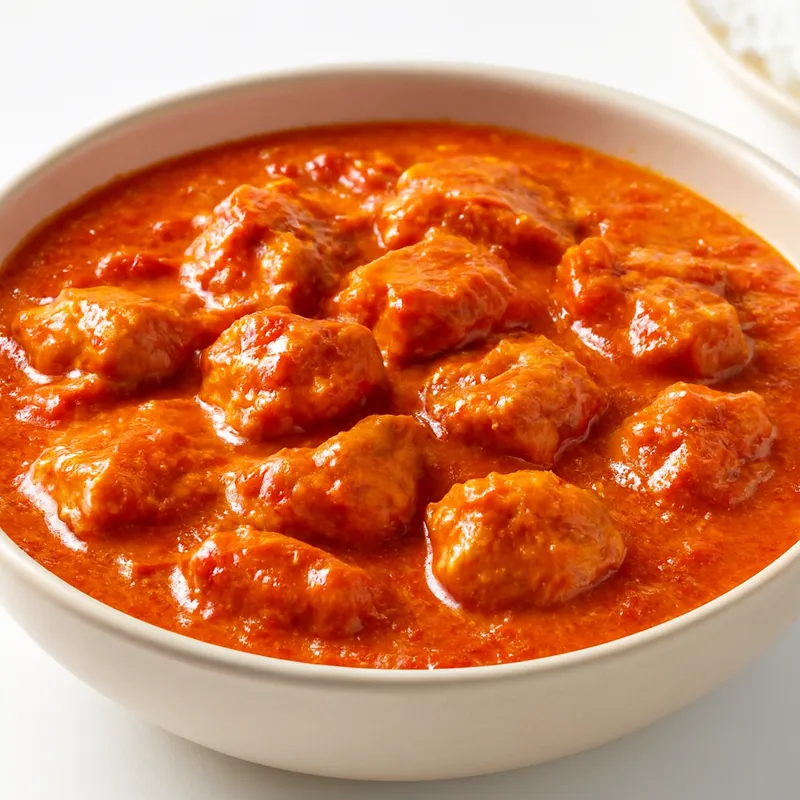
Basmati rice is the ideal accompaniment to curries and biryanis, absorbing spices beautifully while providing a light, fluffy texture that complements rich dishes.
Across cuisines
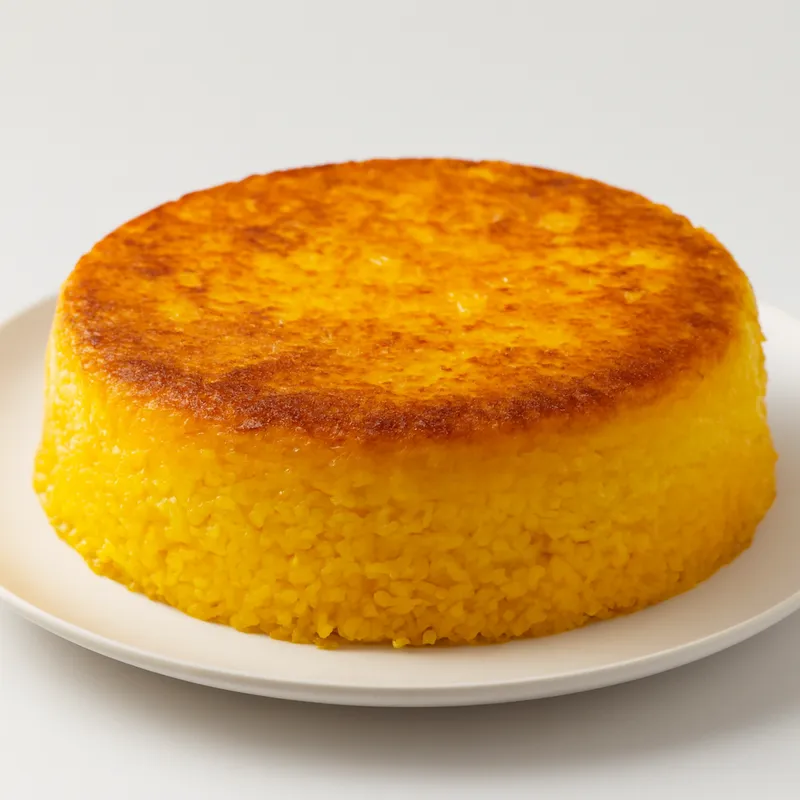
Long-grain basmati rice is the foundation of Afghan polo (rice-and-lamb steamed pilaf) — qabili palaw, reshteh polo, polo shirin, sabzi challaw. The Persian-influenced steam-over-meat technique is the defining Afghan rice method: rice is parboiled, then layered over the cooked lamb and steamed under low heat until separate-grained.
Long-grain basmati rice is the base of every Bangladeshi celebratory dish — kacchi biryani (raw-marinated meat layered with rice), tehari (one-pot rice with beef), and akhni polao. Parboiled to 70%, then layered and dum-cooked under a sealed lid so the rice finishes in steam alone.
Long-grain basmati rice is the Pakistani celebration grain — aged at least one year before cooking (the older the better), parboiled to 70%, then layered with marinated meat for dum biryani and tahari rice. The 1121-variety basmati from Punjab is the export-quality standard; every Pakistani household has a preferred brand.
Nutrition (per 100g)
AI-estimated; model and run unavailable.
Pairs well with