
The wedding-and-Nowruz polo of western Afghanistan — long-grain basmati layered with caramelized julienned orange peel and carrot, sweetened raisins, slivered almonds and pistachios, all steamed together with saffron-butter under a kitchen-towel lid to develop a deep golden tahdig (crispy rice crust) at the bottom. Served upside-down on a platter to display the crust.


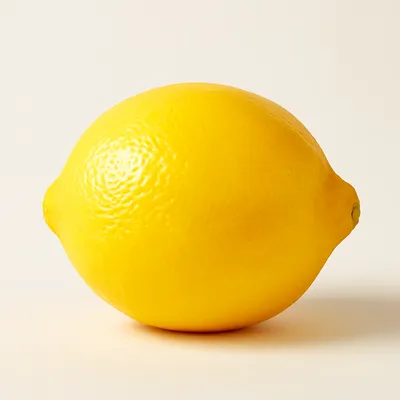
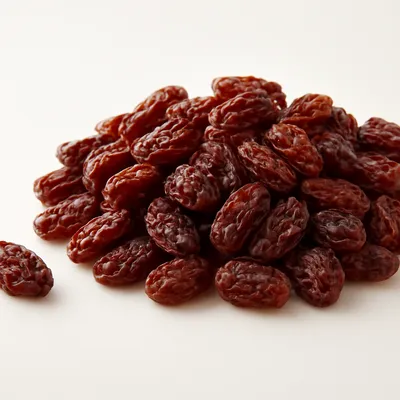
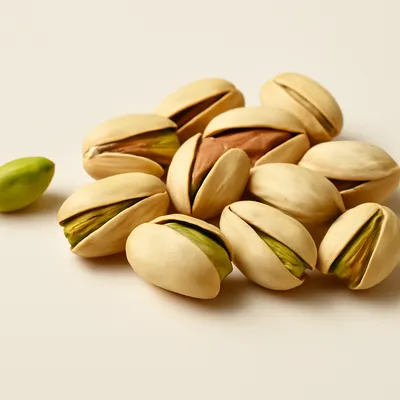

Persian polo culture at its most ceremonial — polo shirin (literally 'sweet pilaf') appears at Persian and Herati weddings, where the sweet rice symbolizes a sweet marriage. The technique is borrowed directly from Iran (especially shirin polo of Tehran, also called javaher/morasa polo, 'jeweled rice,' for the way the candied peel and nuts sit in it like set gems), but Herati cooks use a higher proportion of carrots to orange peel. The defining technical achievement is the tahdig — the crispy rice crust at the bottom of the pot — which the cook flips dramatically onto the platter at serving.
Each forkful captures the full layered structure — fluffy saffron-tinged rice + sweet caramelized carrot threads + bittersweet orange peel + plump raisins + crunchy almonds and pistachios. Then the tahdig: shattering crisp, deeply buttery, with a tahini-like nuttiness from the toasted starch. The contrast between the soft fragrant rice and the crackling crust is the whole point. Some cooks scatter pomegranate seeds for a bright tart pop. A wedding plate.
Parboiling rice before steaming is the Persian method — it cooks the exterior fast, removing surface starch, so the grains stay separate during the long steam (gluten-free polo style). The tahdig forms because direct contact with the hot buttered pot bottom slowly caramelizes the starch — the kitchen-towel lid traps steam and forces it down, cooking the rice while gently dehydrating the bottom layer. The 4 holes through the rice allow steam to circulate. Lifting the lid early would deflate the structure.
Variations
Herati classical (carrot + orange peel + raisin + pistachio + almond + saffron); Tehran version omits orange peel and uses barberries instead; festive wedding version adds slivered candied citron and crystallized rose petals; some Mashhad households use butter and chicken stock instead of water for richer flavor; a vegetarian-friendly version uses olive oil instead of butter.
On the Palate
Where Polo Shirin sits in the Afghan flavor cloud
Ingredients
Serves 6
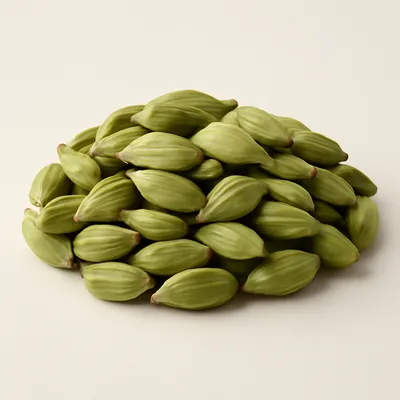


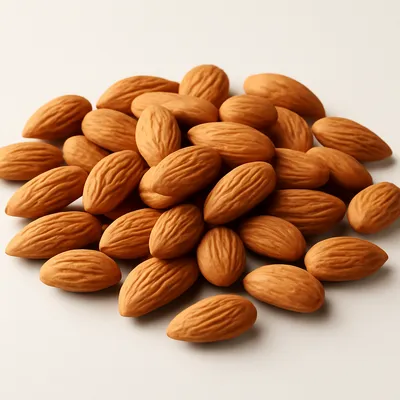
How it's made
11 steps · 1 hour 30 min active + 1 hour 30 min waiting
- 165 min
Rinse 3 cups basmati rice until water runs clear. Soak 1 hour in cold salted water; drain.
- 28 min
Julienne the peel of 2 oranges (pith removed) into thin strips. Blanch in 2 cups boiling water 3 minutes to remove bitterness; drain. Repeat with fresh water. Drain again.
Watch outBlanch the orange peel twice in fresh water — taste a strip; if it's still bitter, the finished rice will carry that bitterness through.
- 34 min
Julienne 3 large carrots into matchsticks of the same size as the orange peel.
- 44 min
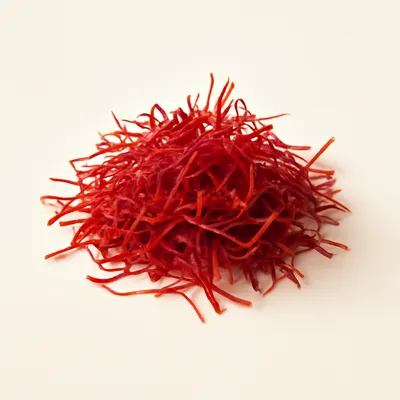
Bloom 1/2 tsp saffron threads in 3 tbsp warm water; set aside.
- 517 min
In a heavy pan melt 3 tbsp butter. Add the carrots and orange peel; cook 8 minutes until tender. Sprinkle with 1/3 cup sugar and 1 tsp cardamom; cook 5 minutes more until caramelized. Stir in 1/2 cup golden raisins and warm 2 minutes. Remove from heat. Stir in 1/2 cup slivered almonds and 1/2 cup chopped pistachios.
- 612 min
Parboil rice: bring 3 liters salted water to a vigorous boil. Add the drained rice; cook 6 minutes — rice should be al dente, still firm at the center. Drain immediately and rinse with cool water to stop cooking.
Watch outPull the rice at six minutes — still firm at the very center; fully soft now means mush after the long steam.
- 75 min
In a heavy non-stick pot melt 4 tbsp butter + 2 tbsp neutral oil over medium. Spoon in 2 cups of the parboiled rice, packed flat to form the tahdig layer. Pour in 2 tbsp saffron water over this layer.
Watch outPress that first layer flat and tight against the buttered pot — solid contact is what turns it into a golden crust instead of loose grains.
- 85 min
Now layer the rest: a generous mound of plain rice, a sprinkle of the carrot-fruit-nut mixture, more rice, more mixture, finishing with a final layer of plain rice. Build a cone shape.
- 94 min
Make 4 deep holes from top to bottom with the handle of a wooden spoon. Pour 1/4 cup melted butter and 2 tbsp water over the surface. Wrap the pot lid in a clean kitchen towel (catches steam).
- 1060 min
Set on lowest heat for 50 minutes — do not lift the lid. After 50 minutes, turn off heat and rest 10 minutes covered.
Watch outDon't lift the lid for the full fifty minutes — let the steam go and the crust deflates and won't set.
- 117 min
To serve: gently loosen the edges of the rice with a knife. Place a serving platter upside-down on top of the pot. Quickly invert to flip the rice onto the platter. The tahdig should release as a beautiful golden disc on top. Garnish with extra saffron water, the remaining carrot mixture sprinkled around, and fresh pomegranate seeds.
Archive tool suggestions — not reviewed
These legacy suggestions have not been evidence-reviewed and are not presented as required tools.
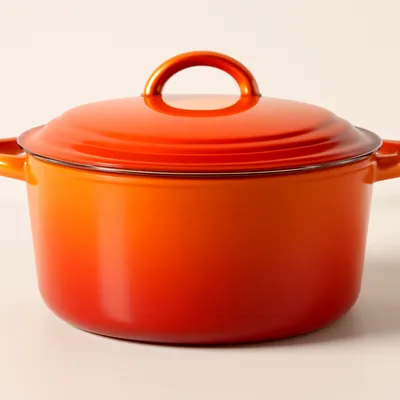
A heavy enameled or bare cast-iron lidded pot, 4-7 liters, with thick walls and a snug lid. The mass evens out hotspots; the lid traps moisture for braising. Sears on the stovetop, then transfers to a 150°C oven for 3-4 hours of even, contained heat — the structural difference between a beef bourguignon that comes out luminous and one that turns to gray mush. Le Creuset and Staub are the celebrated versions; an old American Wagner is functionally identical.

Round metal pot, 14-26 cm diameter, with vertical walls and a long handle, designed for sauces, soups, oatmeal, rice, boiled vegetables. The vertical walls minimize evaporation (vs. a sauté pan). Sizes: 1 qt for melting butter, 2-3 qt for sauces, 4 qt for soups. Stainless-steel-clad aluminum or copper is best for conduction; cast-iron is too thick for delicate sauces.


