
Lamb chunks browned in sheep-tail fat (kurdyuk) with onions and thickly julienned carrots, layered with long-grain rice and slow-cooked in a sealed kazan (Central Asian wok-pot) until the rice is fluffy and golden-orange. Garlic heads buried whole, cumin and barberries threaded throughout. The shared Central Asian rice-and-lamb dish; Kazakh-style is slightly less fatty than Uzbek.

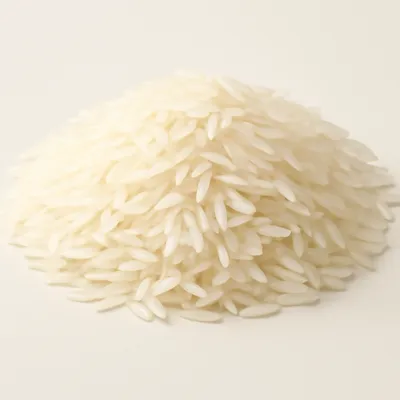



Plov (also pilaf, pilav, palaw) is the central dish of Central Asian Turkic cooking, shared across Kazakhstan, Uzbekistan, Tajikistan, Turkmenistan, Afghanistan, and Iran. The Kazakh version is distinguished by less use of fat than Uzbek plov and the inclusion of dried barberries (zirk). Plov is cooked in a kazan (heavy cast-iron wok-pot) over wood fire traditionally; modern Almaty kitchens use the same pot on gas stoves. Wedding plov serves 200+ people from a single enormous kazan.
Fork brings up tender lamb chunk, golden-stained rice, sweet thick carrot strip, soft whole garlic clove squeezed out of skin into the bite, and the occasional tart burst of dried barberry. The rice is fluffy-separate (each grain coated in rendered fat from below), the meat surrenders, and cumin warms the whole bite. The sheep-tail-fat richness is the Kazakh signature — substitution with vegetable oil produces a different, less-authentic dish.
Sheep-tail fat is the structural identity — it has a higher smoke point and more nuttiness than other animal fats; substituting butter or olive oil loses the Central Asian flavor. Layering rice on top of meat (rather than mixing) means the rice steam-cooks rather than wet-boils, giving fluffy-separate grains. Whole garlic cloves buried in the rice infuse aroma without burning. The 25-min covered cook + 10-min rest period is critical — early lid-lifting releases steam and produces undercooked rice.
Variations
Quail-egg plov adds 12 small quail eggs (boiled, peeled) to the rice layer — Almaty restaurant version. Chickpea plov adds soaked chickpeas to the meat layer — traditional in southern Kazakhstan. Tashkent (Uzbek) plov uses more fat and includes raisins; the Kazakh-Uzbek border villages argue over which is right.
On the Palate
Where Plov Kazakhstanskiy sits in the Kazakh flavor cloud
Ingredients
Serves 6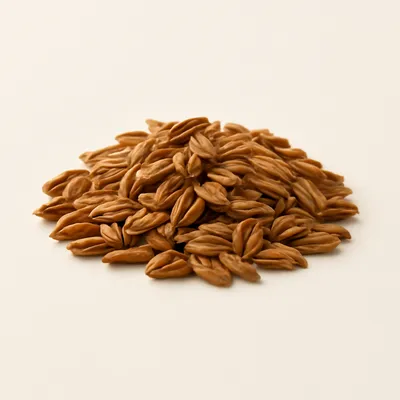


How it's made
10 steps · 30 min active + 1 hour waiting
- 147 min
Pre-soak 500 g long-grain basmati rice in cold water 45 min. Drain.
- 210 min
Cube 100 g sheep tail fat (kurdyuk) into 1 cm dice. Render in a kazan or heavy Dutch oven over medium 8 min — fat liquefies, cracklings form. Lift cracklings to a plate; reserve fat (about 4 tbsp) in pot.
Watch outThe fat is fully rendered when the cubes shrink to golden cracklings and the pot is clear liquid fat.
- 316 min
Add 800 g lamb shoulder cubed (4 cm) into the rendered fat. Brown 8 min over medium-high. Add 2 sliced onions; cook 6 min until golden.
- 46 min
Add 400 g carrots julienned into thick 5 mm × 5 cm strips (not grated — thick julienne is structural). Cook 5 min, stirring gently.
- 54 min
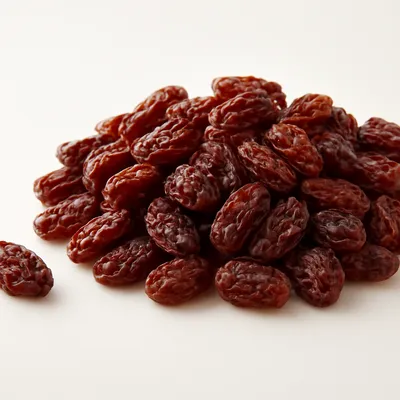
Stir in 1 tbsp cumin seeds + 1 tsp salt + 1 tsp ground coriander + 2 tbsp dried barberries (or substitute 2 tbsp raisins) + 1 head of garlic (cloves separated, peels on).
- 622 min
Pour 700 ml hot water over to just barely cover. Bring to a boil. Simmer uncovered 20 min until carrots are tender and water has reduced to about 1 cm depth.
Watch outSimmer until the liquid drops to about a finger's depth under the meat — that's when the rice goes on.
- 74 min
Spread soaked rice evenly over the meat-and-carrot layer. Don't stir. Add water if needed to barely cover rice (about 200 ml hot water on top).
- 827 min
Cover tightly with lid (or foil + lid for seal). Reduce heat to lowest. Cook 25 min — steam-vapor cooks rice top-down through the meat layer.
Watch outYou want a bare, steady steam, not a boil — keep the heat at its lowest so the rice cooks in vapor.
- 911 min
Off heat, rest covered 10 min. Don't lift the lid until ready.
- 108 min
To serve: with a wooden spoon, gently lift rice off the top, then meat, carrots, garlic, and place them attractively on a large platter. Or stir gently to mix and pile in mound. Scatter the saved cracklings on top. Serve with pickled red onion on the side.


