
Long-grain rice cooked in tomato-onion-pepper sauce with chicken (or beef) chunks, seasoned with bouillon, ginger, garlic, and bay leaf — Mali's claim in the West African jollof rivalry. Distinctive from Nigerian (sweeter, parboiled rice), Senegalese (more fish), and Ghanaian (more pepper) versions. The Malian version is balanced and pepper-warm.
The 'jollof wars' — the playful but real culinary rivalry between Senegal, Mali, Nigeria, Ghana, and Sierra Leone over who makes the best jollof rice — is one of West Africa's most-debated food topics. The name 'jollof' derives from the Wolof people and the Jolof (Wolof) Empire, a confederacy that ruled parts of present-day Senegal, Mali, Gambia, and Mauritania from around the 12th century, centered in Senegambia. The ancestral dish is the Wolof 'ceebu jén' (Senegal's thiéboudienne, from Wolof ceeb 'rice' + jén 'fish'); its modern form is credited to Penda Mbaye (c. 1904–1984), a cook in Saint-Louis who, when barley ran short, substituted broken rice introduced via French merchants from Vietnam. As the Wolof empire's influence radiated outward, the dish spread across West Africa and diversified into the versions collectively called jollof. Thiéboudienne was inscribed on UNESCO's Intangible Cultural Heritage list in 2021. Malian jollof is distinguished by its medium spice level and the use of bouillon cube as the umami backbone. Eaten at every Malian celebration — wedding, baby naming, Eid, birthdays.
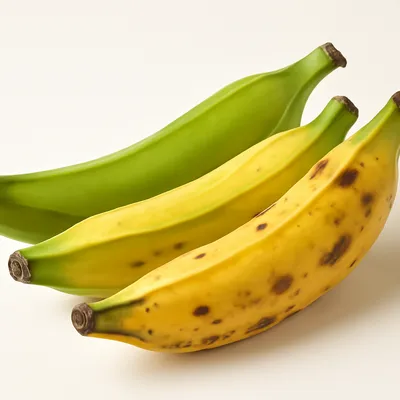
Fork brings up tender chicken in red-orange rice; each grain is plump and infused with the tomato-pepper-bouillon flavor. The scotch bonnet adds a slow-building heat behind the savory; ginger gives a subtle warmth. The crispy kanji bottom layer is the prize — diners scoop more from the bottom of the pot. Eaten with a side of fried plantain (alloko-style) and yassa onion sauce, jollof Malien is the country's celebration meal that ignites debate about whose version is best.
Deep caramelization of onions (10 min) before adding tomato paste is structurally critical — without it, the dish tastes flat. Toasting tomato paste until darkened (6 min) develops the umami depth. Bouillon cubes (the West African secret ingredient) provide concentrated flavor that fresh stock can't match — every West African cook uses them despite the criticism. The covered cook + rest is universal rice technique; opening the pot during cooking releases steam and undercooks the rice.
Variations
Beef jollof Malien (jollof au boeuf) uses bone-in chunks. Vegetarian jollof skips meat and adds extra vegetables. Lamb jollof is the Eid version. Coastal Malian (along the Niger River) adds fish chunks for a riverside fishermen's variant. Modern Bamako restaurants compete on whose 'paf' (crispy bottom) is darkest and most prized.
On the Palate
Where Jollof Malien sits in the Malian flavor cloud
Ingredients
Serves 6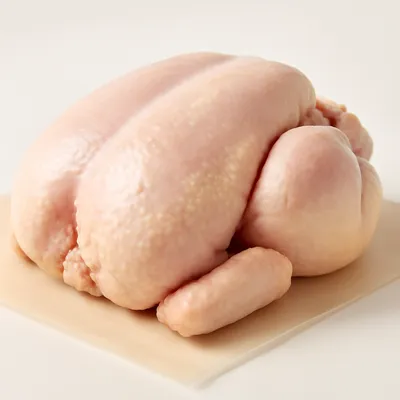











How it's made
12 steps · 35 min active + 55 min waiting
- 113 min
Brown chicken: cut 1 whole chicken (1.3 kg) into 8 pieces (or use 1 kg bone-in beef chuck cubes). Season with 1 tsp salt + ½ tsp pepper. Heat 4 tbsp vegetable oil in a heavy pot over medium-high. Brown chicken 6 min per side. Lift to a plate.
- 211 min
Reduce heat. Sauté 2 large chopped onions in the remaining oil 10 min until deeply golden — this caramelization is critical for color.
Watch outTake the onions all the way to deep golden-brown, not just soft — this caramelization is what colors the whole rice; stop early and the jollof stays pale and flat.
- 33 min
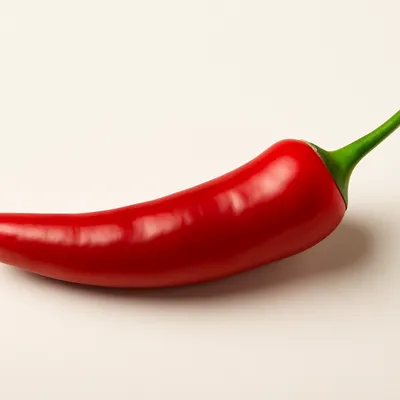
Add 5 chopped garlic + 2 tbsp grated ginger + 2 chopped scotch bonnets. Cook 2 min.
- 47 min
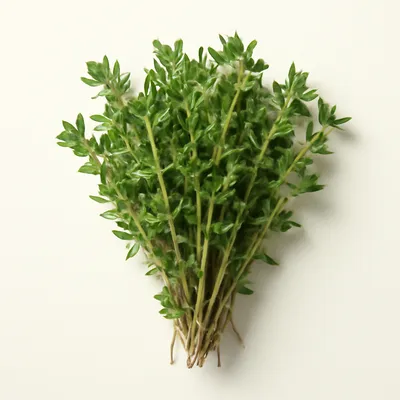
Stir in 5 tbsp tomato paste + 1 tbsp paprika + 1 tbsp curry powder + 1 tsp dried thyme + 2 bay leaves + 2 bouillon cubes crumbled. Cook 6 min until paste darkens to rust-brown — Maillard browning is key.
Watch outFry the tomato paste until it darkens to rust and smells sweet instead of sharp — that toasted depth is the soul of the sauce.
- 57 min
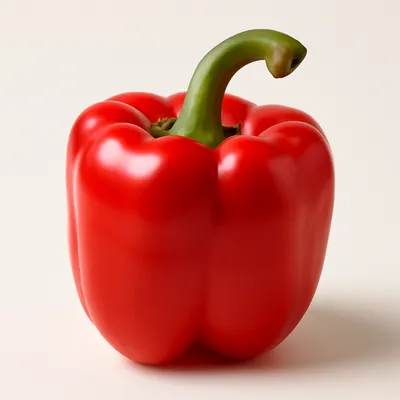
Add 2 chopped tomatoes + 1 chopped red bell pepper. Stir; cook 6 min.
- 632 min
Add 1.5 L hot water (or chicken broth). Bring to gentle simmer. Return chicken to pot. Cover; simmer 30 min until chicken is tender.
- 74 min
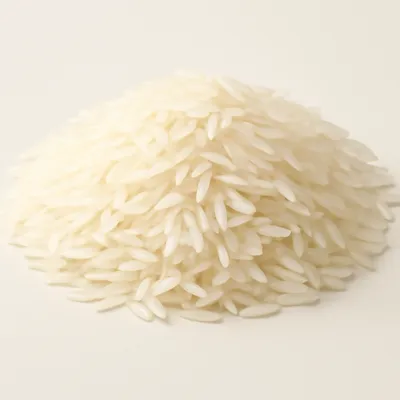
Rinse 500 g long-grain rice (basmati or parboiled) in cold water until water runs clear. Drain.
- 84 min
Add the rinsed rice to the pot. Stir gently. Liquid should just barely cover the rice (add 200 ml hot water if needed).
- 927 min
Cover tightly. Reduce heat to lowest. Cook 25-28 min undisturbed.
Watch outKeep the lid on and the heat at its lowest — every peek lets steam escape and leaves the rice hard in the middle.
- 1011 min
Off heat, rest covered 10 min. The bottom layer should be slightly browned and crispy — the Malian version of the prized 'kanji' or 'paf' crust.
Watch outAfter the rest, the bottom layer should be lightly browned and crisp — that prized crust means the heat was right; a burnt-bitter smell means it was too high.
- 115 min
Gently lift portions onto serving plates. Garnish with 3 tbsp chopped fresh parsley.
- 123 min
Serve hot with a side of fried plantain (alloko-style) and a small bowl of yassa onion sauce or pîment.


