
Kedjenou
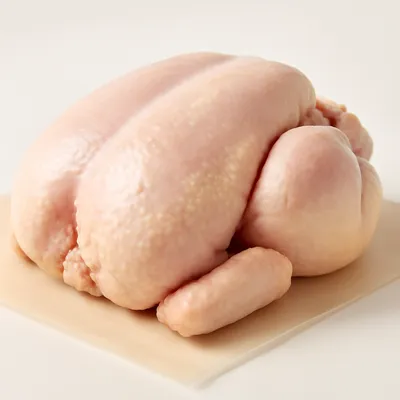
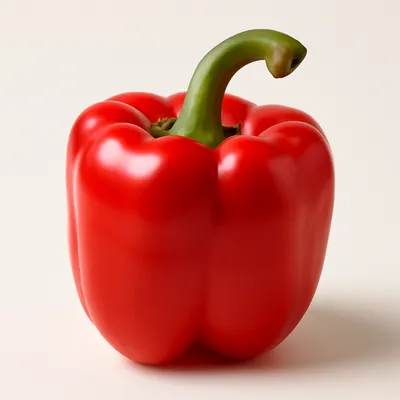
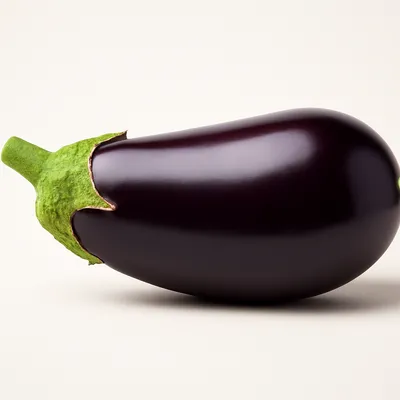
“Bone-in chicken pieces, eggplant, bell pepper, tomato, ginger, garlic, and onion sealed inside a tight-lidded clay pot (canari) and slow-cooked over low heat without any added water — the chicken cooks entirely in its own juices and the released vegetable liquid. The Baoulé people's signature dish; served with attiéké or rice. Distinctly smoky-rich from the trapped-steam cooking.”



Where it comes from
Kedjenou (also kpètoutou) is the iconic dish of the Baoulé people of central Côte d'Ivoire — the slow-sealed clay-pot cooking method is uniquely theirs. Traditional kedjenou is cooked in a small clay pot called a canari (or kpa) covered with a lid sealed shut with a banana-leaf paste — the seal traps every drop of moisture during the slow cook. The dish doesn't develop until the pot has cooked at least 45 minutes; opening it earlier breaks the steam-cooking effect.
On the plate
Fork brings up chicken that has surrendered to the slow steam — the bone slips out cleanly, the meat is moist and infused with the herb-and-vegetable broth. Eggplant has melted; peppers are silky-soft; tomato has dissolved. The broth alone tastes intensely of chicken-and-vegetable, concentrated by the sealed pot. Each spoonful of attiéké catches the broth like a sponge. The smell that fills the kitchen when you break the seal is unforgettable.
How it works
Sealed-pot steam cooking is the structural heart — without the airtight seal (bread paste, foil, or tight lid + weight), moisture escapes and the dish becomes oven-roasted rather than steam-braised. Vegetables release water naturally during heating; that water + the marinade becomes the cooking medium. Long low heat (60+ min) breaks down chicken collagen and vegetable cell walls completely; faster cooking leaves the dish less integrated.
Variations
Kedjenou de pintade (guinea fowl) is the original Baoulé celebration version — gamier and more intense than chicken. Vegetarian kedjenou uses tofu or large white beans. Modern Abidjan-restaurant kedjenou uses Dutch ovens (foil-sealed) for convenience but loses the canari aroma. Some interior-Forest variants add okra for thickening.
On the Palate
Ingredients
Serves 4






How it's made
10 steps · Show ↓25 min active · 55 min waiting
How it's made
10 steps · Show ↓- 15 min
Cut 1 whole chicken (1.3-1.5 kg) into 8 pieces bone-in. Pat dry.
- 235 min
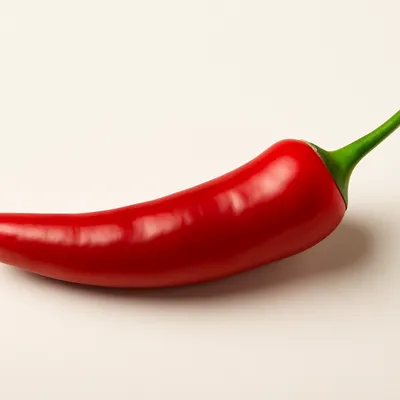
Marinade: in a bowl, combine 2 tbsp grated ginger, 4 minced garlic cloves, 1 chopped scotch bonnet (or to taste), 1 tsp salt, ½ tsp black pepper, 1 tsp bouillon powder, 1 bay leaf, 4 tbsp vegetable oil, juice of 1 lemon. Rub onto chicken pieces; rest 30 min.
- 38 min
Cut vegetables: 1 large onion into thick wedges, 1 green bell pepper into 2-cm pieces, 1 red bell pepper into 2-cm pieces, 2 medium tomatoes into wedges, 1 small eggplant into 3-cm chunks.
- 45 min
Layer in a heavy clay pot (or Dutch oven if no clay pot): start with onion-pepper layer, then chicken pieces with marinade poured over, then tomato and eggplant on top.
- 51 min
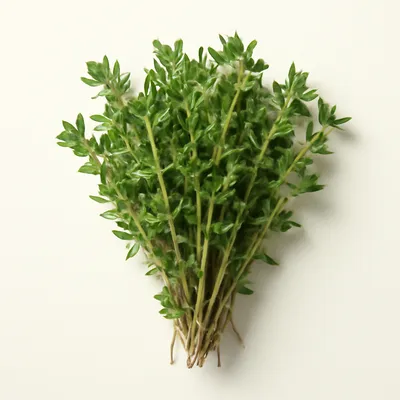
Add 4 fresh thyme sprigs + 4 bay leaves on top. Do NOT add any water — the vegetables will release moisture.
- 63 min
Cover with a tight-fitting lid. For traditional sealing: paste a strip of bread dough (or wet flour-water paste) around the lid edge to seal completely.
- 765 min
Cook over the LOWEST possible heat (or in a 150°C oven) for 60-75 minutes. Do not open the pot during this time — the steam is the cooking medium.
- 85 min
After 60 min, carefully break the seal and open. The chicken should be fork-tender, the vegetables surrendering, and a thick aromatic broth at the bottom (about 200 ml).
- 92 min
Stir gently. Taste; adjust salt. Optional: a few drops of lemon juice or a pinch more bouillon.
- 104 min
Serve hot from the pot, alongside steamed attiéké or rice. The trapped-steam broth is the prize — diners spoon it over their starch.


