
Ripe plantains sliced thick and deep-fried in vegetable oil until both sides are caramelized golden-mahogany, then often topped with a raw onion-tomato-chili sauce called pîment or eaten plain. The Ivorian street-food snack and side-dish — sold from every corner stall in Abidjan, eaten with grilled fish or beef, or alone with a beer.
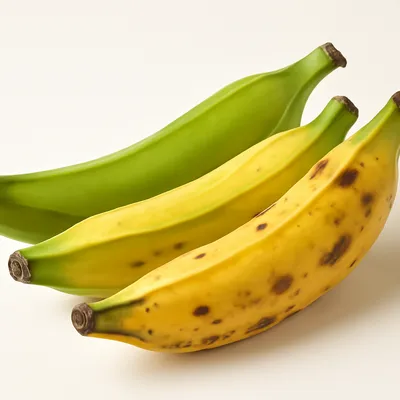


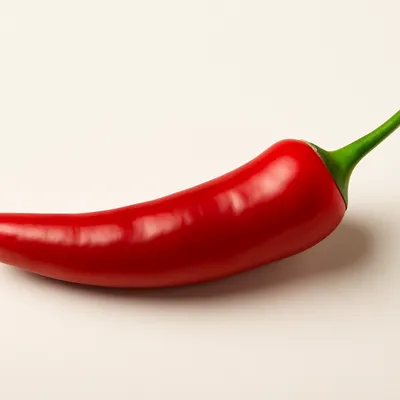

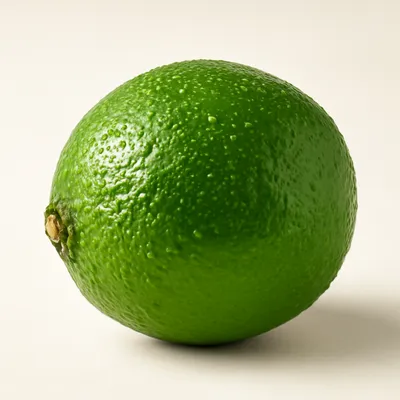
Aloko (also alloco) is the universal Ivorian and broader West African street snack — sold at every street corner from Abidjan to Bouaké. The dish uses extremely ripe plantains (yellow with heavy black spotting) for maximum natural sugar caramelization. The optional pîment topping adds the fiery raw chili common across West Africa. Aloko is West Africa's answer to fries, but sweeter from the ripe plantain.
Bite into a hot slice — outside is dark-caramelized with the natural plantain sugars forming a thin candy-like crust; inside is custard-soft and intensely sweet. Optional pîment sauce on the side hits with raw garlic, scotch bonnet, and lime — providing the necessary contrast to the sweet plantain. The combination of hot-caramelized-sweet plantain and cold-raw-spicy sauce is the West African aloko experience.
Very-ripe plantains have converted starch to sugar (90%+), enabling the deep caramelization. Less-ripe plantains stay starchy and don't develop sweetness. The 175°C oil is optimal — hotter causes too-fast surface burning before interior cooks; cooler results in oil-soaked plantain. Salt while hot sticks better; salt while cool just slides off. The fresh chili-tomato-lime topping balances the sweetness; without it, aloko is one-note.
Variations
Aloko with grilled chicken on the side is the classic Ivorian lunch combination. Aloko with smoked fish (kedjenou-style) for a savory complete meal. Sweet-version aloko sprinkles a touch of brown sugar before serving — children's variant. Some Abidjan-restaurant versions serve aloko-and-attiéké together as the country's two staples on one plate.
On the Palate
Where Aloko sits in the Ivorian flavor cloud
Use extremely ripe (near-black) plantains and hold the oil at 175°C — that combination is what turns the fruit's sugars into a deep caramelized crust instead of a starchy or oil-soaked slice.
Ingredients
Serves 4

How it's made
10 steps · 20 min active + 10 min waiting
- 15 min
Choose 4 extremely ripe plantains (yellow with heavy black spots — almost-black is best). Peel by scoring lengthwise (3 cuts) then peeling sideways.
- 24 min
Slice diagonally into 1.5-cm thick oval slices. The diagonal cut maximizes surface area for caramelization.
- 35 min
Pîment sauce (optional but classic): in a small bowl, combine 1 finely diced fresh tomato, ½ finely diced red onion, 1 finely chopped fresh chili (scotch bonnet or habanero), 2 tbsp chopped fresh parsley or cilantro, juice of 1 lime, 2 tbsp vegetable oil, ¼ tsp salt. Rest 10 min.
- 44 min
Heat 3-4 cm vegetable oil (peanut oil is traditional) in a wide heavy skillet or wok to 175°C. Test with one plantain slice — it should sizzle immediately and start browning within 30 seconds.
Watch outThe oil is ready when a test slice sizzles instantly and browns within 30 seconds — too quiet means it's too cool.
- 51 min
Add plantain slices in a single layer — don't overcrowd. Work in 2-3 batches.
- 64 min
Fry 3-4 min on the first side until deeply golden-brown and caramelized. Flip with a slotted spoon.
Watch outLeave the first side undisturbed until it's deep golden-brown and caramelized before flipping.
- 73 min
Fry 2-3 min on the second side until that side is also caramelized.
- 82 min
Lift onto paper towels to drain. Sprinkle very lightly with salt (about ⅛ tsp per batch) while still hot.
Watch outSalt the instant they drain, while hot and glossy with oil — that's when it sticks.
- 96 min
Continue with remaining plantains.
- 102 min
Serve hot, piled on a plate with the pîment sauce in a small bowl alongside for dipping. Or eat plain. Aloko is best within 10 min of frying — they soften as they cool.


