
Mixed root vegetables (yam, cassava, sweet potato, green plantain) and fish or smoked meat boiled in a single pot with onion, garlic, and a few spices, then drained and served with a simple palm-oil-and-onion sauce poured over. The Ivorian one-pot rural dish — affordable, nourishing, eaten daily across the forest belt.
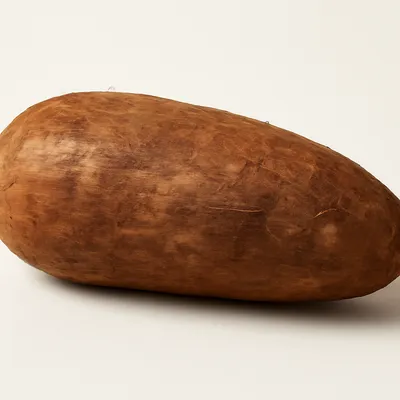
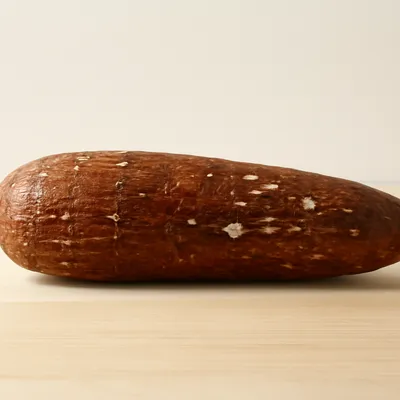
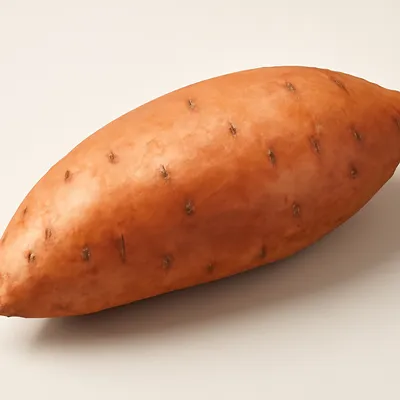
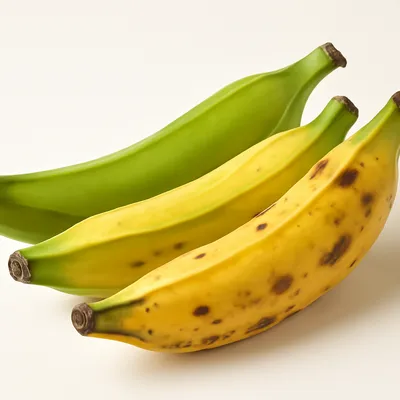


Akpessi (also akpèssi) is a traditional Ivorian dish from the Baoulé people of central Côte d'Ivoire. In Baoulé the word 'akpessi' specifically names the mash of fresh green pepper and yellow (African) eggplant that defines the dish — not the boiled-vegetable base itself. Boiled or steamed root vegetables (yam, cassava, sweet potato, green plantain) are served with this eggplant-and-pepper paste, flaked smoked fish (often herring), braised meat, and red palm oil. Eaten in villages at breakfast or lunch, and served at Baoulé generational celebrations. The cheap, nourishing one-pot dish of the forest belt.
Fork brings up a soft chunk of yam, a piece of caramel-sweet plantain, a wedge of sweet potato — all coated with the orange-red palm-oil-and-onion sauce. Each root vegetable retains its identity but the palm-oil glaze ties everything together. A bite of smoked fish flakes provides protein-and-smoke depth. The dish is unfussy, deeply nourishing, and feels honest — Ivorian-rural cooking at its truest.
Cooking all root vegetables together in seasoned water lets them all flavor each other; cooking separately would result in flavor isolation. Soaking cassava prevents enzymatic browning that turns the flesh dark. Palm-oil sauce on top (rather than cooking the vegetables IN palm oil) preserves the natural flavors of the root vegetables while adding the characteristic West African orange-red color and fruity-fat aroma.
Variations
Akpessi with crab is the coastal-Abidjan luxury version. Pure-yam akpessi uses only yam — simpler and lighter. Vegetarian akpessi skips the smoked fish/meat and adds extra eggs. Modern restaurants serve akpessi as a tasting plate with multiple sauces on the side.
On the Palate
Where Akpessi sits in the Ivorian flavor cloud
Ingredients
Serves 4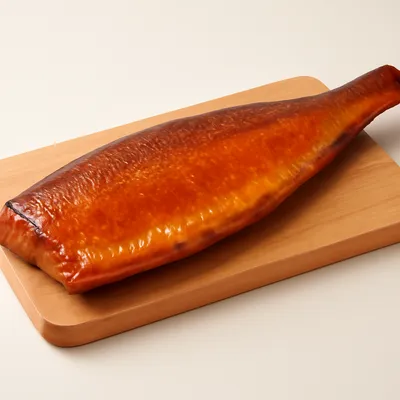







How it's made
10 steps · 25 min active + 35 min waiting
- 110 min
Peel and chop into 4-cm chunks: 1 medium yam (about 500 g), 200 g cassava, 1 sweet potato, 2 green plantains. Soak the cassava in cold water until ready to use to prevent discoloration.
Watch outKeep the cut cassava under cold water until it goes in the pot — left in air, the exposed flesh greys and darkens fast.
- 25 min
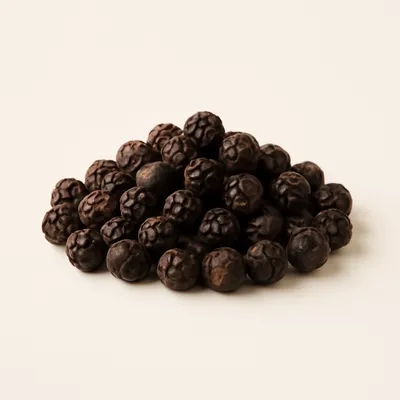
Place all the chopped root vegetables in a large pot. Cover with cold water (about 2 L). Add 1 chopped onion + 4 garlic cloves + 1 bay leaf + 1 tsp salt + ½ tsp black pepper + 1 bouillon cube.
- 328 min
Bring to boil; reduce to gentle simmer. Cook 25-30 min until all vegetables are fork-tender but not falling apart.
Watch outPull the roots when a fork slides in cleanly but the chunks still hold their shape; a few minutes past that and they collapse into mush.
- 48 min
Optional protein: in the last 10 min, add 300 g smoked fish (or chunks of cooked smoked meat or boiled eggs). Heat through.
- 53 min
Drain the cooked vegetables, reserving 200 ml of cooking water. Place vegetables and any protein on a serving platter.
- 66 min
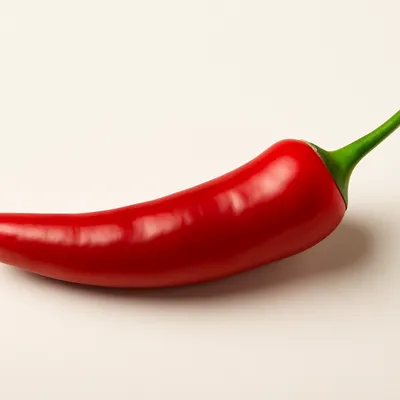
Palm-oil sauce: in a small skillet, heat 4 tbsp red palm oil over medium. Add 1 finely chopped red onion; cook 4 min until softened. Add 1 chopped scotch bonnet + 2 chopped garlic; cook 1 min.
- 75 min
Stir in 2 tbsp tomato paste + 100 ml reserved cooking water + ½ tsp salt + ¼ tsp ground ginger. Simmer 4 min until thickened.
Watch outSimmer the palm-oil sauce until it turns glossy and thick enough to coat a spoon; watery sauce just slides off the roots instead of clinging.
- 81 min
Off heat, stir in 2 tbsp chopped fresh parsley.
- 91 min
Pour the palm-oil sauce over the boiled vegetables on the platter. Mix gently with a fork.
- 103 min
Serve immediately with extra hot sauce on the side. Akpessi is meant to be eaten warm — once cooled, the root vegetables become starchy and pasty.


