Smoked Fish
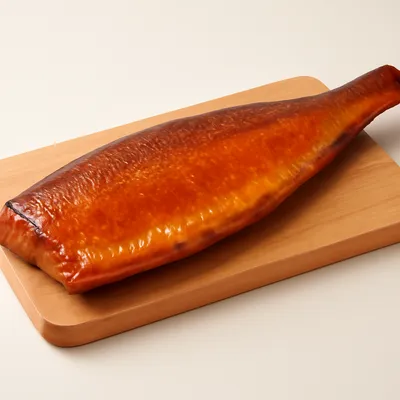
Smoked fish carries a robust, savory aroma with a deep, complex flavor profile that ranges from sweet to intensely smoky. Its velvety texture and rich taste create a delightful contrast in any dish.
Where it comes from
The art of smoking fish dates back centuries, primarily practiced by indigenous peoples and coastal communities to preserve catch and enhance flavor. It’s an integral part of cuisines like Scandinavian and Native American.
In the kitchen
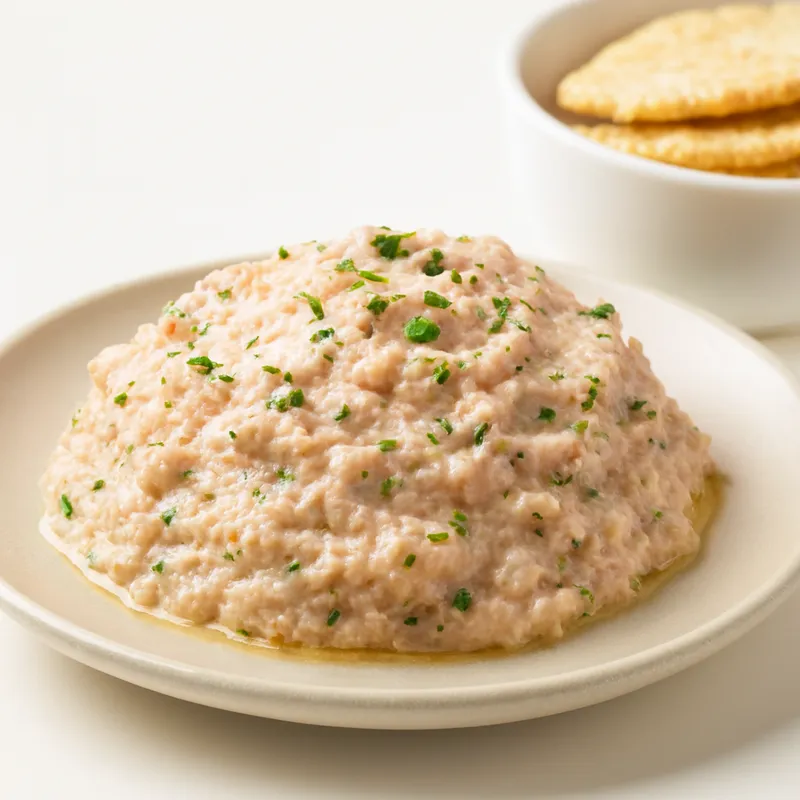
Smoked fish serves as a versatile ingredient, enhancing everything from bagels and cream cheese to pasta dishes. Its bold flavor can stand alone or be a key player in dips and spreads.
Across cuisines
Smoked fish (usually mackerel or catfish, smoked dry to ambient stability) is the second Nigerian soup-deepener — flaked into egusi, ogbono, and pepper soup for the dried-smoke-and-marine umami punch. The dried-smoked tradition predates refrigeration; modern Nigerians still buy smoked fish at the market by the bag.
Smoked fish — the universal Congolese rural-and-urban protein in pondu, liboke, fumbwa stews. Wood-smoked tilapia or catfish.
Smoked fish — the universal Cameroonian protein-and-aroma in ndolé, eru, mbongo'o tchobi. Wood-smoked tilapia or catfish.
Nutrition (per 100g)
AI-estimated; model and run unavailable.