
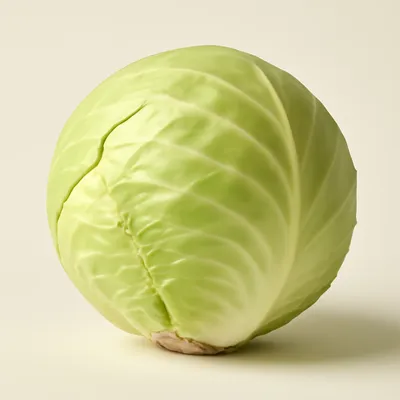
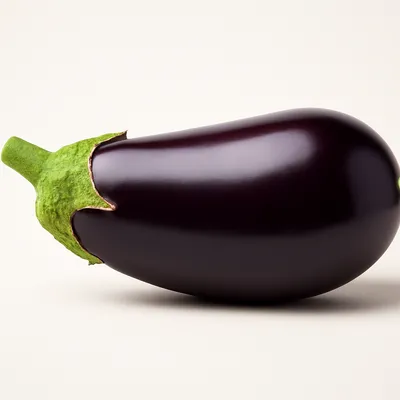
Long-grain rice cooked in a tomato-and-onion stock with chunks of beef (or chicken), carrot, cabbage, and eggplant — the West African jollof-rice variant adopted by Ivorian cooking from Senegalese tradition. Distinctive deep-red color from tomato paste and palm oil; smoky char on the bottom layer (the prized 'xoon' crust).
Tchep (also called tcheb-u-jen, ceebu jën, or tchébou) originated as Senegalese ceebu jen — Senegal's national dish, widely claimed as the original West African jollof. In Wolof its name is literal: ceeb ('rice') + jën ('fish'). It is traditionally traced to the 19th-century Atlantic fishing port of Saint-Louis (capital of French colonial Senegal, 1673–1902), and credited to the legendary cook Penda Mbaye (c.1904–1984), who reputedly substituted broken rice (riz brisé, introduced by French merchants via Vietnam) for scarce barley. The dish's cooking art was inscribed on UNESCO's Intangible Cultural Heritage list in 2021. 'Jollof' itself takes its name from the Jolof Empire of the Senegambia (14th–19th c.). Ivorian tchep is the country's adaptation — slightly less fish, more meat-and-vegetable focus, heavy use of palm oil for color, and bouillon-cube seasoning rather than fresh fish stock. The combination of rice cooked in a flavored broth is so universal across West Africa that multiple countries (Nigeria, Ghana, Senegal, Côte d'Ivoire) all claim the original.
Fork brings up red-orange jollof rice with tender beef chunks, soft carrot, cabbage, and eggplant — the rice is plump with absorbed broth, the meat has surrendered to the long cook. A scrape of the xoon crust from the bottom of the pot adds the bonus texture: dark-roasted crispy rice (Wolof xoon, 'the chef's reward') that's the most-fought-over portion. Tomato sweetness, paprika warmth, bouillon-savory depth, palm-oil fruity-fat richness — the West African Sunday-lunch rice in all its layered complexity.
Cooking tomato paste until it darkens (4 min) is essential — this Maillard/caramelization (in Wolof, frying the base is itself called xoon) develops the deep umami flavor that distinguishes great tchep from mediocre. Rinsing rice removes surface starch, preventing the dish from going gluey. The covered cook + 10-min rest is critical for steam-cooking the rice. Drizzling red palm oil at the end (rather than during cooking) creates the surface glaze without sinking entirely; rich in carotenoids (beta-carotene), it lends the deep red-orange, but cooked-in palm oil would tint everything while losing its distinct fruity character.
Variations
Chicken tchep (tchep au poulet) is the weeknight version. Fish tchep (tchep au poisson) uses chunks of grouper or capitaine (Nile perch) — closer to Senegalese ceebu jen. Vegetarian tchep replaces meat with eggplant + sweet potato + extra spice. Ghanaian jollof rice and Nigerian jollof are close relatives — the cross-border jollof rivalry is real and unresolved.
On the Palate
Where Tchep sits in the Ivorian flavor cloud
Ingredients
Serves 6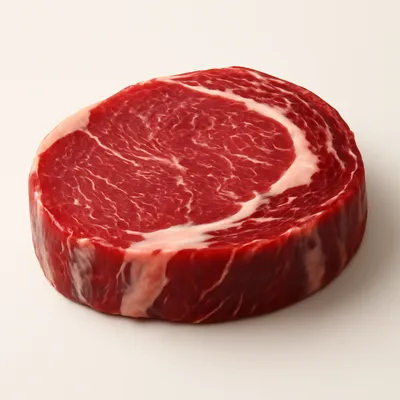












How it's made
12 steps · 40 min active + 50 min waiting
- 112 min
Brown the meat: cut 500 g beef chuck (or chicken) into 4-cm chunks. Pat dry; season with 1 tsp salt + ½ tsp pepper. Heat 3 tbsp vegetable oil in a heavy pot over medium-high. Brown meat 6 min per batch.
- 29 min
Aromatics: add 1 large chopped onion to the pot. Cook 8 min until soft and golden. Add 5 chopped garlic + 2 tbsp grated ginger + 1 chopped scotch bonnet. Cook 1 min.
- 35 min
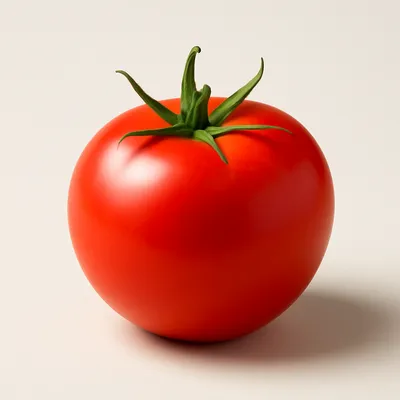
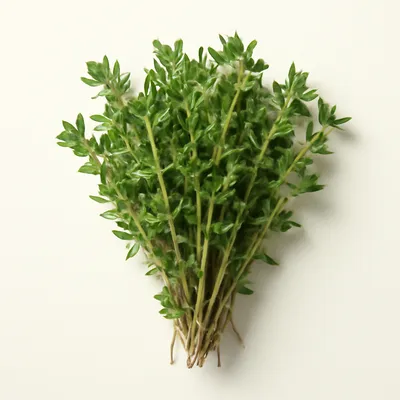
Tomato base: stir in 4 tbsp tomato paste + 1 tsp paprika + 1 tsp thyme + 1 bay leaf + 1 bouillon cube crumbled. Cook 4 min until the paste darkens to a rust-brown — this is critical for the deep color.
Watch outFry the tomato paste until it darkens to a rust-brown and smells deep, not sharp — this is where the whole dish's color and savor are built; stop before it scorches.
- 432 min
Add 800 ml hot water + 1 chopped tomato. Bring to gentle simmer. Add the browned meat back. Simmer 30 min until meat is tender.
- 513 min
Add vegetables: 2 carrots chopped into 3-cm pieces + ¼ small cabbage chopped + 1 small eggplant cubed. Simmer 12 min.
- 64 min
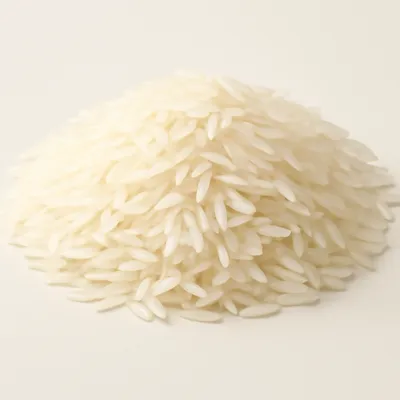
Rice: rinse 500 g long-grain rice (basmati or jasmine) until water runs mostly clear. Drain.
- 74 min
Add the rinsed rice to the pot. Stir gently to combine with the meat and vegetables. Liquid should just barely cover the rice (add 200 ml hot water if needed).
- 826 min
Cover tightly with a tight-fitting lid. Reduce heat to lowest. Cook 25-28 min undisturbed.
Watch outThe liquid should sit just at the rice line, no deeper — too much and the bottom goes to mush instead of crust.
- 91 min
Toward the end, drizzle 3 tbsp red palm oil over the surface. Don't stir — it sinks down on its own creating the orange-red glaze.
Watch outDrizzle the palm oil over the top and leave it — stirring muddies the whole pot; let it sink on its own into that orange-red glaze.
- 1011 min
Off heat, rest covered 10 min. The bottom layer should be slightly browned-and-crisp — the 'kanji' crust that's the prize.
Watch outRest it covered off the heat — lift a corner and the bottom layer should be browned and crisp; that kanji crust is the prize everyone fights for.
- 115 min
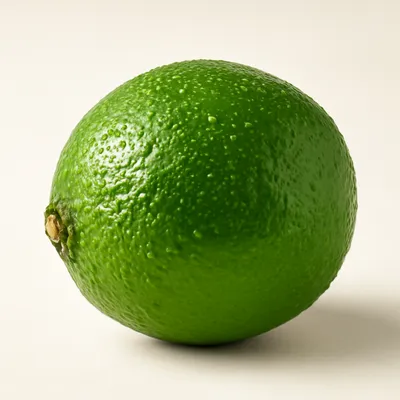
Gently lift portions onto serving plates, scraping some of the crispy bottom layer onto each plate. Garnish with 3 tbsp chopped parsley and lime wedges.
- 123 min
Serve hot. Each diner gets meat + vegetables + rice + a piece of the crispy bottom (the kanji is fought over).


