
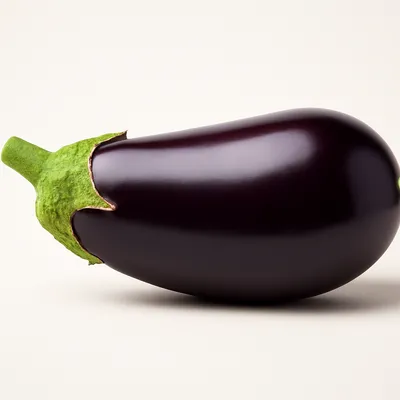
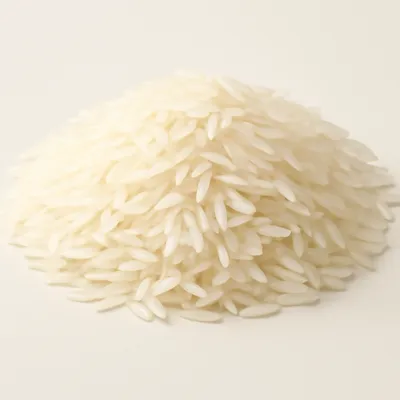
A thick okra-and-palm-oil-and-smoked-fish stew with beef chunks, eggplant, and Saharan spices — the soup of the Mande peoples eaten with rice or tô. The viscous slimy texture (from okra) is the desired result; West African cooking embraces this 'drawing' or 'glirah' quality that Western palates often find unfamiliar.
Soupou kandia (also called soup kanja or sauce gombo) is shared across Senegal, Mali, Guinea, and Côte d'Ivoire's northern interior — wherever okra grows abundantly and is consumed as a thickening vegetable. The viscous-slimy texture is the dish's defining characteristic, valued in West African food culture for both its mouth-feel and its perceived health benefits. Mande peoples of Mali (Bambara, Soninke, Malinke) make this weekly; the dish is the comfort-food of the Sahel rural household.
Spoon brings up a thick, viscous-glossy stew with chunks of beef, soft eggplant, melted smoked fish, and slippery okra pieces. The texture is the dish — slimy in the most appetizing way possible, the okra's natural mucilage clinging to everything. The red palm oil glazes the surface; tomato sweetness balances the deep umami of smoked fish. With tô or rice underneath, soupou kandia is the Sahel-Mali comfort food that's unmistakable. Western diners need to embrace the texture or they'll never love it.
Okra contains mucilage (a polysaccharide gel) that releases when sliced and heated — this is what creates the dish's viscous quality. Cooking okra long enough (10+ min) releases all the mucilage; cooking too short leaves the okra crunchy and not thickening properly. Smoked fish dissolves into the sauce during the long simmer, providing umami depth without bulk. Red palm oil added late doesn't get incorporated fully — it stays on top creating the orange-red surface glaze.
Variations
Lamb soupou kandia substitutes lamb shoulder — Eid version. Vegetarian soupou kandia omits beef and smoked fish, doubles the okra and adds mushrooms — modern Bamako urban version. Senegalese soupou kandia is similar but uses palm oil more generously. Mali and Sahel cooks also thicken sauces with sun-dried, powdered baobab leaf — called 'lalo' in Mali — whose mucilaginous polysaccharides give a draw similar to okra's, especially when okra is scarce in the dry season.
On the Palate
Where Soupou Kandia sits in the Malian flavor cloud
Ingredients
Serves 6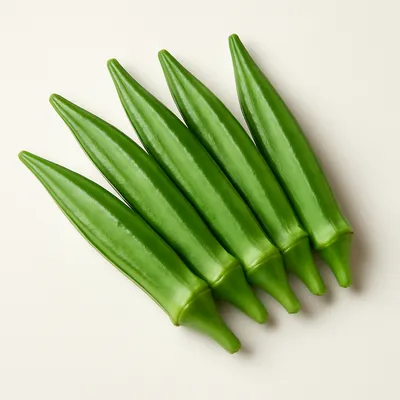












How it's made
9 steps · 30 min active + 1 hour 10 min waiting
- 110 min
Prep okra: wash and trim 500 g fresh okra (or substitute frozen okra, thawed). Slice into 5-mm rounds. Some Sahel cooks pound the okra in a mortar to maximize the slimy thickening; modern home cooks slice thin.
Watch outSlice the okra thin and even; the more cut surface you expose, the more mucilage escapes into the sauce.
- 211 min
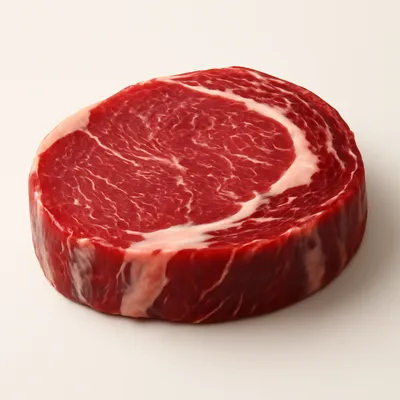
Brown beef: cube 600 g beef chuck into 4-cm pieces. Pat dry; season with 1 tsp salt + ½ tsp pepper. Heat 3 tbsp vegetable oil in a heavy pot over medium-high. Brown beef 5 min per batch. Lift to a plate.
- 311 min
Aromatics: add 2 chopped onions to the pot; cook 8 min until soft. Add 4 chopped garlic + 2 tbsp grated ginger + 2 scotch bonnets chopped. Cook 2 min.
- 45 min
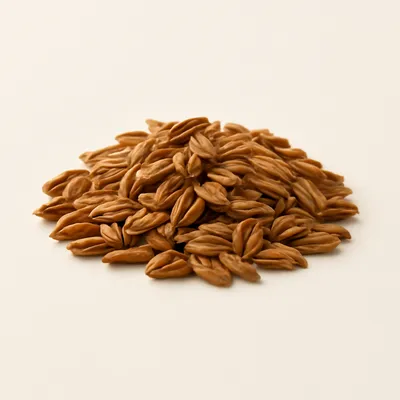
Stir in 3 tbsp tomato paste + 1 tsp cumin + 1 tsp coriander + 1 tsp paprika + 1 bay leaf + 1 bouillon cube. Cook 4 min.
- 54 min
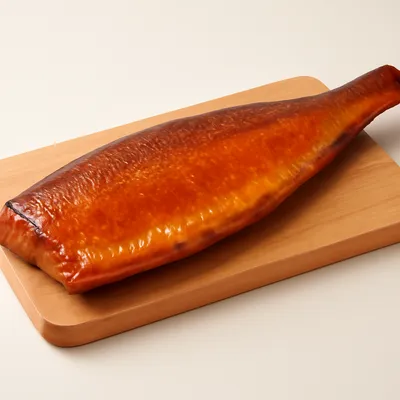
Add 800 ml hot water + 1 chopped tomato + 200 g smoked tilapia or smoked herring (flaked, bones removed). Bring to gentle simmer.
Watch outFlake the smoked fish and pick out bones as it goes in; it should melt into the broth over the long simmer, not sit in chunks.
- 652 min
Return beef to pot. Cover; simmer 50 min until beef is fork-tender.
- 718 min
Add the sliced okra + 1 small eggplant cubed + 2 tbsp red palm oil. Stir gently — the okra immediately starts releasing its mucilage. Simmer uncovered 15 min — the sauce will thicken noticeably as the okra releases its viscous compounds.
Watch outOnce the okra goes in, watch the sauce visibly thicken and turn glossy over 15 minutes — that shift is your doneness signal.
- 83 min
Final: stir in 3 tbsp chopped fresh parsley. Adjust salt.
- 95 min
Serve hot over white rice or with tô (millet porridge). The slimy texture is the point — embrace it. Diners scoop the slippery okra-laden stew with chunks of bread or tô.


