
Slow-simmered Malian peanut-and-black-eyed-pea stew with smoked fish, sweet potato, and a few Saharan-influenced spices — a hearty vegetarian-friendly main that combines the Bambara peanut tradition with West African legume cultivation. Distinct from mafé in being protein-from-beans rather than meat. Served over rice or tô.
Tigadégué (also tigadege na, tigadège, or domodah-na-banga) is a Bambara word referring to peanut sauce — but the dish made with black-eyed peas (cowpeas) as the protein is a specific Malian rural tradition. Black-eyed peas are West Africa's most-cultivated legume (cowpea, Vigna unguiculata, is native to the region). The combination of peanut sauce + cowpeas + sweet potato + smoked fish creates a complete-protein vegetarian-friendly meal that has fed Sahel populations for centuries. Dogon and Bambara villages cook this weekly; restaurants in Bamako and Mopti serve fancy versions.
Spoon brings up plump black-eyed peas and orange sweet-potato chunks in a thick golden-brown peanut sauce; the smoked fish has melted into the gravy adding umami depth. Each bite has the peanut nuttiness, the smoky fish notes, the sweet-potato sweetness, the scotch-bonnet warmth. With rice or tô underneath, tigadégué is a vegetarian-friendly West African comfort meal that's both nourishing and intensely flavored — the kind of dish that gets better as it sits.
Soaking cowpeas overnight reduces cooking time and improves digestibility. Smoked fish dissolves into the peanut sauce during the simmer, providing umami without the bulk of a meat — the trick that makes vegetarian-friendly West African dishes still feel substantial. Reserving cowpea cooking water and using it in the peanut sauce mix is another flavor concentration trick — the legume's natural starches and proteins enrich the sauce.
Variations
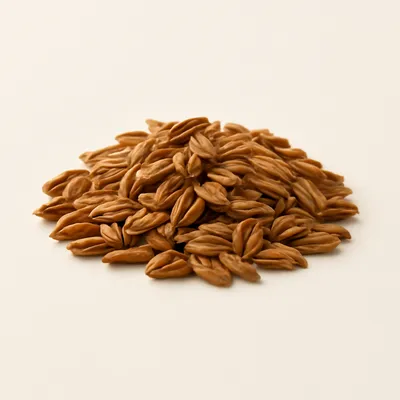
Vegan tigadégué omits the smoked fish but adds extra spice and a splash of soy sauce for umami depth. Lamb tigadégué adds 400 g cubed lamb shoulder, browned first — the celebration version. Modern Bamako bistros serve tigadégué as a starter portion. Dogon mountain villages add fonio grain (an heirloom Mali grain) for additional texture.
On the Palate
Where Tigadégué sits in the Malian flavor cloud
Ingredients
Serves 6

















How it's made
11 steps · 30 min active + 1 hour 30 min waiting
- 155 min
Pre-cook black-eyed peas: soak 300 g dried black-eyed peas (cowpeas) overnight in cold water. Drain. Simmer in fresh water with a pinch of salt and a bay leaf 45-60 min until tender. Drain. Reserve 200 ml cooking water.
- 29 min
Heat 4 tbsp vegetable oil in a heavy pot over medium-high. Add 2 large chopped onions; cook 8 min until soft and golden.
Watch outCook the onions patiently until soft and golden, not just translucent — this sweet base carries the whole stew.
- 33 min
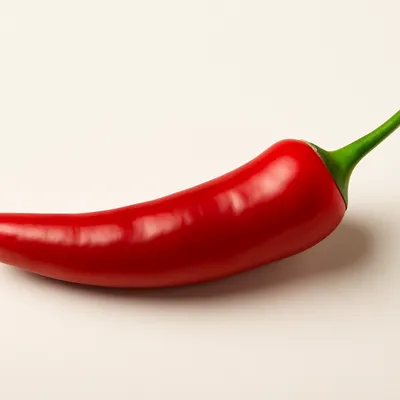
Add 4 chopped garlic cloves + 2 tbsp grated ginger + 2 chopped scotch bonnets. Cook 2 min.
- 45 min
Stir in 3 tbsp tomato paste + 1 tsp ground cumin + 1 tsp ground coriander + 1 tsp paprika + 1 bay leaf + 1 bouillon cube crumbled. Cook 4 min.
- 54 min
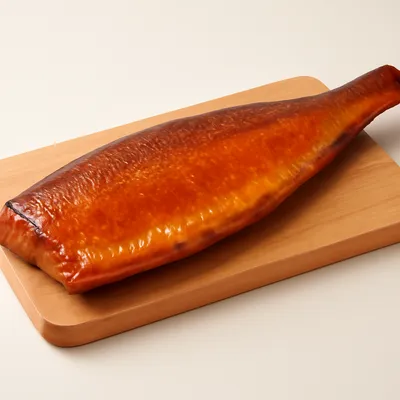
Add 1 chopped tomato + 600 ml hot water + 200 g smoked tilapia (or smoked herring, flaked and bones removed). Bring to gentle simmer.
- 64 min
Peanut sauce: in a separate bowl, whisk 200 g natural peanut butter into 300 ml hot water + the reserved cowpea cooking water until smooth.
- 717 min
Pour the peanut sauce into the pot. Stir; simmer 15 min over low heat — the sauce should thicken.
Watch outAfter the sauce goes in, it should barely bubble and slowly thicken; if it's spitting, drop the heat.
- 827 min
Add the cooked black-eyed peas + 1 large sweet potato cubed 3 cm. Simmer 25 min until sweet potato is tender and the sauce is thick.
Watch outThe sweet potato is done when a knife slides in with no resistance and the sauce coats the back of a spoon.
- 91 min
Optional finish: drizzle 2 tbsp red palm oil over for color (Malian tradition).
- 103 min
Stir in 3 tbsp chopped fresh parsley + 1 tbsp lemon juice. Adjust salt.
- 114 min
Serve hot over rice or millet tô. Tigadégué is even better the next day — flavors meld and deepen overnight.


