
Beef or chicken slow-stewed in a thick reddish-brown sauce of toasted pumpkin seeds, sesame seeds, dried guajillo and pasilla chiles, tomatillo, tomato, cinnamon, allspice, cloves, and toasted tortilla — every component dry-toasted separately on a comal before being ground together to a paste. The most-decorated Guatemalan dish and the country's intangible cultural heritage.
Pepián's roots are pre-Columbian Mayan — the technique of toasting seeds and chiles on a comal stone and grinding them on a metate goes back at least 1500 years. The Spanish brought beef, onion, and the slow-cook stew format; the Mayan base survived and adapted. Each region claims its variation: Chimaltenango pepián is the recognized origin, but Antigua and Quetzaltenango versions all have devotees. Designated Guatemalan intangible cultural heritage in 2007; served at every formal banquet and family Sunday lunch.
Spoon brings up a thick mahogany-brown sauce coating tender shreds of meat — the texture is unmistakable, more like a refried bean than a stew. Layers reveal in sequence: toasted-seed nuttiness first, then deep chile fruit (not heat — guajillo and pasilla are mild), then the cinnamon-allspice-clove backbone, then a faint tomatillo brightness at the back. With white rice and a tortilla wrap, it's centuries of Mayan-Spanish synthesis in one bite.
Dry-toasting each ingredient separately is the technical heart: pumpkin seeds release nuttiness, chiles develop sweetness, tortilla turns smoky, spices bloom — all in different temperature windows that would burn or under-develop if combined. Frying the paste before adding broth is the Mexican-Guatemalan 'sofrito-the-puree' technique that locks in toasted flavors and breaks the paste's water bonds, giving the sauce its smooth velvet body. Tortilla is the unique thickener — Mayan-rooted, distinguishing pepián from Mexican mole.
Variations
Pepián de Indio (indigenous-style) uses turkey instead of beef and excludes Spanish-introduced cinnamon and cloves. Pepián Rojo emphasizes guajillo for brighter color; Pepián Negro uses chilcoste chile for darker. Antigua-style adds chopped cilantro at the end. Vegetarian version uses güisquil (chayote) and root vegetables.
On the Palate
Where Pepián sits in the Guatemalan flavor cloud
Ingredients
Serves 6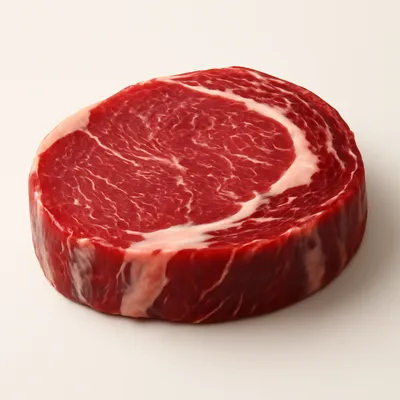


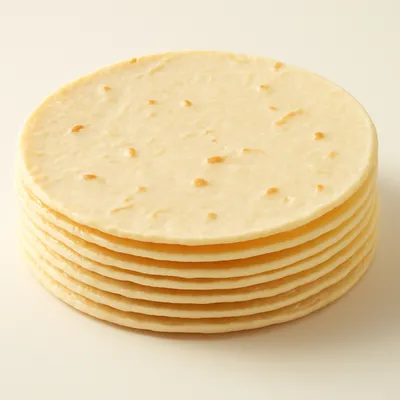
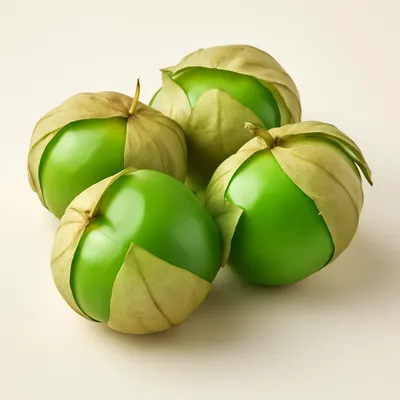
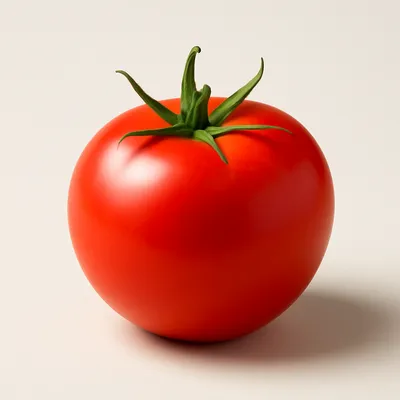






How it's made
8 steps · 1 hour 20 min active + 1 hour 40 min waiting
- 195 min
Brown 1 kg beef chuck (or 1 whole chicken cut into 8 pieces) in 2 tbsp oil in a large pot. Add 2 L water, 1 quartered onion, 4 garlic, 2 bay leaves, 1 tsp salt. Simmer covered 90 min until tender. Reserve broth.
- 238 min
Comal-toast (cast-iron skillet, dry, medium heat) each ingredient separately, watching closely: 80 g pumpkin seeds (4 min, stir), 40 g sesame seeds (3 min), 6 dried guajillo chiles (stemmed, seeded, 2 min per side until pliable), 4 dried pasilla chiles (same), 1 tortilla broken into pieces (3 min), 8 tomatillos (husked, 6 min until charred), 4 plum tomatoes (8 min until charred). Cool everything 5 min.
Watch outPull each item the instant it smells toasted—pumpkin seeds pop and smell nutty, chiles go fragrant and pliable, tomatoes char in spots.
- 316 min
Soak chiles in hot water 15 min until soft. Drain.
- 44 min
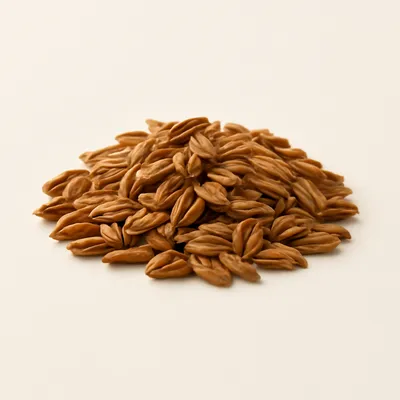
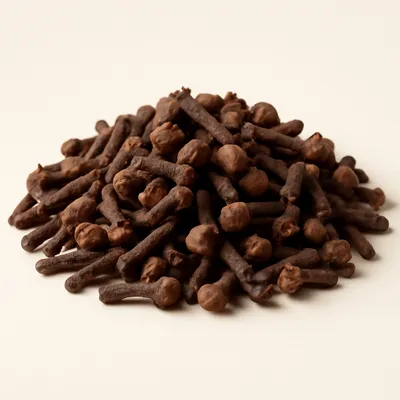
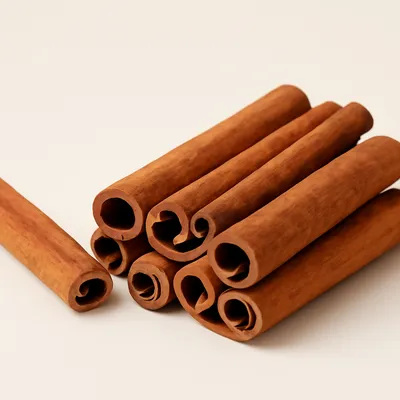
Toast 1 tsp cumin seeds, 1 tsp allspice berries, 4 cloves, 1 small cinnamon stick in dry comal 1 min until fragrant. Grind to powder.
- 514 min
Blend in batches in food processor or blender: pumpkin seeds + sesame + chiles + tortilla + tomatillos + tomatoes + ground spices + 4 raw garlic + 1 small onion + 2 cups reserved broth. Blend to a thick smooth paste. Add more broth if needed.
- 68 min
Heat 3 tbsp lard in the cleaned meat pot over medium-high. Strain the pepián paste through a sieve into the pot (push solids through). Stir constantly 6 min as it bubbles and deepens in color.
Watch outFry the strained paste until it bubbles thickly and deepens in color, about 6 minutes.
- 732 min
Add the cooked meat and 800 ml reserved broth. Simmer gently 30 min, stirring occasionally, until the sauce thickens to coat a spoon. Adjust salt.
Watch outSimmer until the sauce thickens enough to coat the back of a spoon.
- 85 min
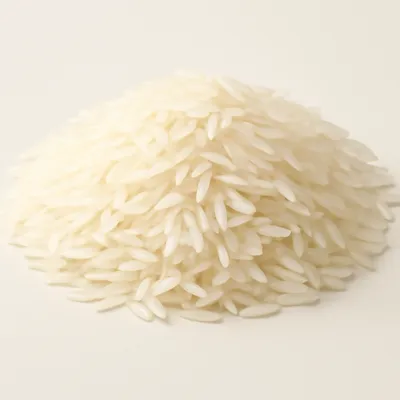
Serve over white rice with corn tortillas, a few green beans or potato chunks added if traditional family-style. Garnish with toasted sesame.


