


Malian
Tô millet porridge with okra sauce, tigadégué peanut stew with smoked fish, Niger-River fish grilled whole, attiéké brought up from the coast — Mali is the Sahel-Sudan grain belt, where Bambara farmers and Songhai fishermen feed a desert-edge cuisine.
Tigadégué
Bambara peanut-and-smoked-fish stew, the Malian heart of the West African peanut-sauce family — earthier and more rustic than Senegalese mafé.
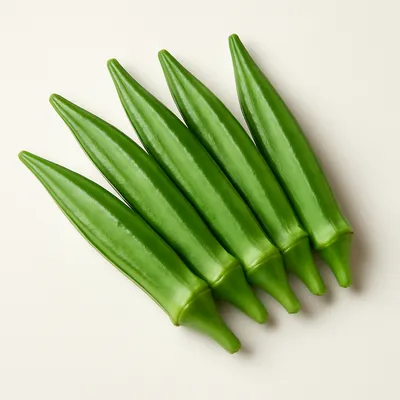
View page →Malian cooking is the cuisine of the Sahel — the semi-arid grain belt between the Sahara and the West African forest. Bambara, Songhai, Tuareg, Fulani and Dogon peoples all eat from this Sahel pantry: millet and sorghum (the staples turned into tô porridge), peanuts (the universal sauce base, tigadégué), rice (along the Niger River), okra (dried and ground into stews), and shea butter. Niger-River fish (capitaine = Nile perch) are the protein of Bamako and Mopti; smoked fish flavors most stews. Mali shares the West African peanut-sauce family with Senegal (mafé) and Côte d'Ivoire (sauce arachide), but Malian tigadégué is earthier and more rustic — smoked-fish-driven rather than tomato-driven. The Bambara heartland eats tô-and-sauce; the Niger River corridor eats rice-and-fish; the Tuareg north eats wassa-wassa (yam-flour couscous). Mali has no coastline, no palm oil — the cuisine is grain-and-river, not sea-and-coast.
The Palate
Start Here
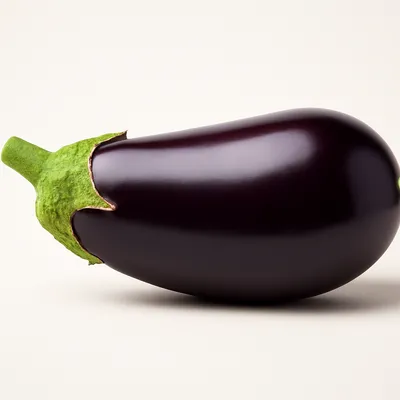
Bambara peanut-and-smoked-fish stew with cowpeas, eggplant, and dried hibiscus — the rustic Malian heart of the West African peanut-sauce family.
Why start here · Tigadégué is the Malian peanut sauce stripped of Senegalese refinement — smoked-fish-driven, less tomato, more grain. Eat it over tô or rice to taste the Sahel pantry working at full strength.
Bambara millet-or-sorghum porridge boiled until firm — Mali's universal staple grain, eaten with sauce by hand-pinching pieces.
Why start here · Tô is the Malian plate-anchor — every sauce makes sense alongside it. Pair with tigadégué or okra sauce to taste the Bambara everyday meal.
Niger-River Nile-perch grilled whole with lemon-garlic-ginger-pepper marinade — the Bamako-Mopti riverside catch served with rice or attiéké.
Why start here · Capitaine à la Bambara is Mali's premier-meal: a 2-kilo river fish marinated for hours, then grilled over wood until the skin chars and the flesh stays pearly. The cuisine of the Niger River in one dish.
Okra-and-palm-oil-and-smoked-fish stew over rice — slippery viscous sauce, the Wolof-Bambara Sahel river food rich in glutamate and smoke.
Why start here · Soupou kandia teaches what okra can do as a thickener and flavor — slippery green sauce, smoked-fish funk, palm-oil red. Eat it over rice the way Bamako market traders do.
The Pantry



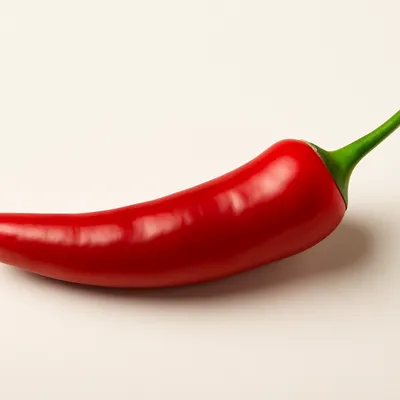


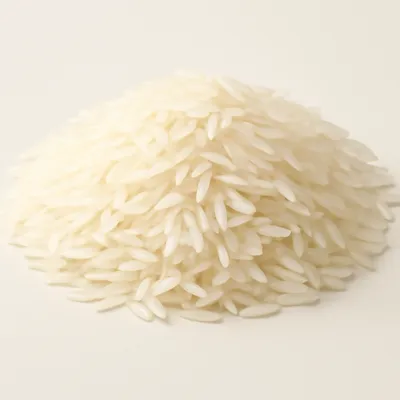

See all 45 ingredients›
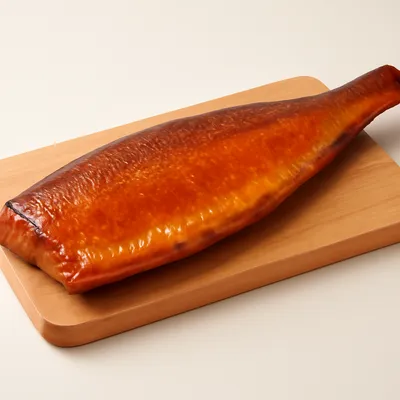



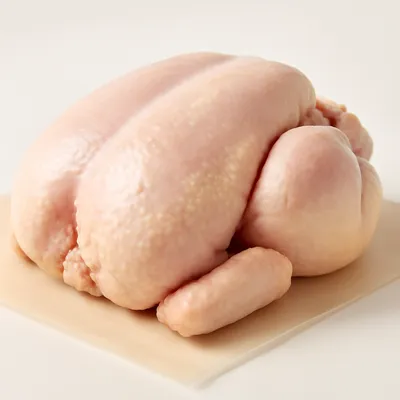







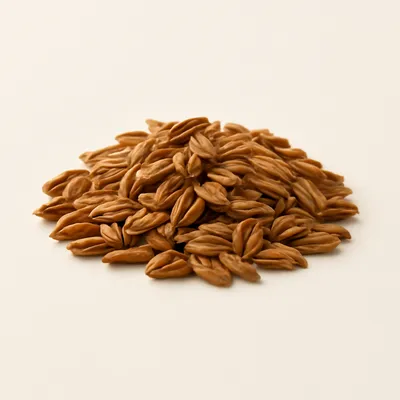
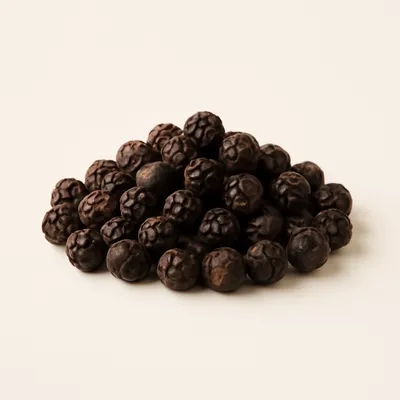
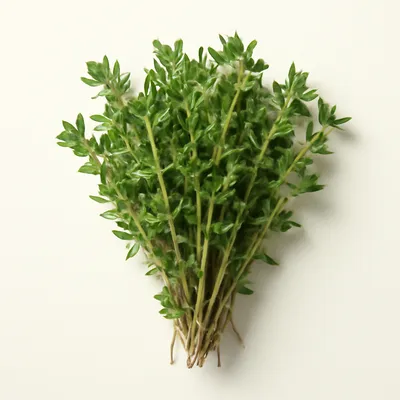
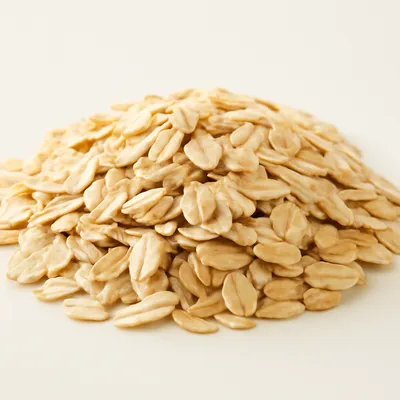



Dairy & Fats



Sauces & Condiments


On the Map
Where this cuisine is found
Regional Styles
Bamako & Niger River Corridor
Capital and Niger River banks from Bamako to Mopti — riverside fish cuisine, capitaine grilled whole, rice paddy alongside the river. Mali's most active culinary city.
Bambara Heartland (Ségou-Sikasso)
Southern Bambara agricultural heartland — millet and sorghum fields, peanut farms, the tô-and-tigadégué tradition. The cooking that defines Malian everyday food.
Sahel North (Timbuktu-Gao)
Northern Sahel and Sahara-edge — Tuareg, Songhai and Fulani peoples. Yam-flour wassa-wassa couscous, drier cooking, less fish, more grain-and-meat.
Bamako Cafés & Street
Urban Bamako kiosks and street stalls — sweet beignet malien with kinkeliba tea or condensed-milk café au lait, the city's morning rhythm.
How They Cook
Techniques that define this cuisine


