
Whole capitaine (Nile perch from the Niger River) marinated in a paste of ginger, garlic, scotch bonnet, lemon, and parsley, grilled over hardwood charcoal until the skin is crackling and flesh is just-cooked-tender. Served with attiéké or rice, sliced lemon, and a raw onion-tomato salad — the Niger-River-fishermen's lunch and Bamako's grilled-fish specialty.
Capitaine (Nile perch, Lates niloticus) is the Niger River's largest freshwater fish — Bamako's fish markets sell fresh-caught capitaine daily from fishermen on the river. The Bambara people of the river-bend region have grilled whole capitaine over charcoal for centuries; the fish's mild firm flesh holds up well to the high heat. The dish is the upper-class Bamako restaurant signature and the casual riverside food of fishermen.
Tear flakes of fish from the bone — the skin is crackling-crisp and charred; the flesh is just-opaque, juicy, and infused with the ginger-garlic-chili marinade that penetrated through the cuts. Niger-River capitaine has a distinctly clean, mineral-sweet flavor — much more delicate than oily Atlantic fish. With attiéké below catching the juices and tomato-onion salsa on top providing acidic-fresh contrast, the dish is West African grilled-fish at its peak. The combination of charcoal smoke and lake-clean fish is unique to West African inland river cuisine.
Scoring the fish lets marinade penetrate beyond the surface; without scoring, the seasoning stays only on the skin. Direct-charcoal grilling creates the smoky-charred crust via wood-smoke compounds — gas grills can't replicate this. Patting fish slightly to remove excess marinade prevents flare-ups during the grill. The skin's crackling-crisp finish is structural — it protects the flesh during high-heat exposure while developing its own delicious texture.
Variations
Tilapia substitute (more accessible globally) works well; less mineral flavor than capitaine. Smoked-spice-rub version omits the wet marinade, uses dry-rub instead — modernist Bamako-restaurant adaptation. Filet-only version uses capitaine fillets for diners who don't want to deal with bones. Restaurant-luxury version serves a whole 2 kg fish for a table of 4-6.
On the Palate
Where Capitaine à la Bambara sits in the Malian flavor cloud
Score the fish deep on both sides and grind the marinade right into the cuts — flavor only reaches the flesh through those slashes, otherwise it sits on the skin and washes off.
Ingredients
Serves 4







How it's made
11 steps · 30 min active + 30 min waiting
- 110 min
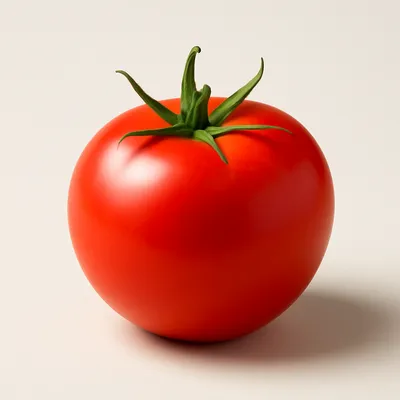
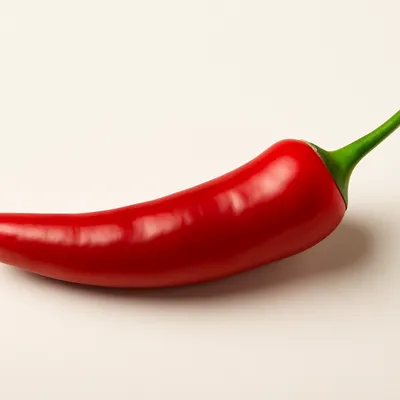
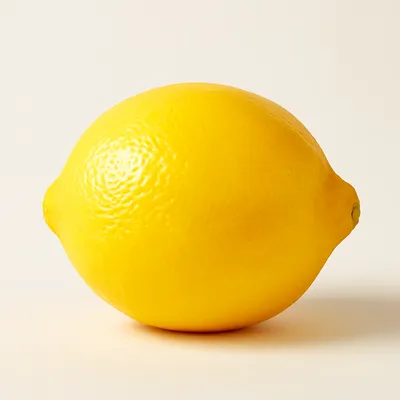
Marinade: in a mortar or food processor, pound or pulse 2 tbsp grated ginger + 6 garlic cloves + 1 scotch bonnet (deseeded for less heat) + ½ bunch fresh parsley + juice of 2 lemons + 4 tbsp vegetable oil + 1 tsp paprika + 1 tsp salt + ½ tsp black pepper into a coarse paste.
Watch outPound to a coarse, spoonable paste — you want flecks of ginger and chili still visible, not a smooth purée.
- 25 min
Prep fish: 2 whole capitaine (or sea bass, sea bream, or any large firm-fleshed white fish, about 700-900 g each). Score on both sides with 3 diagonal cuts each. Rub marinade thoroughly into the cuts and the cavity.
- 331 min
Rest 30 min at room temperature (or refrigerate up to 4 hours).
- 46 min
Light hardwood charcoal grill to medium-hot. The grill should be moderate, not searing-hot.
- 512 min
Tomato-onion salad: dice 2 ripe tomatoes, ½ red onion, 1 fresh chili, 3 tbsp chopped fresh parsley. Toss with juice of 1 lemon, 2 tbsp vegetable oil, ¼ tsp salt. Rest 10 min.
- 63 min
Place fish on a grilling rack (fish basket recommended to prevent sticking). Brush rack with oil.
- 714 min
Grill 6 min on the first side. Carefully flip. Grill 6-8 min on the second side until internal temp reaches 60°C and skin is crackling-crisp with charred spots.
Watch outSkin crackling-crisp with a scatter of char spots and the flesh at the bone just opaque — around 60°C at the thickest part.
- 82 min
While grilling, baste with any remaining marinade.
- 92 min
Lift fish onto a serving platter. Squeeze fresh lemon over.
Watch outA last squeeze of lemon over the hot fish makes the skin steam and hiss — that's the moment to carry it to the table.
- 105 min
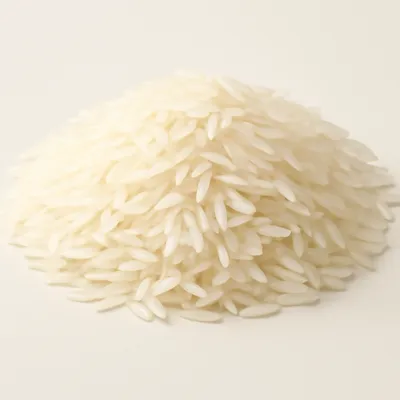
Plate per portion: a mound of warm attiéké or white rice, a half-fish (or one-quarter for smaller portions), a generous spoonful of tomato-onion salad, lemon wedges.
- 111 min
Serve immediately with extra bottled hot sauce on the side. Diners eat with hands, picking flakes of fish off the bone and scooping with the attiéké or rice.


