
Whole tilapia or sea bream marinated in a paste of ginger, garlic, scotch bonnet, parsley, and tomato; charcoal-grilled until skin is crisp-charred and flesh is just-cooked-through; served on a bed of steamed attiéké (fermented cassava semolina) with a generous spoon of onion-tomato salsa and fresh lime. The Ivorian beachside lunch served at every Abidjan grill stall.






Attiéké et poisson braisé is the most-iconic Ivorian street-food meal — sold from beach-side stalls at Abidjan's Vridi and Treichville neighborhoods, as well as inland grill spots. The combination of grilled fish, fermented cassava semolina, and raw vegetable salsa reflects three core Ivorian food traditions: open-flame grilling, fermented-staple starch (attiéké being unique to Côte d'Ivoire), and fresh tropical vegetable accompaniment. Eaten with hands; the smell of grilling fish defines Abidjan's coastal neighborhoods.
Tear into the fish — the skin is crackling-crisp and charred-spotted, the flesh just-opaque and juicy. The ginger-garlic-chili marinade has penetrated through the cuts and the cavity. Each forkful of flesh goes onto the attiéké below, where the fermented cassava grains absorb the fish juice and the grill char. Onion-tomato salsa adds raw vegetable brightness; lime cuts through. The Ivorian beach lunch — wood-smoke, lime-bright, fresh.
Direct-on-coals grilling creates the smoky-charred crust that defines the dish; gas grills can't replicate the wood-smoke compounds (guaiacols, syringols). Scoring the fish lets marinade penetrate to the bone, ensuring even seasoning throughout. Attiéké's natural acidity (from cassava fermentation) pairs structurally with the fatty grilled fish — the acid cuts the richness like a citrus would.
Variations
Grouper or red snapper substitute for tilapia in upscale Abidjan restaurants. Lake-fish version uses Niger River capitaine (Nile perch). Vegetarian-attiéké replaces fish with grilled vegetables or eggplant. Diaspora versions use canned attiéké and tilapia from a fishmonger. Sfax-style adds preserved lemon — North African crossover.
On the Palate
Where Attiéké et Poisson Braisé sits in the Ivorian flavor cloud
The whole dish hinges on scoring the fish deep and grilling it over real hardwood coals: cuts to the bone let the ginger-garlic-chili marinade season all the way through, and moderate wood-smoke heat gives the charred, smoky skin that defines it.
Ingredients
Serves 4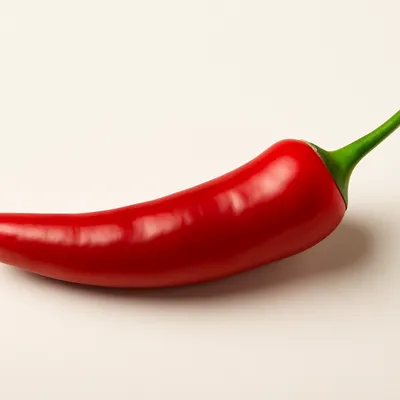




How it's made
10 steps · 50 min active + 1 hour 40 min waiting
- 110 min
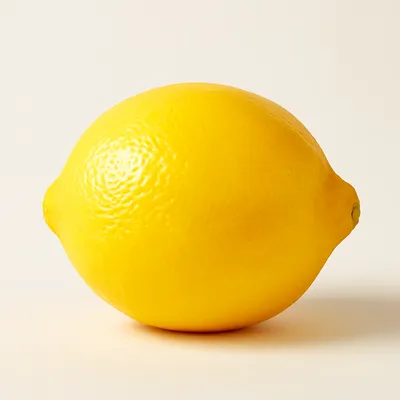
Marinade: in a mortar or food processor, pound or pulse 3 tbsp grated ginger, 6 garlic cloves, 1 scotch bonnet (or habanero, deseeded for less heat), ½ bunch fresh parsley, 1 tomato, juice of 1 lemon, 4 tbsp vegetable oil, 1 tsp salt, ½ tsp black pepper into a coarse paste.
- 295 min
Score 4 whole tilapia (or sea bream) on both sides with 3 diagonal cuts each. Rub the marinade thoroughly into the cuts and the cavity. Cover; refrigerate 90 min minimum.
Watch outScore to the bone and pack marinade into every cut and the belly; if the slits close up, they're too shallow.
- 312 min
Attiéké: place 400 g attiéké (commercial or freshly made) in a sieve over a pot of simmering water. Steam 8 min until heated through and fluffy. Fluff with a fork. Cover to keep warm.
- 412 min
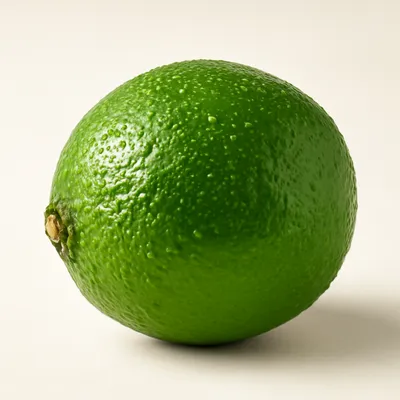
Tomato-onion salsa: dice 2 tomatoes (deseeded), 1 red onion, 1 fresh chili (small), 3 tbsp chopped parsley. Toss with juice of 1 lime, 2 tbsp vegetable oil, ¼ tsp salt. Rest 10 min.
- 58 min
Light hardwood charcoal grill to medium-hot. Grill should be moderate, not screaming-hot.
Watch outCoals ready when they glow steady with a light ash coat and your hand can hover a few seconds; flames-up is too hot.
- 64 min
Brush a grill basket or fish-shaped grilling rack with oil to prevent sticking. Place fish in the rack.
- 713 min
Grill fish 6 min on the first side. Carefully flip. Grill 5-7 min on the second side until internal temp reaches 60°C and skin is crackling-charred.
Watch outSkin should crackle and char in patches and the flesh flake at 60°C; don't move the fish until it releases cleanly.
- 83 min
While grilling, baste fish with remaining marinade.
- 95 min
Plate: mound warm attiéké on each plate. Place a whole grilled fish on top. Spoon tomato-onion salsa generously over both. Lime wedge alongside.
- 102 min
Serve immediately with extra hot sauce on the side. Diners eat with hands, picking flakes of fish off the bone and scooping with the attiéké.


