
Goat or beef chunks marinated in palm oil, garlic, ginger, scotch bonnet, and herbs, then wrapped tightly in banana leaves and grilled over hot coals 40-50 minutes until the meat is fork-tender and infused with both marinade and leaf aroma — the Lingala technique applied to meat. The leaves char outside but seal in moisture; the meat finishes melting-tender. Cousin to liboke ya malangwa (fish version). Served with chikwangue or rice.






Maboké is the Lingala name for the banana-leaf-wrapped meat preparation — the same family of dishes as liboke. While liboke ya malangwa is specifically fish, maboké refers to meat versions (goat, beef, chicken). The technique predates ovens and even iron pots: meat could be cooked perfectly tender just by wrapping it and burying it in coals or hot stones. Modern DRC continues to use the technique because it produces results that no pan can match. The dish is often weekend cooking — start the coals, wrap the maboké, let it cook slowly while the family gathers. Served from the leaves directly, no plate-fanciness.
Unwrap the packet at the table — steam pours out carrying palm-oil-marinade-citrus-fragrance and thyme. The meat is fork-tender, fall-apart from the slow steam; every piece is stained orange-red from palm oil and tomato. Onion rings are soft-sweet; tomato slices have melted. Bay leaves and thyme contribute herbal depth. The marinade's spiced kick is mellowed by the long cook. Each bite is intense and concentrated — the leaf wrapping has trapped everything inside. With chikwangue catching the residual sauce, the dish is complete.
Banana-leaf wrapping creates a sealed steam-braise environment — meat cooks in its marinade + own juices, trapping moisture and flavor. The fat (palm oil) acts as a heat-conductor and flavor-carrier, while the citrus (lemon) tenderizes via acid + enzyme action. Direct-coal cooking adds smoke (the outer leaf chars, contributing phenolic smoke compounds without burning the meat). Tough cuts like goat shoulder become fork-tender via collagen-to-gelatin conversion at 60-70°C — the slow 50-min cook ensures full conversion. The leaf wrap is structurally necessary; without it, the meat would dry out.
Variations
Chicken maboké uses bone-in chicken thighs — faster (40 min). Pork maboké (in Christian-majority DRC regions) uses pork shoulder. Bushmeat maboké uses antelope or porcupine — traditional countryside version. Festival maboké adds a layer of plantain slices around the meat — sweet contrast. Diaspora maboké uses parchment + foil — works but loses the banana-leaf aroma.
On the Palate
Where Maboké sits in the Congolese flavor cloud
Ingredients
Serves 4

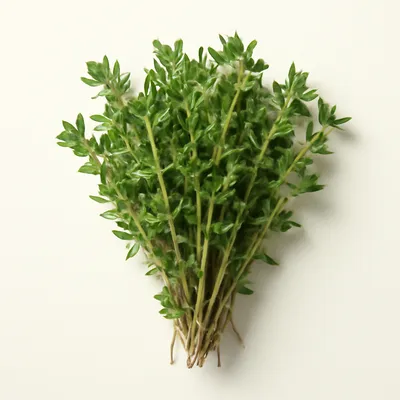
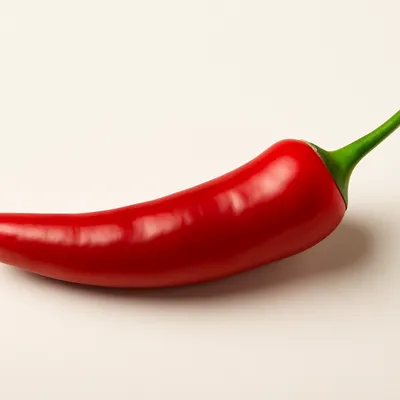


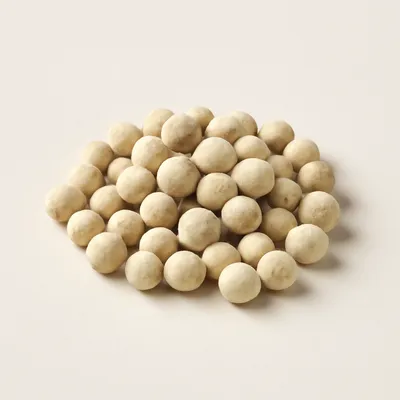
How it's made
12 steps · 35 min active + 55 min waiting
- 15 min
Prep meat: 600 g boneless goat shoulder or beef chuck, cut into 4-cm chunks. Pat dry.
- 262 min
Marinade: in a bowl, combine 6 minced garlic cloves, 3 tbsp grated ginger, 2 chopped scotch bonnets, 4 tbsp red palm oil, 2 tbsp tomato paste, 1 tsp salt, 1 tsp ground white pepper, 1 tsp ground coriander, 1 tsp paprika, juice of 2 lemons. Toss with meat. Rest 60 min.
Watch outMassage the marinade into the meat and let it rest a full hour — the lemon acid needs time to work in, or the tough cut won't turn tender.
- 36 min
Slice 1 large onion into thick rings; 2 tomatoes into thin slices; 1 chili into rings.
- 47 min
Prep banana leaves: 4 large squares (35 cm × 35 cm each), passed over open flame 5 seconds each.
Watch outPass each banana leaf over the flame just until it darkens and turns glossy and pliable — that's what lets you fold it without cracking.
- 58 min
Wrap: lay 2 banana leaves overlapping in a cross. Place 300 g of marinated meat in the center. Top with half the onion rings, tomato slices, chili rings, 4 fresh thyme sprigs, 4 bay leaves. Drizzle with remaining marinade.
- 64 min
Fold the banana leaves over to enclose; tuck the ends underneath. Tie tightly with kitchen string or banana-leaf strips.
- 73 min
Repeat for second packet. Two maboké parcels.
- 847 min
Cook on coals: place packets on medium-hot hardwood charcoal embers. Cook 25 min, flip carefully, cook 20 more min. The outer leaves will char heavily; this is correct.
Watch outLet the outer leaves char heavily on the coals — that black wrapping is shielding the meat and lending smoke; the meat inside stays juicy.
- 91 min
Or oven: place on baking tray. Bake at 200°C for 50 min.
- 101 min
Or stovetop simulation: place in heavy Dutch oven over LOWEST heat, covered. Cook 60 min, turning at 30 min.
- 1116 min
Test: open one corner; meat should be fork-tender. If still tough, cook 15 more min.
Watch outOpen a corner and probe — the meat should give and pull apart under a fork; if it still resists, wrap it back and give it more time.
- 1212 min
Rest 10 min wrapped. Serve at the table; unwrap in front of diners to release aromatic steam. Eat with chikwangue, rice, or boiled cassava.


