
Pounded fresh cassava leaves (saka saka) slow-simmered with palm oil, smoked fish, onion, garlic, and chili until the leaves are silky-soft and the sauce reduces to a deep-green glossy stew — the DRC's iconic everyday dish. The leaves must be pounded by hand or processed to break their tough cellulose. Eaten with chikwangue (fermented cassava bread), rice, or fufu. The Congolese household kitchen's signature green.


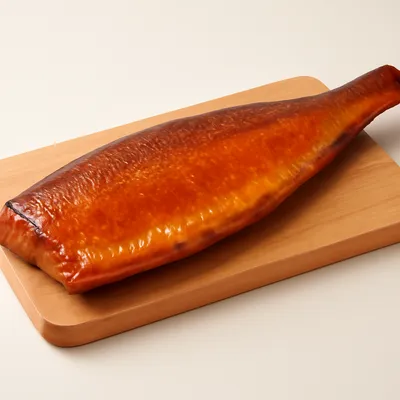



Pondu (also called saka saka) is the everyday green of the Democratic Republic of the Congo and the wider Lingala-speaking world. Cassava leaves are abundant — every cassava plant gives both root and greens — and pounding them by hand was a daily women's task in rural Congolese households. Mortar-and-pestle pounding is a 30-minute labor; modern food processors do it in 30 seconds. The dish itself is centuries old, predating colonial encounter. Pondu connects Congolese diaspora across the world — the smell of pondu cooking is a Lingala homecoming signal.
Spoon up dark-green pondu — the cassava leaves are silky, soft, almost-melted into a dense stew. Palm oil pools on top, fruity-orange. Smoked-fish flakes give wood-smoke depth throughout; crayfish powder adds the dried-shellfish umami. Each spoonful is dense, vegetal, slightly bitter-earthy (cassava-leaf signature), with the palm oil rich-coating the inside of the mouth. Heat builds slowly from the scotch bonnet. Eaten with chikwangue (sour-fermented), the contrast is bright.
Cassava leaves contain hydrocyanic glycosides that pre-boiling-and-draining mostly removes (residual amounts are safe). The baking-soda boil also breaks down chlorophyll-protein complexes and softens cellulose fiber. Pounding (or processing) ruptures cell walls so the leaves release their full color and flavor into the sauce. Long slow cooking is essential — short-cook pondu is fibrous and bitter; 60+ minute pondu is silky and balanced. Palm oil's lipid solubility helps extract fat-soluble flavor compounds from the leaves.
Variations
Peanut pondu adds 4 tbsp peanut butter — adds protein and richness. Beef pondu adds 200 g beef chunks at the base — heartier. Festival pondu adds prawns, crayfish, and dried fish for protein abundance. Vegetarian pondu omits smoked fish; adds extra peanut butter and tofu. Diaspora pondu uses frozen cassava leaves (available at African groceries) — close to authentic.
On the Palate
Where Pondu sits in the Congolese flavor cloud
Ingredients
Serves 6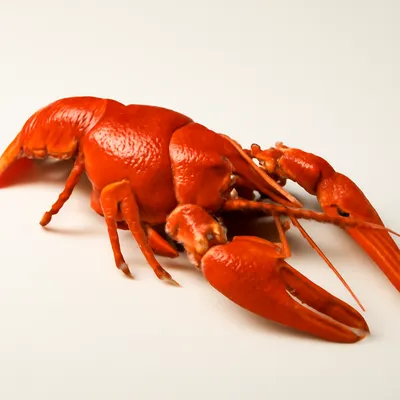


How it's made
12 steps · 50 min active + 2 hours 10 min waiting
- 110 min
Prep cassava leaves: 500 g fresh cassava leaves (or 200 g dried, soaked 1 hour). Wash thoroughly. Remove tough stems.
- 218 min
Pre-boil: in a large pot, cover leaves with water + 1 tsp baking soda. Boil 15 min to soften and reduce bitterness. Drain; rinse under cold water.
- 332 min
Pound or process: traditional method: pound leaves in a mortar with pestle 30 min until paste-like. Modern: pulse in food processor with 100 ml water until fine paste, about 2 minutes.
Watch outPound or pulse until it's a fine paste — you've ruptured enough cell walls when the color deepens and it stops looking leafy.
- 431 min
Soak smoked fish: 200 g smoked fish in warm water 30 min. Debone; flake.
- 58 min
Cook base: heat 4 tbsp red palm oil in heavy pot over medium. Add 2 chopped onions; cook 6 min until soft and translucent.
- 62 min
Add 4 minced garlic cloves, 2 tbsp grated ginger, 1 chopped scotch bonnet; cook 1 min.
- 71 min
Add the pounded cassava leaves. Stir to coat in palm-oil-onion base.
- 83 min
Add 600 ml water + smoked fish flakes + 1 tsp salt + 1 tsp bouillon powder + 1 tbsp dried ground crayfish.
- 967 min
Bring to a simmer; cover; cook 60 min on low, stirring every 15 min. Add water if drying out.
Watch outKeep it at a bare simmer, never a rolling boil, and add water whenever it threatens to dry out.
- 1016 min
Uncover; simmer 15 min to reduce sauce. The pondu should be a dense, glossy dark-green stew with palm oil pooling at the edges.
Watch outIt's ready when the stew is dense and dark-green with palm oil pooling at the edges.
- 112 min
Optional: stir in 2 tbsp peanut butter for extra richness (some regions do, some don't).
- 123 min
Taste; adjust salt. Serve hot over rice, with chikwangue alongside, or with boiled plantain.


