
Wild gnetum (fumbwa) forest leaves slow-stewed with palm oil, peanut butter, smoked fish, and onion until the leaves are tender and the sauce is glossy-rich — the DRC's Equator-forest signature green. The leaves are gathered from forest vines (Gnetum africanum); their distinctive vegetal-mineral flavor is unique to Central African cuisine. Eaten with chikwangue, rice, or fufu.



Fumbwa is the DRC's parallel to Cameroon's eru — same Gnetum africanum vine, similar preparation, but the Congolese version traditionally uses more peanut butter and less variety of meats. The fumbwa vine is climbing in the forests around the Congo Basin; Mongo, Tetela, and Kongo peoples have eaten it for centuries. The leaves must be shredded fine; whole leaves are too fibrous. Modern Kinshasa supermarkets sell dried fumbwa year-round; village fumbwa is fresher and more vivid. The dish is everyday food for forest-zone DRC villagers.
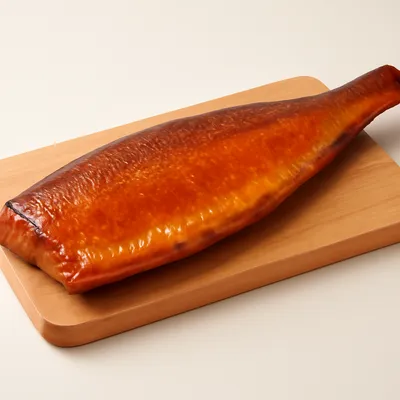
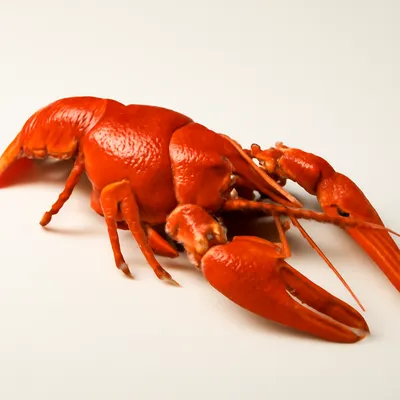
Spoon up dark-green fumbwa — silky-soft leaves coated in glossy palm-oil-and-peanut sauce. The leaves have a distinctive vegetal-mineral flavor, slightly grassy and forest-floor-earthy. Smoked-fish flakes give wood-smoke depth; peanut butter adds the rich-nutty backbone. Crayfish powder provides the dried-shellfish funk-umami. Each bite is dense and slow-eating — the leaves don't dissolve, they keep their shape, releasing flavor as you chew. With chikwangue, the sour-fermented bread plays against the rich green stew.
Gnetum africanum (fumbwa) leaves are unusually high in dry matter, fiber (28–37%) and protein (13–18%) — this gives the firm, meat-like, slow-cooking texture (consumers in the region treat eru as a meat substitute). The leaves' distinctive flavor comes from C-glycosylflavones (isoswertisin glycosides such as the xylosyl and rhamnosyl forms) plus tannins and saponins, compounds essentially unique to Gnetum that spinach or other greens can only approximate. Shredding the leaves fine and long simmering are needed to soften the tough, fibrous leaf and let the sauce penetrate. Peanut butter must be whisked with hot water first to prevent lumps; added too early it scorches and turns bitter, added too late it doesn't fully integrate.
Variations
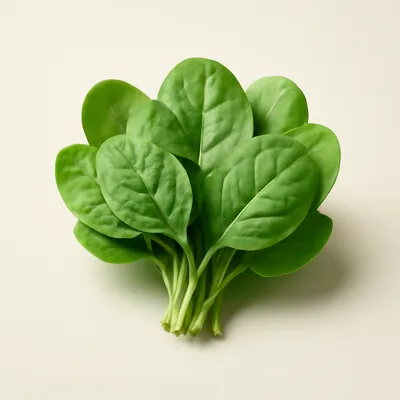
Beef fumbwa adds 200 g cubed stewing beef in step 4 — heartier, longer cook (add 30 min). Vegetarian fumbwa omits smoked fish and crayfish; uses 6 tbsp peanut butter and 1 tsp smoked paprika for smoke flavor. Diaspora fumbwa uses spinach + arugula + chard mixed — closest substitute. Festival fumbwa adds dried fish, smoked beef, and prawns — protein-rich celebration. Kasai-style fumbwa uses less peanut, more palm oil — drier-textured.
On the Palate
Where Fumbwa sits in the Congolese flavor cloud
Ingredients
Serves 6

How it's made
12 steps · 35 min active + 1 hour 5 min waiting
- 132 min
Soak dried fumbwa (or substitute young spinach + arugula mix to mimic): 200 g dried in warm water 30 min. Drain.
- 26 min
Shred fumbwa fine: stack and slice into 2-mm thin ribbons. Wash again; drain.
Watch outSlice the soaked leaves into fine 2-mm ribbons — the thinner you cut these tough fibrous leaves, the better they soften and drink up the sauce.
- 332 min
Soak smoked fish: 200 g smoked fish in warm water 30 min. Debone; flake.
- 48 min
Cook base: in a heavy pot, heat 3 tbsp red palm oil over medium. Add 2 chopped onions; cook 6 min until soft and lightly caramelized.
Watch outCook the onions in the palm oil until soft and lightly caramelized — this sweet base carries the whole stew, so don't pull them while still raw and sharp.
- 52 min
Add 4 minced garlic cloves, 1 tbsp grated ginger; cook 1 min.
- 64 min
Add smoked fish, 1 tbsp dried ground crayfish, 1 chopped scotch bonnet; cook 2 min.
- 74 min
Stir in 600 ml water + 1 tsp salt + 1 tsp bouillon powder + 1 bay leaf. Bring to a simmer.
- 847 min
Add prepared fumbwa. Stir to combine. Simmer covered 45 min on low, stirring every 10 min.
Watch outThe shredded leaves need the full covered simmer to turn tender — stir every ten minutes so the bottom doesn't scorch and the leaves cook evenly.
- 94 min
Make peanut blend: in a bowl, whisk 4 tbsp peanut butter with 100 ml hot water from the pot until smooth.
- 1016 min
Stir peanut blend into the pot. Continue simmering uncovered 15 min — sauce will thicken and turn glossy-deep-green.
Watch outWhisk the peanut butter smooth with hot pan liquid before it goes in, then simmer uncovered until the sauce thickens and turns glossy deep-green — added dry, the peanut oil splits out and beads on top.
- 111 min
Optional: drizzle 1 tbsp additional palm oil for color. Taste; adjust salt.
- 122 min
Serve hot in deep bowls with chikwangue, rice, or boiled plantain. Garnish with a few extra drops of palm oil for aesthetics.


