
Cameroon's national dish — boiled-and-washed bitter leaves slow-stewed with ground peanut paste, smoked fish, beef, dried crayfish, and shrimp, finished with palm oil. The bitter leaves are pre-blanched multiple times to remove pungency; the peanut paste thickens the sauce to coat the proteins. Served with miondo (fermented cassava sticks), boiled plantain, or rice. The dish of Douala that defines Cameroonian cuisine to the wider world.

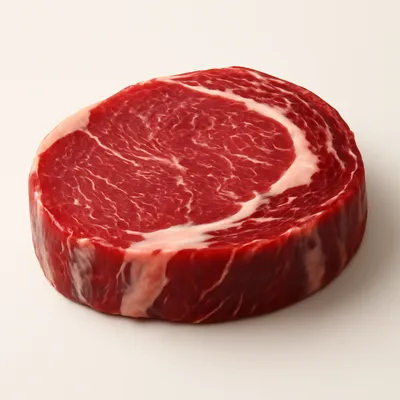
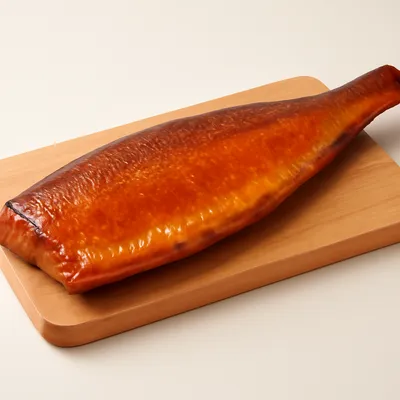

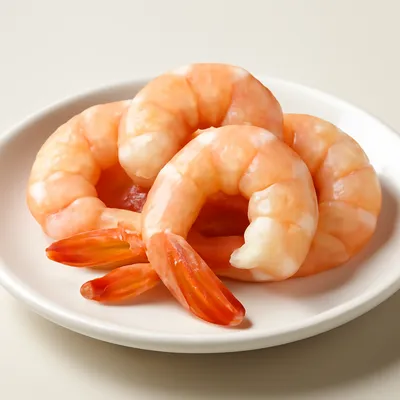
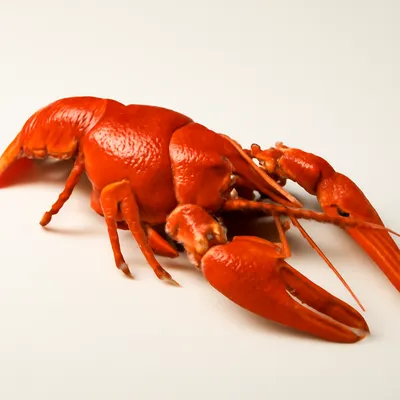
Ndolé takes its name from the Sawa-language word for the bitter leaves (Vernonia amygdalina) that are its central ingredient. The dish originated in the coastal Douala-Sawa fishing communities, where crayfish and shrimp from the Atlantic supplemented the smoked freshwater fish from the rivers. The dish became a national symbol when Douala restaurants began serving it to inland Cameroonians and visitors; today every region of Cameroon makes ndolé, with peanut quantity and protein mix varying. The boiling-and-washing of bitter leaves up to three times is the signature labor that distinguishes a good ndolé.
Spoon up bitter leaves enveloped in glossy brown peanut sauce — the leaves are silky-soft, not bitter (the triple-rinse removed it). Beef cubes give beefy depth; smoked fish flakes scatter umami throughout; shrimp pop sweet. Crayfish powder adds the unmistakable West African dried-shellfish funk. Red palm oil pools on top — fruity and orange. Heat from scotch bonnet builds slowly. Each spoonful with miondo below catches the sauce — fermented-cassava tang against peanut richness.
Bitter-leaf bitterness comes from sesquiterpene lactones; multiple boil-rinse cycles leach them out, leaving the leaf structure intact and earthy. Skipping rinses means the dish stays painfully bitter. Peanut paste thickens via starch + protein gel — water-emulsified peanut butter alone won't work; the peanuts need to be processed into a paste that hydrates fully in the sauce. Red palm oil added at the end keeps its color and fruity flavor (overcooking palm oil dulls it). Crayfish powder dissolves and infuses umami glutamates throughout.
Variations
Restaurant ndolé adds tripe and beef cow-foot for extra richness. Diaspora ndolé uses spinach blended with arugula to mimic bitter leaves (the closest substitute, still imperfect). Vegan ndolé omits meat and fish; uses extra peanut and tofu. Suya-spice ndolé adds the West African suya-spice mix for kick. Festival-luxury ndolé adds whole prawns and dried stockfish from Nigeria.
On the Palate
Where Ndolé sits in the Cameroonian flavor cloud
Boil and rinse the bitter leaves through three squeezing cycles until the water runs clear — skip this and the whole pot stays punishingly bitter, no seasoning can rescue it.
Ingredients
Serves 6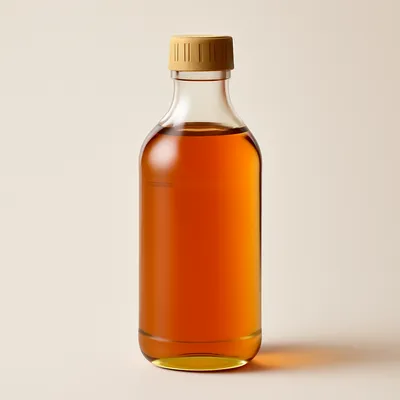




How it's made
10 steps · 1 hour 15 min active + 1 hour 45 min waiting
- 112 min
Bitter-leaf prep: rinse 500 g fresh bitter leaves (or 200 g dried; rehydrate first) thoroughly. Boil 10 min in salted water with 1 tbsp baking soda; drain.
- 25 min
Squeeze the leaves with your hands to wring out water. Rinse 3 times with cold water, squeezing between each rinse, until water runs clear and bitterness mellows. Set aside.
Watch outKeep squeezing and rinsing until the water runs clear — that's your signal the harsh bitterness is gone.
- 310 min
Brown beef: cut 500 g stewing beef into 3-cm cubes. Brown in 3 tbsp palm oil over high heat in a heavy pot, 8 min total.
- 44 min
Add 2 chopped onions, 4 minced garlic cloves, 2 tbsp grated ginger, 1 tsp salt, 1 tsp bouillon powder. Stir-cook 4 min.
- 547 min
Add 1 liter water and 200 g smoked fish (pre-soaked 30 min in warm water, deboned, broken into flakes). Bring to a simmer; cover; cook 45 min until beef is fork-tender.
- 68 min
Meanwhile, peanut paste: process 300 g unsalted roasted peanuts in a food processor with 200 ml water to a smooth paste (like thick peanut butter).
- 722 min
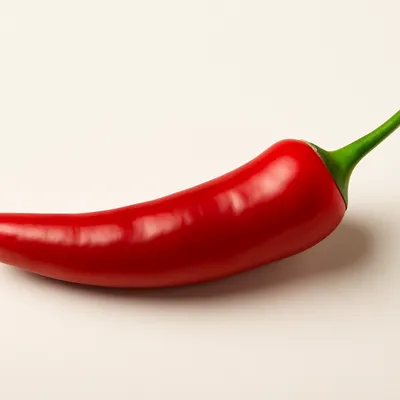
Add the peanut paste to the simmering pot, stirring constantly to avoid lumps. Add 2 tbsp dried ground crayfish and 1 chopped scotch bonnet. Stir; simmer 20 min — the sauce will thicken and turn glossy brown.
Watch outThe sauce should thicken and turn a glossy deep brown as the peanut cooks in.
- 89 min
Add the prepared bitter leaves; stir to incorporate. Add 300 g raw peeled shrimp. Simmer 8 min until shrimp are pink and leaves are silky.
Watch outPull the shrimp the moment they turn pink and the leaves go silky; overcooked shrimp turn rubbery.
- 91 min
Finish with 3 tbsp red palm oil drizzled across the surface (do not stir in fully — the oil should pool decoratively). Taste; adjust salt.
Watch outLet the palm oil pool on the surface rather than stirring it fully in.
- 102 min
Serve hot in deep bowls, ladled over miondo or boiled plantain. The sauce should coat a spoon and the leaves should be silky-soft.


