
Beef, fish, or chicken stewed in a deeply-black sauce made from charred mbongo spice (also called bayes), country onion, njangsa, calabash nutmeg, and other forest spices — the dish of the Bassa people of Cameroon's Littoral region. The black color comes from the dry-toasted spice barks; the sauce is heady-aromatic, distinctly East African in spice depth but West African in palm-oil structure. Served with miondo (fermented cassava sticks) or boiled plantain.
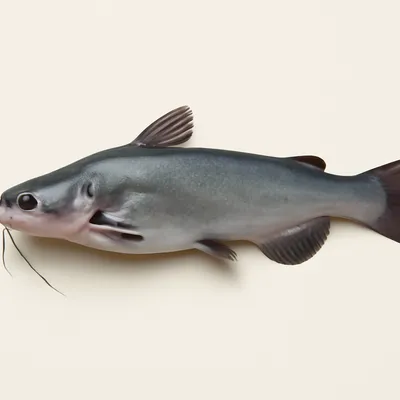



Mbongo tchobi (or just mbongo) is the signature dish of the Bassa people of Cameroon's Littoral region (around Edéa and Eséka). 'Mbongo' refers to the dark, charred spice mixture, while 'tchobi' means 'fish' in Bassa and related dialects — so the name essentially describes the mbongo sauce cooked with fish, with catfish being the original and most classic protein (beef, chicken, and goat are later additions). The sauce is built on local forest spices: mbongo/garlic-tree bark (Scorodophloeus zenkeri, locally 'hiomi', sold as 'bayes'), njangsa (Ricinodendron heudelotii), country onion (Afrostyrax), and calabash nutmeg (Monodora myristica). These spices — especially the bark — are roasted over an open flame until they char nearly black, then ground into a powder; this charring step is what gives the dish its signature black color and smoky-resinous flavor. Among the Bassa, mbongo is both a feast dish and a restorative eaten when someone is sick or recovering.
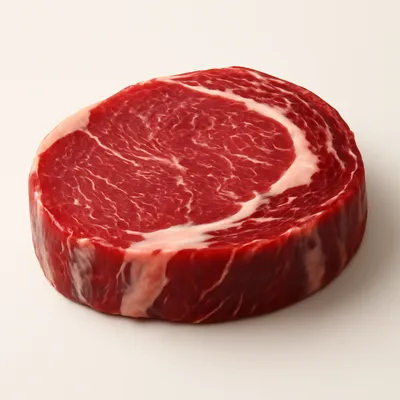
Spoon up dark-black sauce coating beef cubes — the sauce is intensely aromatic, almost-medicinal in herbal complexity. The mbongo bark gives a smoky-resinous backbone unique to Cameroon Littoral cuisine; calabash nutmeg adds warm musky-nutmeg; country onion gives sharp garlic-onion-pungency. Beef is fork-tender from the slow stew; palm oil emulsifies the spices into a rich coating. Each bite is layered — first the spice complexity, then beef richness, then the palm-oil fruit-fat finish. The dish that demands miondo or plantain alongside to balance its intensity.
Dry-roasting the spices (especially the bark) until nearly black is the critical step: the heat first drives off the lighter, sharper aromatics that would otherwise dominate, then chars the bark's phenolics and polysaccharides into dark, deep-flavored compounds. The dish's black color comes precisely from this charring of the spice — not from burnt sugar or added coloring. Once ground, the toasted-spice powder emulsifies with palm oil into a glossy coating that clings to the meat. Slow stewing extracts the spice oils into the broth while hydrolyzing beef collagen into gelatin — the dish needs at least 60 minutes for the spices and meat to fully integrate.
Variations
Fish-only mbongo (mbongo poisson) uses catfish or tilapia, omits beef — lighter, faster version. Chicken mbongo uses bone-in chicken pieces — milder than beef. Wild-game mbongo (rare) uses bushmeat — game-meat traditional. Diaspora mbongo uses allspice + cumin + smoked paprika + cardamom mix to approximate the bush spices. Festival mbongo includes extra calabash nutmeg and bay leaves for ceremonial intensity.
On the Palate
Where Mbongo Tchobi sits in the Cameroonian flavor cloud
Ingredients
Serves 6



How it's made
12 steps · 50 min active + 50 min waiting
- 18 min
Toast spices: in a dry heavy skillet over medium heat, toast 2 tbsp mbongo (bayes) bark pieces, 1 tbsp njangsa seeds, 2 calabash nutmeg seeds (cracked), 1 tbsp country onion seeds (or 1 tsp Afrostyrax powder) for 6-8 min, shaking constantly, until very dark — almost black — and intensely aromatic. (Substitution: use ground allspice + smoked paprika + ground coriander + ground cumin in 2:1:1:1 ratio; toast briefly.)
Watch outToast the bark and seeds until very dark, almost black, shaking constantly — the smell should turn deep and resinous, not raw.
- 24 min
Grind spices: transfer to a mortar or spice grinder. Grind to a coarse powder, then to a thick paste with 2 tbsp warm water. Reserve.
- 35 min
Prepare beef: cut 800 g stewing beef into 3-cm cubes. Pat dry.
- 411 min
Brown beef: in a heavy pot, heat 3 tbsp red palm oil over high heat. Brown beef cubes 8 min until deeply colored. Remove; reserve.
- 56 min
In the same pot, cook 2 chopped onions until soft, 4 min. Add 4 minced garlic cloves and 2 tbsp grated ginger; cook 1 min.
- 63 min
Add the spice paste; stir-cook 2 min — the aroma should bloom intensely.
Watch outStir-cook the spice paste until the aroma blooms and fills the kitchen — that's when the oils release.
- 73 min
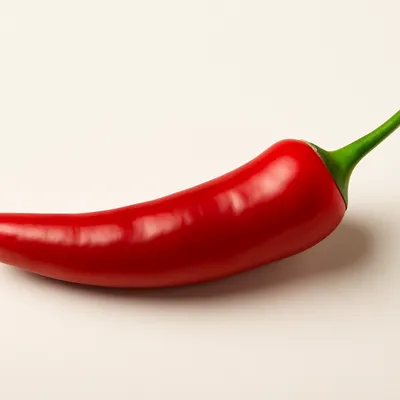
Return beef. Add 1 liter beef stock or water, 1 chopped scotch bonnet, 1 bay leaf, 1 tsp salt.
- 862 min
Bring to a simmer; cover; cook 60 min until beef is fork-tender.
- 98 min
Add 300 g cubed catfish or tilapia (optional but traditional) in the last 8 min of cooking.
- 106 min
Uncover; simmer 5 min to thicken slightly. The sauce should be dark-black-brown and coat a spoon.
Watch outReduce until the sauce turns dark black-brown and coats the spoon — that clinging body is the goal.
- 111 min
Drizzle 1 tbsp additional palm oil on top for color and finish. Taste; adjust salt.
- 123 min
Serve in deep bowls with miondo, boiled plantain, or boiled cassava. The sauce's strength is meant to be diluted by the starch.


