
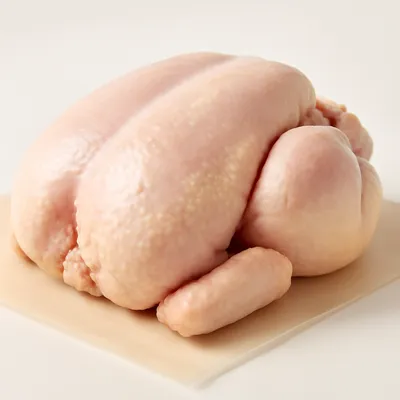
Bone-in chicken (or other meat) slow-braised in a sauce of palm-fruit-pulp concentrate, onion, tomato, garlic, hot chili, and stock until the sauce reduces to a deep-brick-red glossy coating. The DRC's national dish; the deep red comes from the carotenoids in palm nut. Served with rice, fufu, or chikwangue (fermented cassava bread). The everyday meal of the Equator forest and the signature meal of Lingala-speaking households.
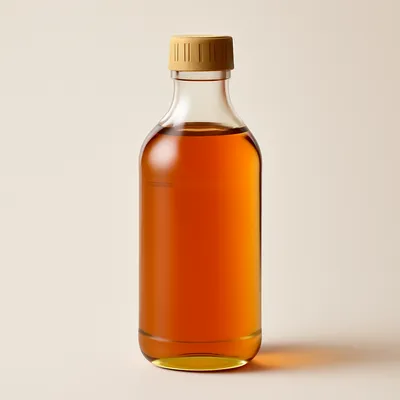



Moambé (or muamba de galinha in Angolan-Lusophone usage) is shared across Central Africa from Cameroon to Angola, but the Democratic Republic of the Congo has elevated it to national-dish status. The dish's foundation is moambé sauce — palm-nut pulp boiled and strained into a thick orange-red concentrate that flavors and colors the sauce. Without genuine moambé, the dish is missing its visual and flavor identity. Modern preparations use canned moambé (sauce graine in West Africa) for convenience. Served at every Congolese family event, the deep-red color is itself the signature.
Spoon up sauce — it's deep brick-red, glossy, and rich. The palm-fruit pulp gives a fruity, almost vegetal sweetness undercut by tomato acidity and chicken-fat depth. Bite into chicken; the meat is so tender the bone slides out, every fiber stained red. The sauce coats and clings — it has body without being thick. Heat from scotch bonnet builds gradually. Served over rice, the sauce dyes the rice red and adds richness. The Congolese centerpiece dish.
Palm-nut concentrate's color is from carotenoids (β-carotene) — fat-soluble pigments that dissolve into palm oil's fat phase, dyeing the entire sauce. The concentrate's natural emulsifying properties (fatty acids + saponins) help bind the sauce together. Slow simmering breaks down chicken collagen into gelatin, which adds body to the sauce as it reduces. Lemon juice at the end brightens the otherwise rich-heavy palm flavor. Searing chicken first creates Maillard compounds that flavor the entire pot.
Variations
Bushmeat moambé (rare, traditional) uses game like antelope or porcupine — richer, gamier. Fish moambé uses tilapia or catfish — lighter, faster (cooks in 25 min). Goat moambé uses goat meat — stronger flavor than chicken. Wedding moambé adds extra prawns and crayfish. Vegan moambé uses chickpeas or mushrooms — possible but loses meat depth.
On the Palate
Where Moambé sits in the Congolese flavor cloud
Ingredients
Serves 6



How it's made
11 steps · 35 min active + 55 min waiting
- 132 min
Cut 1 whole chicken (1.5 kg) into 8 bone-in pieces. Marinate with 4 minced garlic cloves, 2 tbsp grated ginger, 1 tbsp salt, 1 tsp black pepper, juice of 1 lemon. Rest 30 min.
- 29 min
Heat 3 tbsp red palm oil in a heavy pot over high heat. Sear chicken pieces 8 min until golden on all sides. Remove; reserve.
Watch outSear the chicken until it's golden on every side, not just pale — that color is flavor going into the pot.
- 36 min
In the same pot, cook 2 chopped onions until soft, 5 min. Add 4 minced garlic cloves, 2 tbsp grated ginger; cook 1 min.
- 47 min
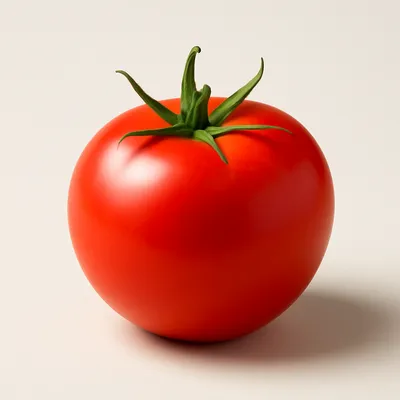
Add 3 diced tomatoes + 2 tbsp tomato paste; cook 6 min until tomato breaks down.
- 53 min
Add 400 g canned moambé sauce (palm-nut concentrate) + 500 ml chicken stock or water. Stir to combine.
- 63 min
Add 1 bay leaf, 2 chopped scotch bonnets, 1 tsp salt, 1 tsp bouillon powder, ½ tsp ground black pepper. Bring to a simmer.
- 747 min
Return chicken pieces to pot, nestling into the sauce. Cover; simmer 45 min, turning chicken halfway, until cooked through and tender.
- 811 min
Uncover; simmer 10 min to reduce sauce to a thick, glossy, deep-brick-red coating that clings to the chicken.
Watch outReduce uncovered until the sauce turns thick, glossy and deep brick-red, coating the chicken.
- 92 min
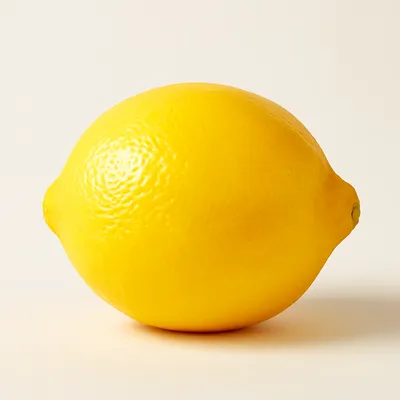
Stir in juice of ½ lemon and taste; adjust salt.
- 102 min
Garnish with 3 tbsp chopped parsley.
- 113 min
Serve hot in deep bowls with steamed white rice or boiled cassava (chikwangue), spooning sauce over the starch.


