In Practice
Glutamate sources by mg/100 g: Parmigiano-Reggiano (1200), kombu (1600), tomato paste (650), soy sauce (780), fermented anchovy (1200). Ribonucleotide pairing: dried shiitake (rehydrated 50°C for 4 h to maximize GMP), katsuobushi shavings (IMP peaks at 60-second steep at 80°C — boiling destroys it). Failure mode: boiling dashi — kombu past 65°C releases bitter alginate, and IMP degrades above 80°C.
Background
In 1908, Tokyo's early 20th-century culinary scene was bustling with innovation and experimentation. Amidst this dynamic backdrop, Kikunae Ikeda, a Japanese chemist, isolated a taste that was neither sweet, sour, bitter, nor salty. He identified it while savoring a bowl of dashi, a traditional kelp-based broth, and named it 'umami'. The discovery of umami was a breakthrough in flavor science, deeply rooted in the Japanese appreciation for 本味 (honmi)—the true essence of ingredients.
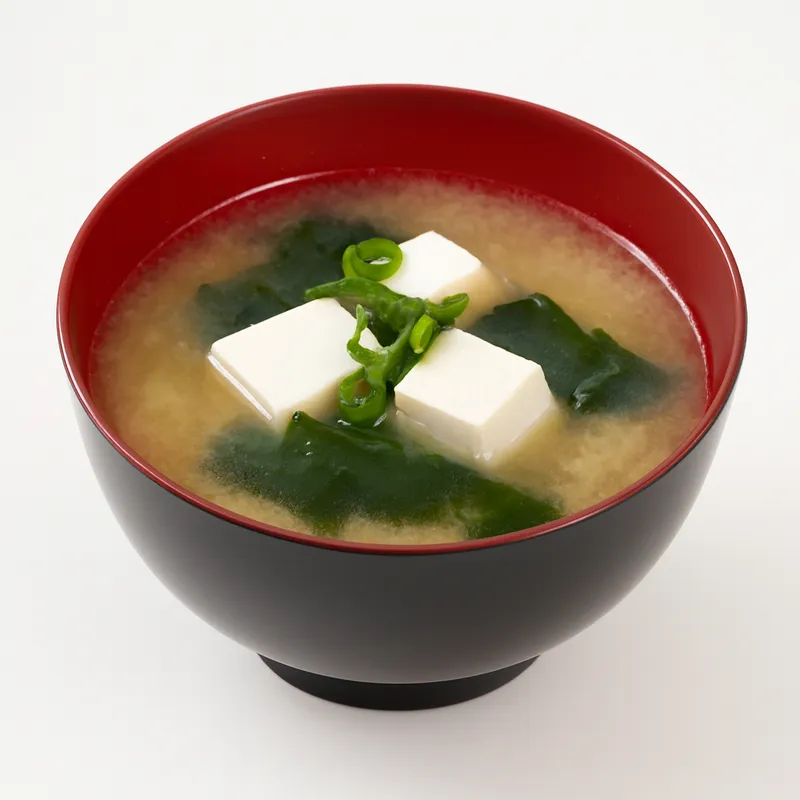
From its discovery, umami quickly became a foundation of Japanese cuisine, permeating dishes like miso soup and sushi nigiri. As globalization accelerated in the 20th century, umami was introduced to global palates. In Western kitchens, chefs began recognizing the umami-rich qualities in ingredients like tomatoes and parmesan cheese, while in Southeast Asia, fish sauce became a staple for its umami depth. Yet, the Japanese application remains unique, weaving umami through the delicate balance of flavors in dishes like gyudon and miso ramen.
How It Works
The fifth basic taste, transduced by T1R1+T1R3 heterodimer receptors on tongue papillae responding to L-glutamate (free amino acid) and synergistically amplified several-fold by 5'-ribonucleotides — inosinate (IMP) from meat/fish, guanylate (GMP) from dried mushroom. Pure MSG alone reads flat; the synergy compound is what makes dashi (kombu glutamate + katsuobushi IMP) taste far more umami than its parts.
The Three Savories
the mental modelUmami isn't one molecule but a small family — one amino acid and two nucleotides — that read as savory on the tongue. The trick every deep-tasting kitchen knows: on their own the nucleotides barely register, but pair one with glutamate and the savoriness leaps far beyond the sum. Learn these three, and you can build depth into any pot on purpose.
Cook One

Dish examples
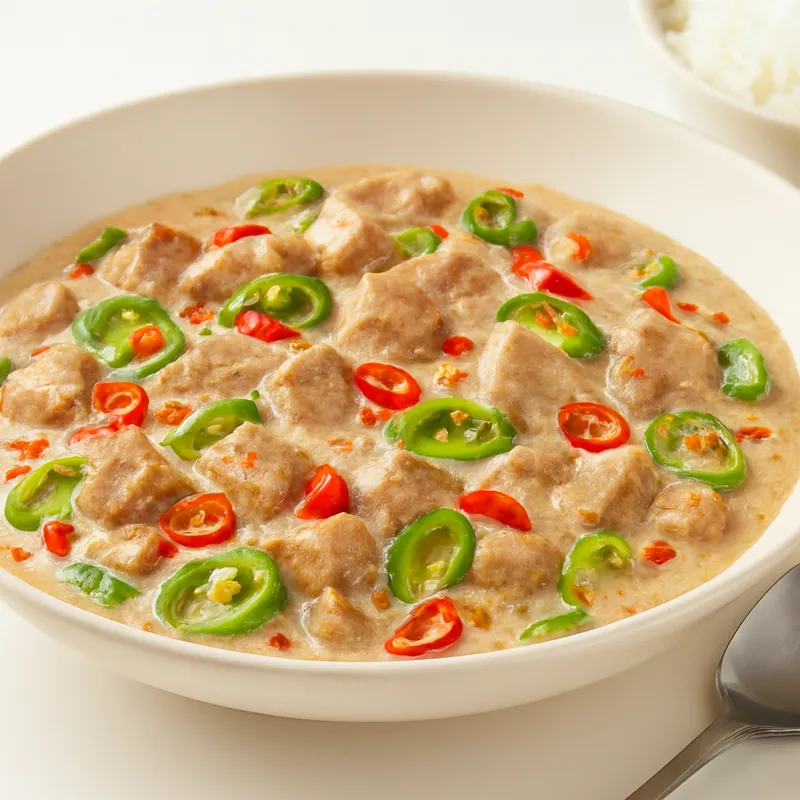
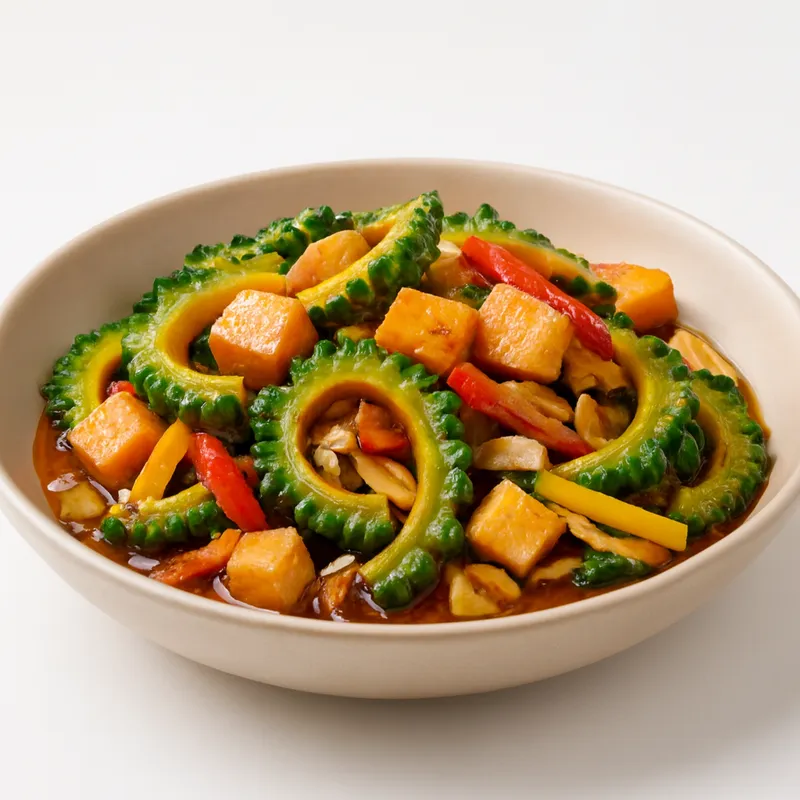
317 dishes · 21 cuisines


Through Time
Kikunae Ikeda isolated glutamic acid from kombu dashi at Tokyo Imperial University in 1908 and coined 旨味 (umami). Shintaro Kodama identified IMP synergy in 1913; Akira Kuninaka identified GMP synergy in 1957. Western acceptance lagged until 2000 when Nirupa Chaudhari's Miami lab demonstrated the T1R1+T1R3 receptor. Heston Blumenthal and Ferran Adrià brought umami into Western fine-dining vocabulary post-2002.
Related cooking knowledge
Fermentation is umami's industrial supplier (soy sauce, fish sauce, miso, parmesan all rely on enzymatic protein hydrolysis releasing glutamate). Kaiseki and Edomae-zushi build entire menus on the kombu-katsuobushi synergy. Curing concentrates glutamate by water removal; smoking adds phenolic complexity but not umami directly.