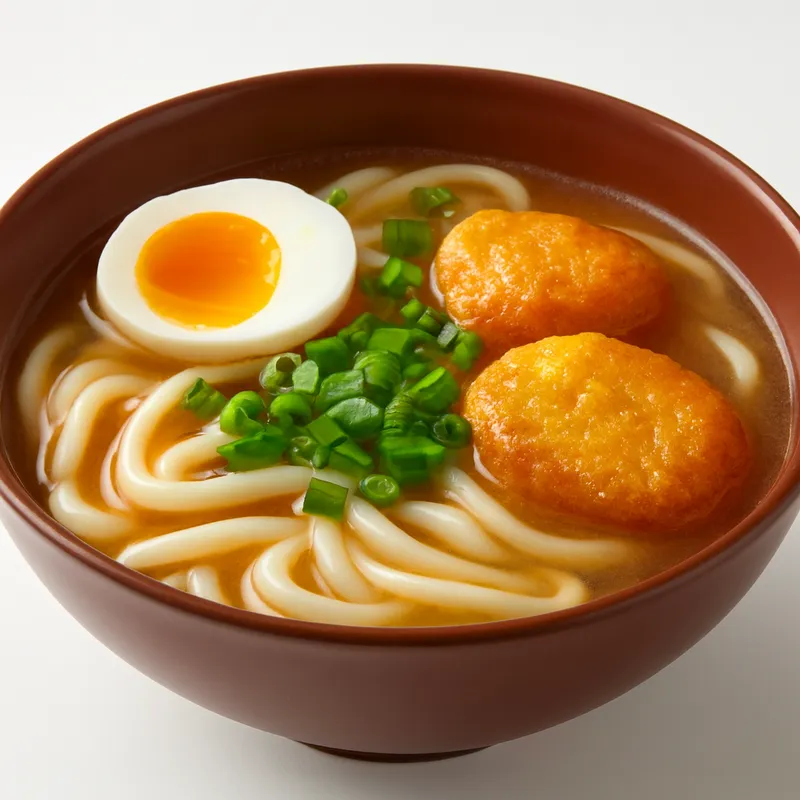



Udon dates to the Nara period (8th century), brought to Japan by Buddhist monks returning from Tang China — the kneaded wheat noodle was a temple food long before a peasant one. The Sanuki tradition (Kagawa prefecture) became dominant by the Edo era because of local salt, soft wheat, and ibukiya iriko (sardine stock). Osaka built its kake-udon style around lighter usukuchi soy and stronger kombu dashi.
Sanuki udon from Kagawa is the benchmark — the noodle is cut at 4mm square, kneaded with foot pressure to a 13-15% salt-water hydration. The bite (koshi) comes from the salt, not the flour grade.
A wide bowl of pale gold dashi-soy broth with thick white wheat noodles — finger-fat, slippery, with a chew that pushes back. Topped with sliced scallion, kamaboko fish cake, soft egg, or a piece of tempura. Slurp aggressively; the broth carries on the noodle. The noodle should yield after a beat of resistance — if it's mushy, it sat too long after cooking.
Sanuki udon's chew comes from a high-salt dough kneaded under foot — wrapped in plastic, walked on by the cook — and rested overnight. The salt and pressure align the gluten into long strands that survive boiling without going limp. Industrial dried udon can never reach this; even fresh supermarket udon is pre-cooked and frozen, which kills half the bite. The broth must be assembled fresh that day; reheated dashi tastes like cardboard.
Variations
Sanuki udon (Kagawa) is square-cut and chewy; Kishimen (Nagoya) is flat and ribbon-thin; Inaniwa (Akita) is hand-stretched and very thin; Ise udon (Mie) is soft, served with a soy-tare and no broth.
On the Palate
Where Udon Noodle Soup sits in the Japanese flavor cloud
Ingredients







How it's made
6 steps · 23 min
- 110 min
Cook the udon noodles in a large pot of boiling water until al dente. Drain and toss with a teaspoon of oil to prevent sticking.
Watch outPull the udon a touch before you think it's done — it should still spring back when pressed, since it keeps softening in the hot soup.
- 22 min
In a medium saucepan, heat olive oil over medium heat until shimmering. Add ginger and garlic, sautéing until fragrant but not browned.
Watch outKeep an eye on the garlic to prevent it from burning, which can make the dish taste bitter.
- 33 min
Pour in the vegetable or chicken broth, bringing it to a boil. Add any hard vegetables like carrots, cooking until crisp-tender.
Watch outBring the broth to a full boil only for the hard vegetables — carrot should go crisp-tender, taking a slight bite, not going soft.
- 43 min
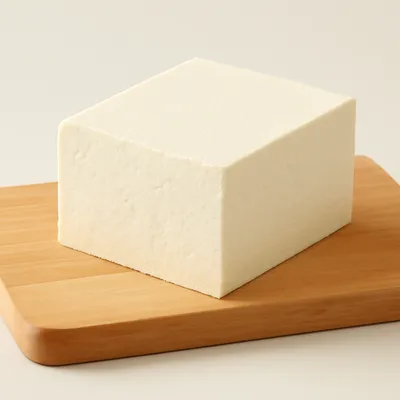
Add tofu and soft vegetables, simmering until tender but vibrant. Turn off the heat, covering the pot to keep warm.
Watch outDo not overcook the soft vegetables; they should retain their color and crunch.
- 52 min
In a separate pot, heat remaining broth until steaming. Whisk in miso paste until fully dissolved, then combine with the main soup pot.
Watch outWhisk the miso into hot but not boiling broth until no lumps remain, then it slides in smooth instead of leaving grainy specks.
- 63 min
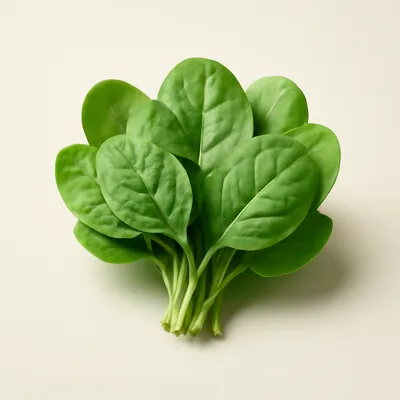
Stir in cooked noodles and spinach, if using, heating through gently. Serve with desired toppings like nori and scallions.
Watch outReunite noodles and greens over the gentlest heat, just until steaming — anything harder and the miso dulls and the spinach goes olive.
Archive tool suggestions — not reviewed
These legacy suggestions have not been evidence-reviewed and are not presented as required tools.

Hand-held wire loop tool for beating eggs, whipping cream, emulsifying dressings, and incorporating air into batters. Balloon whisks (large round head) for whipping cream and meringues; French whisks (narrow tear-drop) for sauces in pots; flat whisks (gravy) for pan sauces. Stainless steel is universal; silicone-coated for non-stick pans.

Round metal pot, 14-26 cm diameter, with vertical walls and a long handle, designed for sauces, soups, oatmeal, rice, boiled vegetables. The vertical walls minimize evaporation (vs. a sauté pan). Sizes: 1 qt for melting butter, 2-3 qt for sauces, 4 qt for soups. Stainless-steel-clad aluminum or copper is best for conduction; cast-iron is too thick for delicate sauces.