Developed at Aji no Sanpei in Sapporo by Morito Omiya, who prototyped it around 1954-55 but only perfected it and added it to the menu in 1963 after roughly eight years of trial and error, who was experimenting with miso pork soup served over Chinese noodles. Hokkaido winters drove the formula — heavy fat cap, butter, corn — to keep the bowl hot in subzero air. It spread nationally after Omiya demonstrated it at the 1965 Tokyo and Osaka food expos, becoming one of the four major ramen tare styles (shoyu, shio, tonkotsu, miso) and the first regional flavor to win nationwide fame.
A bowl that rewards obsession. The tare takes hours; the toppings reveal the cook's personality.
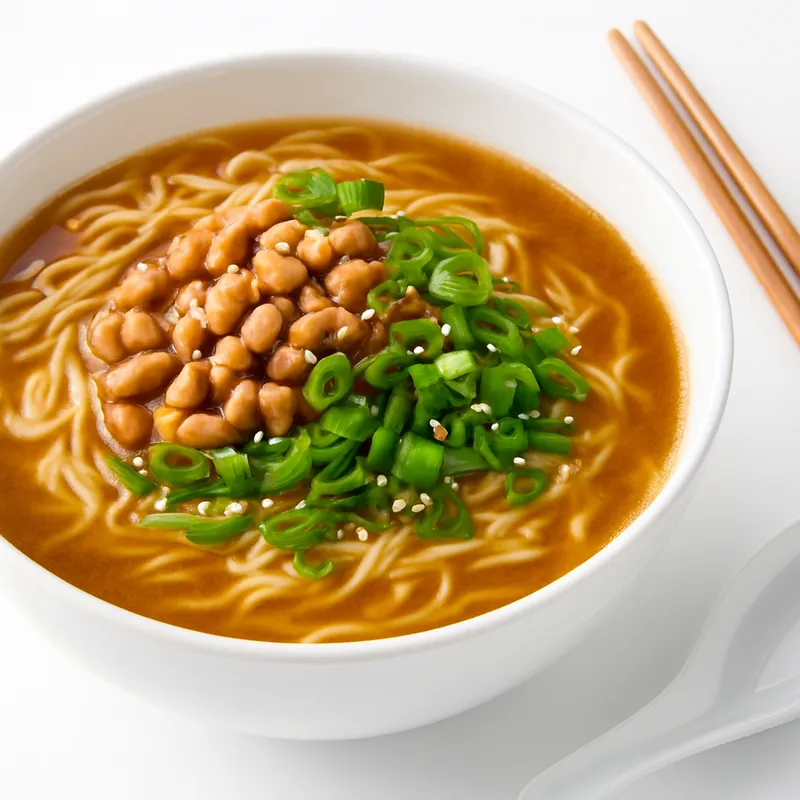
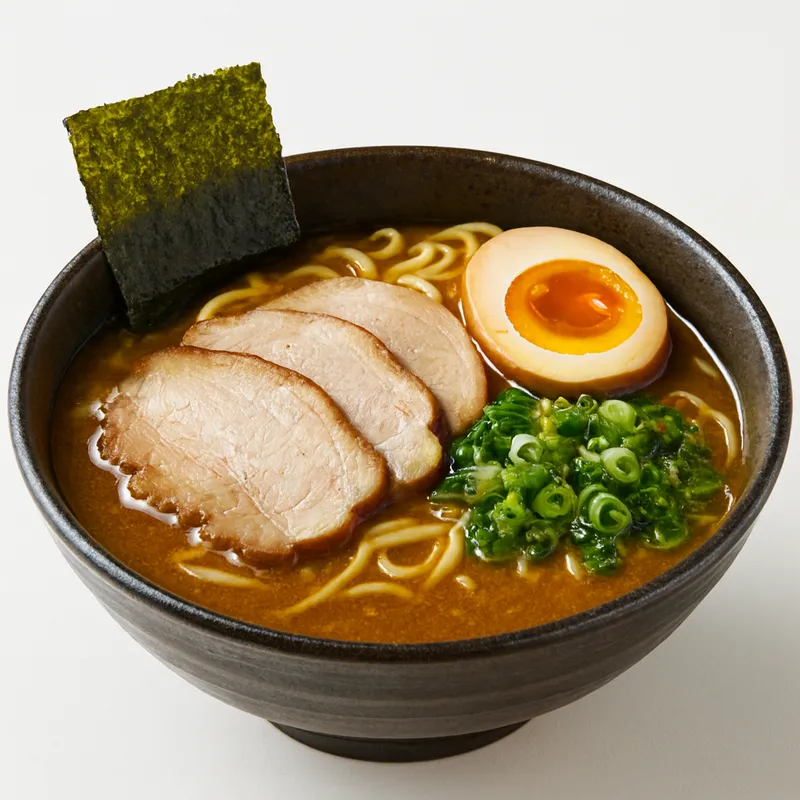
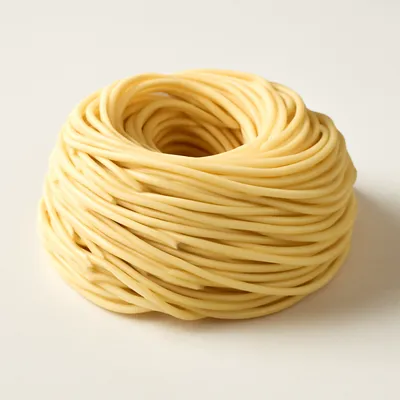
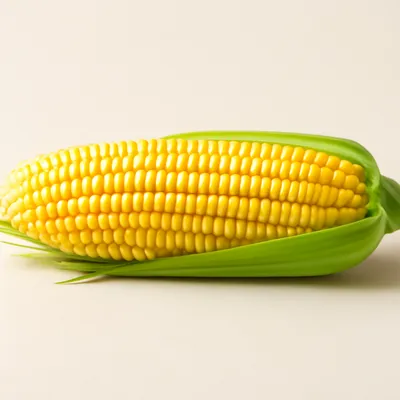
A deep bowl of opaque tan broth, oily across the surface, with curly yellow noodles, chashu pork, half a soft egg, bean sprouts, corn, a knob of butter melting in. Miso reads first — fermented, salty-sweet, faintly funky — then pork fat. Eat fast; the noodles soften within four minutes and the broth cools quickly under that fat cap.
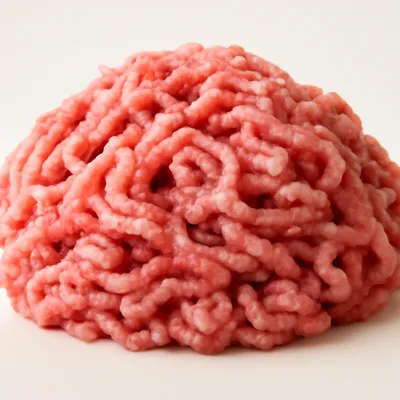
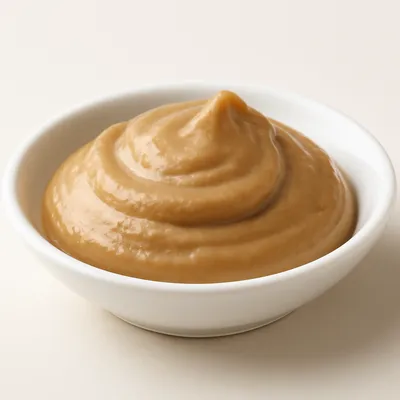
The tare is the load-bearing element: red or white miso blended with ground pork, ginger, garlic, sesame paste, sometimes doubanjiang, then cooked into a paste before broth hits it. Raw miso whisked into hot soup tastes flat and grainy; the cooked tare emulsifies fat into the broth and gives the bowl its body. Northern shops never skip the butter.
Variations
Sapporo's original uses red miso and butter; Tokyo version uses a blended awase miso; modern American shops add charred corn — three Hokkaido inheritances.
On the Palate
Where Miso Ramen sits in the Japanese flavor cloud
Cook the miso tare into a paste with the aromatics before the broth hits it — cooked miso emulsifies the fat and gives the bowl body, where raw miso whisked into hot soup tastes flat and grainy.
Ingredients














How it's made
6 steps · 47 min
- 15 min
In a large pot, combine water, dried shiitakes, and kombu. Bring to a simmer and cook for 5 minutes. Remove shiitakes for later use and discard kombu.
Watch outPull the kombu just before the water reaches a full boil and the surface trembles — the liquid should smell faintly of the sea, clean and savory, never fishy.
- 27 min
In a skillet, heat canola oil over medium-high heat. Add sliced green onions, minced ginger, and garlic, cooking until fragrant. Add to the dashi along with ground sesame seeds and red miso paste, stirring until dissolved.
Watch outSauté the aromatics until fragrant but not browned, then work in the miso until it darkens into a thick, glossy, nutty-smelling paste that clings to the spoon.
- 310 min
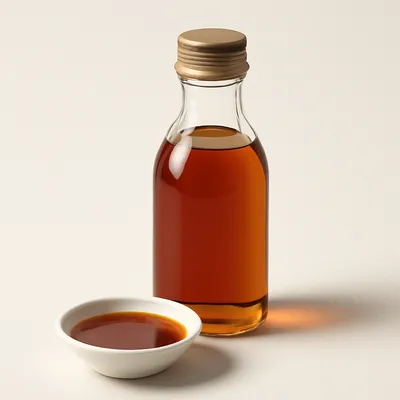
Stir in soy sauce, almond milk, and sesame oil. Reduce heat and let the broth simmer for 5 to 10 minutes. Taste and adjust seasoning if necessary.
Watch outAfter the milk goes in, keep it at a lazy simmer with just a few bubbles breaking — a rolling boil here will curdle it.
- 45 min
Cook ramen noodles according to package instructions. Strain and rinse with cold water to stop cooking. Divide into serving bowls.
Watch outCook the noodles just to the package's bite, then rinse under cold water until they feel slick and clean, no longer slippery with starch.
- 515 min
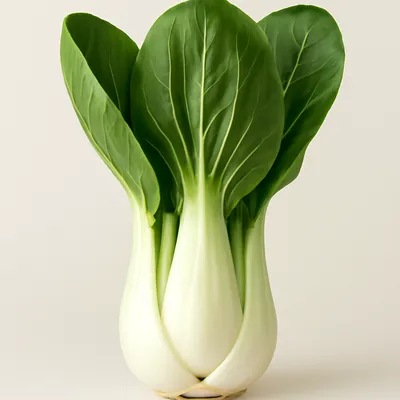
Prepare toppings: Boil eggs, blanch bok choy and asparagus, and pan-fry tofu. Arrange these along with other toppings over the noodles in bowls.
Watch outBlanch the greens just to bright and crisp-tender, and get the egg to a jammy, soft-set yolk; arrange everything before the broth so plating is quick.
- 65 min
Ladle hot dashi over noodles and toppings. Garnish with optional toppings like nori or sesame seeds before serving.
Watch outLadle the broth while it's piping hot and steaming hard so it warms noodles and toppings through in one pour — it should send up a strong miso-and-pork aroma.
Archive tool suggestions — not reviewed
These legacy suggestions have not been evidence-reviewed and are not presented as required tools.