



Sichuan-Chongqing hot pot traces to early 20th-century Jialing-riverside dock workers and boat trackers in Chongqing (at Chaotianmen, where the Jialing meets the Yangtze), who scavenged cheap offal discarded by Muslim slaughterhouses — tripe, duck intestine, aorta (huanghou) — in shared pots of beef-tallow chili broth at the riverside. The broth's heat preserved against summer spoilage and masked the gaminess of cheap cuts. Mongol-style清汤 hot pot is older (Yuan dynasty, 13th century) and unrelated; the spicy red-broth form everyone outside China knows is a Chongqing invention.
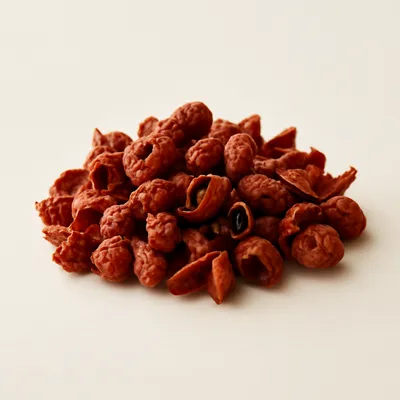
Chongqing dock-worker origin — beef tallow, chiles, peppercorn, doubanjiang. The má (numbing) and là (heat) are inseparable; the broth must look like motor oil to be right.
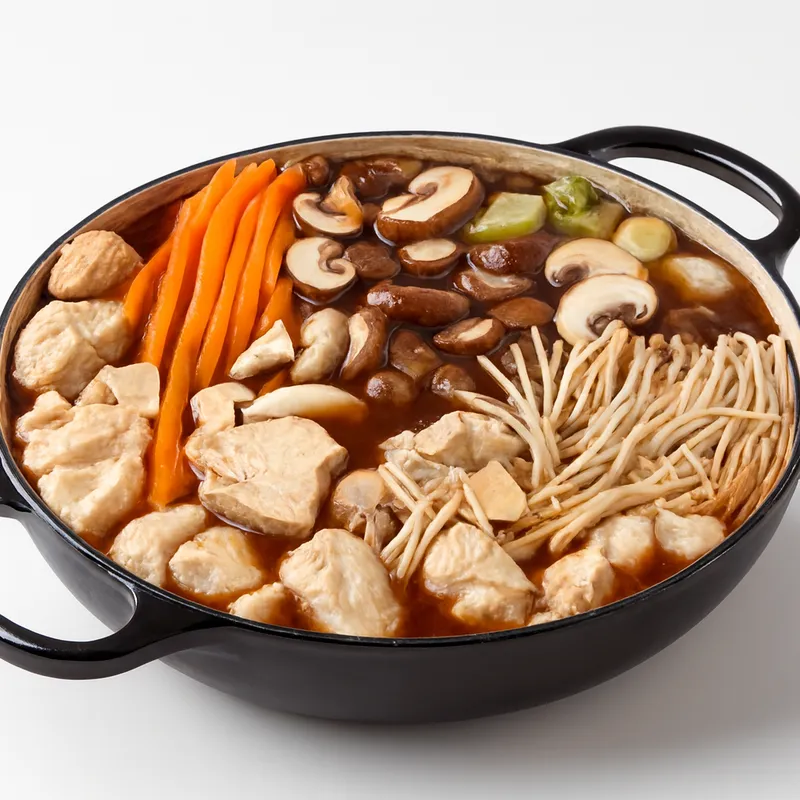
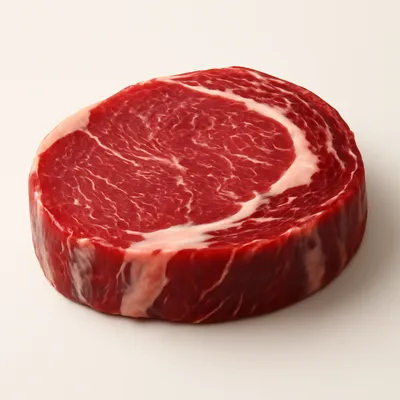
A divided pot bubbles at the table — one side red with chili oil, beef tallow, and Sichuan peppercorn floating in a slick; the other clear with goji and ginger. Diners drop in raw beef shaved paper-thin (8–12 seconds), tripe (the "seven dips" rule — about 15 seconds total), tofu skin, lotus root, mushrooms. Each fishes their own out, dips in sesame-garlic sauce, eats. The red side numbs the lips by the second hour.
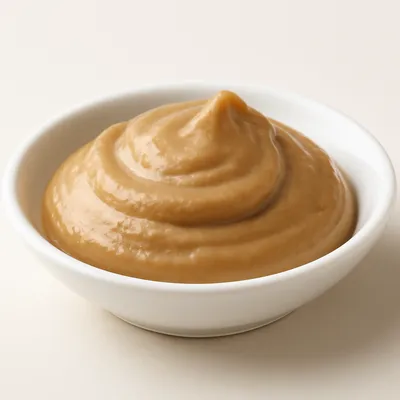
Beef tallow, not vegetable oil, is the load-bearing fat: it solidifies between dips and re-melts on the hot food, depositing a chili-perfumed coat that vegetable oil cannot replicate. The dipping sauce is regional — Sichuan diners use sesame oil with raw garlic to cool the lips between numbing bites; Beijing-style sesame paste sauce is a different cuisine entirely. Cooking time per ingredient is precise: thin beef under 15 seconds, tripe by the seven-dip method to about 15 seconds, or both go rubbery.
Variations
Yuan-yang (split pot, half spicy / half clear); Chongqing nine-grid pot (each grid for a different cooking time); Chengdu-style is lighter and oilier; the suffix "old hot pot" (lao huo guo) means the tallow is recycled.
On the Palate
Where Sichuan Hot Pot sits in the Chinese flavor cloud
Ingredients







How it's made
5 steps · 40 min
- 110 min
Fill a large pot with broth and bring to a simmer over medium heat. The broth should be fragrant and lightly bubbling.
Watch outBroth is ready when it is fragrant and lightly bubbling at the edges, not at a rolling boil.
- 25 min
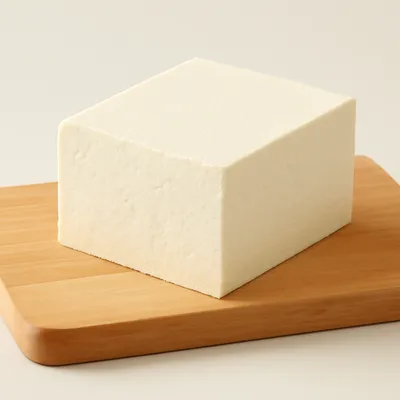
Arrange the slices of lamb, tofu, enokitake, and other vegetables on platters. Keep them separate to prevent flavors from mixing prematurely.
- 35 min
Set up a portable stove at the dining table and place the pot of simmering broth on it. Ensure the heat is kept at a gentle simmer.
Watch outCheck that the stove is stable to prevent spills.
- 415 min
Invite guests to cook their own ingredients in the simmering broth. The lamb should be tender, and the vegetables just cooked through.
Watch outPull thin lamb and beef the instant they lose their red; leave them longer and they seize up tough.
- 55 min
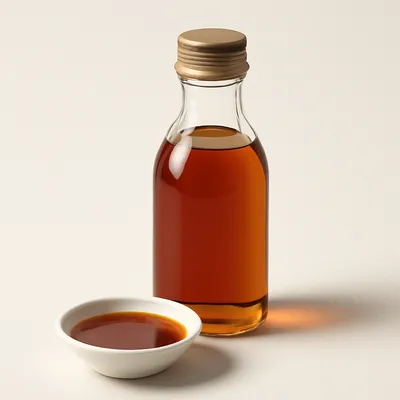
Provide a variety of condiments for dipping, such as soy sauce, tahini, and chili oil. Each guest can customize their dipping sauce to taste.