


Cantonese 清蒸鱼 (qing zheng yu) crystallized in the Pearl River delta by the Qing dynasty (17th–19th century), where freshwater and saltwater fish were abundant and same-day fresh. The technique is intentionally minimal: in a region with daily access to live fish, ornament was unnecessary. Sea bass, grouper, or pomfret are standard; the dish is a Lunar New Year staple because 鱼 (yu, fish) is a homophone for surplus.
Cantonese qing zheng — live fish out of the tank, steamed exactly 8 minutes for a 1.5-pound bream, finished with smoking-hot peanut oil over scallion threads. Soy sauce is poured around, never on, the fish.
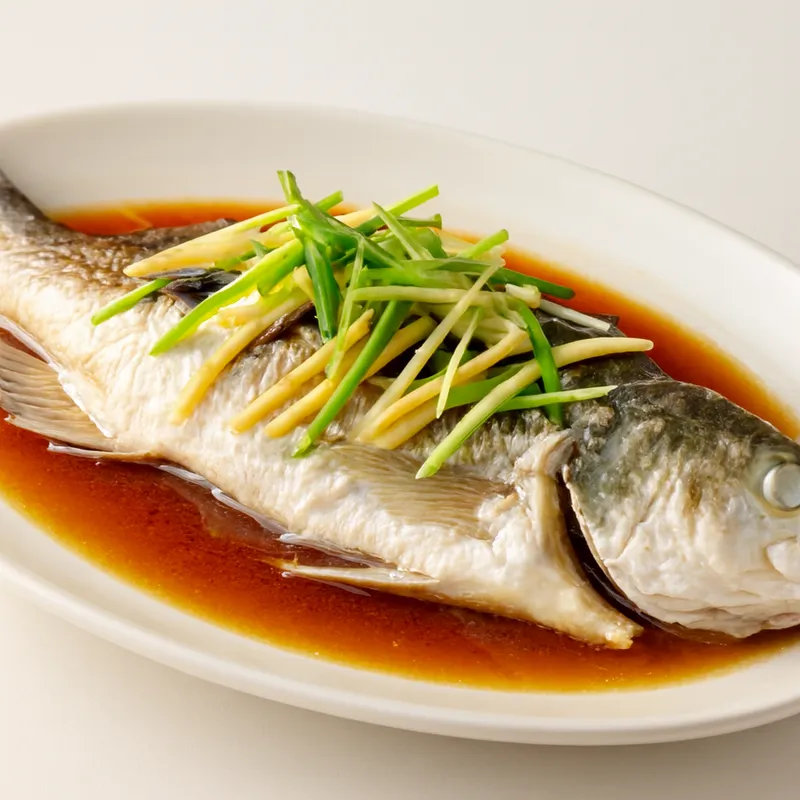
A whole fish on a long oval plate, flesh just opaque from gill to tail, eye still clear. Soy-sauce mixture pools dark around the rim; ginger and scallion shreds sit on top in a small pile, hissing where the just-poured smoking oil hit them. The flesh lifts off the bone in clean white flakes. If it tastes fishy, the fish wasn't fresh enough — the technique exposes everything.
Timing is the only variable that matters: roughly 8 minutes for a 600-gram fish over rolling steam — overshoot by a minute and the flesh tightens and dries. Drain the steaming liquid before plating; it carries off-flavors. The hot oil at the end is not seasoning, it's chemistry: ~190°C oil hits the raw scallion and ginger and releases volatile aromatics that boiling would have lost.
Variations
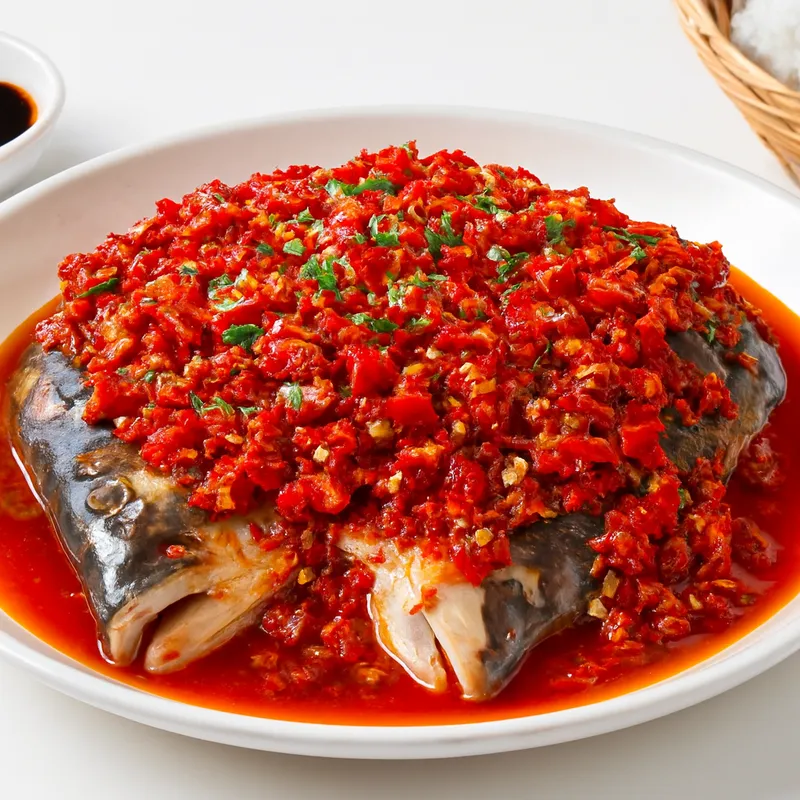
Cantonese qing zheng uses ginger-scallion-hot-oil; Hunan duojiao yutou tops fish head with chopped pickled chili; Sichuan tang cu yu finishes with sweet-sour gravy; Chiu Chow steams with salted plum.
On the Palate
Where Steamed Fish sits in the Chinese flavor cloud
Time it to the gram and pull it early — a 600 g fish needs about 8 minutes over rolling steam, and one extra minute tightens the flesh from silky to dry with no way back.
Ingredients



How it's made
5 steps · 30 min
- 15 min
Prepare your fish by ensuring it is clean and pat it dry with a paper towel. Slice ginger thinly and place it on top of the fish along with some scallions. This will infuse the fish with a delicate aroma during steaming.
Watch outThe fish should smell clean and of the sea, not fishy — pat it bone-dry first so surface water doesn't dilute the plate into that muddy pool.
- 25 min
Fill a wok or a large pot with about two inches of water and bring it to a vigorous boil. Place a steaming rack inside, ensuring the water does not touch the rack.
Watch outEnsure the water level is below the steaming rack; otherwise, the fish will boil instead of steam.
- 315 min
Carefully place the fish on a heatproof plate and set it on the steaming rack. Cover with a lid and steam over medium-high heat until the fish is opaque and flakes easily with a fork, about 10 to 15 minutes.
Watch outSteam has to be at a full roar before the plate goes in, and pull the fish the instant the flesh turns opaque and lifts off the bone — the given 10-15 minutes is far too long for a normal fish.
- 43 min
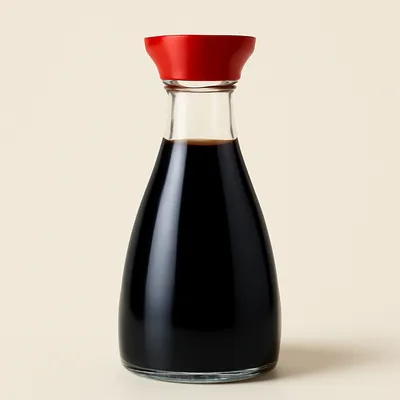
While the fish steams, mix soy sauce with a little water and heat gently in a small saucepan until warm. This will be poured over the fish just before serving.
- 52 min
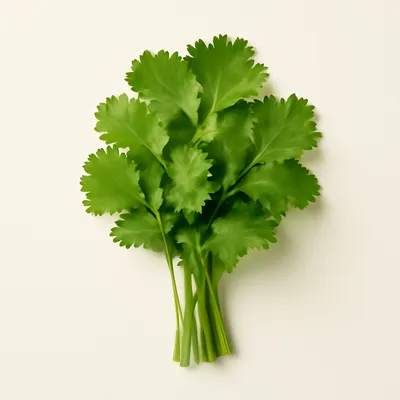
Once the fish is done, remove it carefully from the steamer. Pour the warm soy sauce mixture over it, and garnish with fresh cilantro and additional scallions.
Watch outScatter the raw scallion and ginger threads on only after draining, then hit them with the smoking oil so they hiss — no sizzle means the oil went on too cool.