
芋儿鸡是川渝一带常见的江湖菜,以带骨斩块的仔公鸡和小芋头同烧而成。郫县豆瓣先用油炒香、炒出红油,再下鸡块煸香、添汤焖煮,临到收汁前放芋儿同煨。芋儿入味后沙糯绵软,自身析出的淀粉又把汤汁收得浓稠挂芡,麻辣里透着芋头的回甜。一锅煮得汤宽,常像干锅、火锅那样连锅端上桌,边吃边煨。



Taro chicken is a modern Chongqing jianghu ("rivers-and-lakes") dish; its exact origin is not reliably documented. Chongqing jianghu cuisine — bold, oily, fiercely numbing-hot restaurant food that grew up along the old post roads and at roadside eateries — surged from the 1980s onward, and taro chicken is usually counted among the dishes that branched off from Laifeng fish (来凤鱼), the recognized ancestor of the genre, made famous along the Cheng-Yu post road in Bishan in the 1980s. The town most often named as its home is Hangu (含谷镇, in the Baishiyi area on Chongqing's western edge), a small place said to have become known across the city on the strength of this one dish; this attribution is by local repute rather than dated record. There is no basis for the occasional claims that the dish dates to the Ming dynasty or has a century of history — like the jianghu canon as a whole, it is a dish of the reform era.
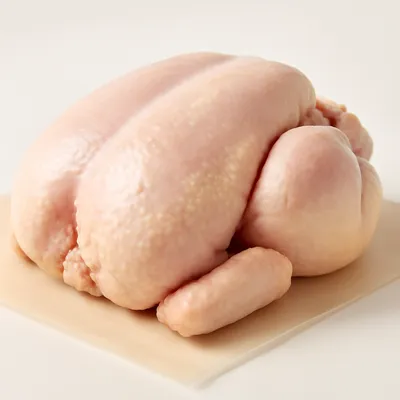
The chicken keeps its skin and bone, chopped into knuckle-sized pieces; the meat is firm and a touch chewy where it grips the bone, soaked through with chili oil and bean-paste savor. But the taro is the soul of the bowl — a good corm goes "sha" and "nuo," that crumbly-yet-sticky starchiness that half-melts on the tongue, faintly sweet against the heat, and it drinks up the red gravy like a sponge. The sauce itself is thick and glossy, clinging to everything; on top, the slow burn of doubanjiang and the high citrusy tingle of Sichuan peppercorn build with every bite.
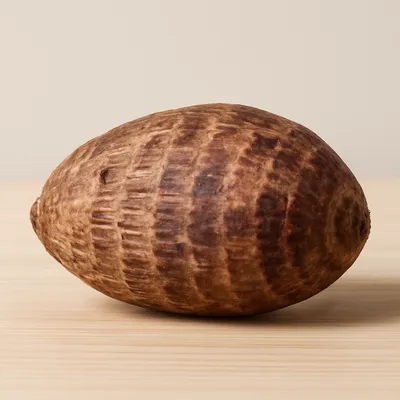
Three things make the dish. First, the doubanjiang: the Pixian bean paste is fried slowly in oil over moderate heat until the oil runs red and the raw-bean smell turns to a deep fermented fragrance — fry it too hot and it scorches bitter, too briefly and the sauce stays flat. Then the chicken is dry-stir-fried (煸) over high heat to firm the surface and render some fat before the stock goes in. The real trick is the taro: peeled raw, it carries needle-shaped calcium-oxalate crystals (草酸钙针晶) that prick and itch the skin, which is why hands sting when peeling it — but these crystals break down on heating, so the cooked corm is harmless. As the taro simmers, its abundant starch granules swell and gelatinize, then leak into the braise; that loose starch is what thickens the gravy to its glossy, clinging body with no added slurry — the dish essentially thickens itself. Because the corms are starchy and low in water, they turn "sha-nuo" (mealy-sticky) rather than watery, and soak up the chili-oil flavor deeply.
Variations
The everyday home version is a wide-soup braise, while restaurants often serve it dry-pot style (干锅芋儿鸡) — less liquid, the pieces glazed and clinging, kept warm over a flame. Taro choice matters: small "taro children" (芋儿) corms are standard, while big mealy types like Guangxi's Lipu taro (荔浦芋) or betel-nut taro (槟榔芋) give a denser, sweeter, more fragrant flesh. Some cooks add young ginger (仔姜) for a sharper, fresher heat, or pickled chili (泡椒) for a sour-spicy lift; potato is a common stand-in or addition. It sits in the same Chongqing jianghu family as dry-pot bullfrog (干锅牛蛙) and the chicken claypot (鸡公煲).
On the Palate
Where Taro Chicken sits in the Chinese flavor cloud
Ingredients
Serves 4


How it's made
8 steps · 30 min
- 110 min
Chop a skin-on young chicken into knuckle-sized pieces; blanch briefly to remove scum, then drain.
- 28 min
Peel the taro corms (oil your hands or wear gloves to avoid the itch) and cut into large chunks.
- 34 min
Heat oil and fry the Pixian doubanjiang over moderate heat until the oil runs red and smells fragrant; add ginger, garlic and dried chili.
Watch outFry the doubanjiang over moderate heat until the oil runs red and smells deeply fragrant — too hot and it scorches bitter, too brief and the sauce stays flat.
- 44 min
Turn the heat high and stir-fry the chicken pieces until the surface firms and some fat renders.
- 53 min
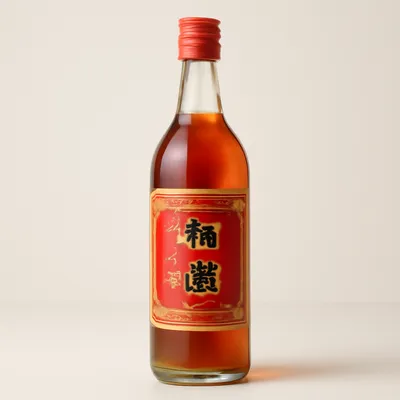
Splash in Shaoxing wine, add light and dark soy and enough hot stock or water to cover; bring to a boil.
- 620 min
Drop to a simmer, lid on, and braise the chicken about 20 minutes until nearly tender.
- 715 min
Add the taro chunks and simmer another 15 minutes, until the corms go mealy-soft and their starch thickens the gravy.
Watch outSimmer the taro until mealy-soft so its starch thickens the gravy — undercooked it stays hard and won't body the sauce; the itch-crystals also break down with heat.
- 83 min
Toss in Sichuan peppercorn and scallion, reduce to a glossy sauce, and serve in the pot over a low flame.


