Pork belly with the skin on, air-dried overnight to desiccate the rind, then roasted in a hot oven — 240°C or above — until the skin blisters and shatters into glass-hard, bubbly crackling while the fat underneath renders translucent. Sold by weight at siu mei shops, cut into bite-sized cubes. The crackling is the reason to buy it.
Roast pork belly (siu yuk) is a pillar of Cantonese siu mei alongside char siu and roast goose. It appears at household ceremonies and in everyday lunch boxes in equal measure, sold from specialist roast-meat shops that date to at least the 19th century in Guangdong.
A cube of roast pork belly, about 3cm per side, sold by weight. Three layers visible in cross-section: crackling on top (5–8mm, dry and glassy, shatters without effort), fat layer (translucent white, rendered soft), lean meat at the bottom (firm, not dry). The crackling is why you buy it — it should snap, not bend. The fat is the reason it stays moist. Best eaten within 30 minutes of cutting, when the crackling is at peak crunch.
The crackling preparation is a two-stage dehydration and high-heat process. First: the skin is scored, rubbed with salt, and left uncovered overnight in a refrigerator at 4°C — the salt draws out surface moisture and the cold, dry air of the refrigerator desiccates the rind. Second: roasted at very high heat (siu mei furnaces typically run 300°C or hotter) with the skin facing the heat source. As the rind temperature rises above 160°C, the remaining water vaporizes and the fat under the skin expands and renders out through the pin-pricked holes, frying the rind from within while trapped steam and rendering fat puff the dried skin into a dense field of bubbles — this is the 'blistering' (起泡). The fat renders below the skin and bastes the lean meat. Vinegar is sometimes brushed onto the skin before drying: the acetic acid slightly weakens collagen cross-links, which promotes more aggressive bubbling.
Variations
Siu yuk (烧肉) is the HK standard; naam yuk (南乳扣肉) is the braised red-fermented-bean-curd cousin — no crackling but similar fat-to-lean ratio. Some shops offer a mixed plate (燒味拼盤) with char siu and roast goose alongside. The Guangzhou version runs with thicker fat and a looser skin bubble; the HK version prioritises a denser, harder crackle.
On the Palate
Where Roast Pork Belly sits in the Chinese flavor cloud
Ingredients
Serves 4



How it's made
6 steps · 2 hours
- 110 min
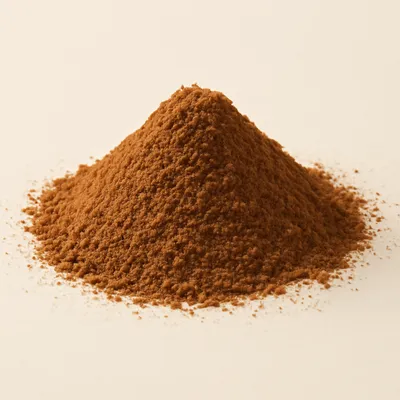
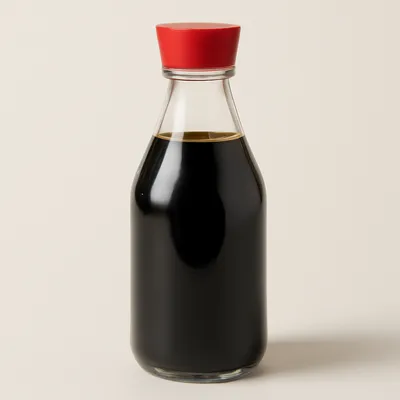
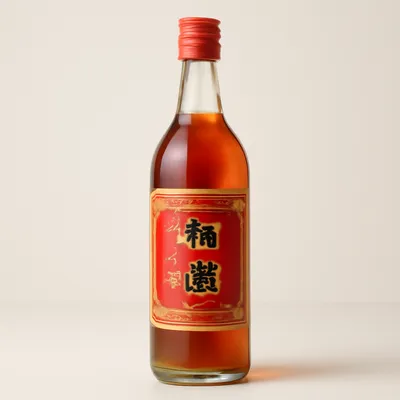
Score the skin in a tight crosshatch — cuts 1cm apart, 2mm deep — without piercing the fat layer; rub salt, five spice powder, dark soy sauce, and Shaoxing wine into the flesh side only.
Watch outScoring into the fat layer (rather than just through the skin) causes the crackling to bubble unevenly — keep the score lines in the skin only.
- 2720 min
Place the belly skin-side up on a wire rack, uncovered, in the refrigerator overnight (8–12 hours) to air-dry the skin until it is paper-dry and slightly taut.
Watch outAny moisture remaining on the skin surface will steam during the initial roast and prevent crackling — the skin must feel bone-dry when touched before going into the oven.
- 35 min
Remove from the fridge 30 minutes before roasting; brush maltose syrup over the scored skin and pack coarse salt into the score lines.
- 430 min
Roast at 240°C on the highest rack for 25–30 minutes, skin-side up, without opening the oven, until the skin blisters and shatters into hard, opaque bubbles.
Watch outPale or soft crackling at 25 minutes means the skin was not dry enough or the oven was not hot enough — blast with the broiler for 3–5 minutes as a rescue, watching closely.
- 510 min
Rest on a wire rack for 10 minutes; brush off any excess coarse salt.
- 65 min
Cut the crackling side with a serrated knife first to avoid shattering it, then chop through the meat into bite-sized cubes.
Watch outUsing a heavy cleaver on fully crackled skin splinters it — score through the crackling with a serrated knife first, then chop.