A Manchu specialty from Yitong county in Siping, Jilin, with over 400 years of documented lineage: whole pigeons are injected deep with a secret seasoning blend, wrapped in foil, buried in charcoal embers to cook through, then finished over open flame until the skin lacquers to dark mahogany. The result is bone-deep fragrance, extraordinary tenderness, and a flavor the Manchu proverb captures as 'one pigeon surpasses nine chickens.' Designated a Jilin Province intangible cultural heritage in 2021.


Yitong roasted pigeon traces its origins to the Manchu founding era, over 400 years ago. According to tradition, the imperial chef Zhao Yuxi accidentally placed a common pigeon alongside game birds while preparing a meal for the founding ruler Nurhaci; when the ruler tasted it he exclaimed, 'tender, bone-deep fragrant, unlike anything before — what dish is this?' discovering that roasted pigeon surpassed all game birds he had eaten. According to the same tradition, in the tenth year of the Tiancong reign (1636), the recipe's keeper relocated to Yitun (present-day Yitong) to escape the chaos of war, settling there and passing the full preparation method — six stages, twelve processes — to the local Manchu community. The dish became the defining specialty of Siping's Manchu population. In December 2021, the Jilin provincial government formally designated the Manchu roasted pigeon craft as the fifth batch of provincial intangible cultural heritage.
The skin cracks like fired lacquerware under the teeth — dark, smoky, faintly charred — then the flesh gives: extraordinarily tender, deeply savory, with a warm spice resonance that seems to come from inside the bone itself. The pigeon's natural richness is amplified rather than masked by the charcoal heat.
Pigeon meat has a higher myoglobin content than chicken, producing its characteristic deep color and rich iron-forward flavor. The three-stage Manchu technique — marinade injection into deep muscle, foil-wrapped charcoal burial, then open-flame finishing — achieves a controlled heat gradient: the buried phase slowly raises the internal temperature to about 75°C, denaturing collagen in the legs and wings into gelatin for extreme tenderness; the open-flame stage drives rapid Maillard browning on the skin, volatilizes the marinade's aromatic compounds, and creates the lacquer-dark surface. Injecting marinade rather than surface-brining is the critical step: the seasoning penetrates to the deep fibers nearest the bone, producing the 'fragrance from inside the bone' that defines the dish.
Variations
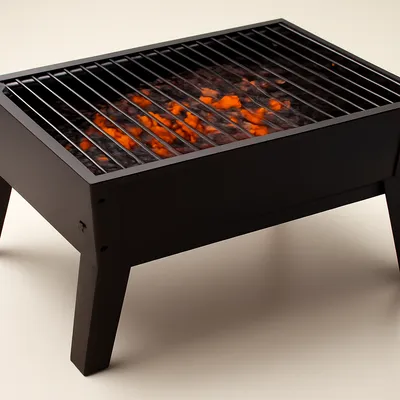
A clay-encasing variant is also traditional in some Manchu villages: the whole pigeon is coated in spiced clay and slow-roasted in embers until the clay cracks, releasing a single concentrated burst of pigeon aroma — similar in principle to Zhejiang 'beggar's chicken.' Restaurants in Siping sometimes serve half portions. A home-kitchen adaptation uses a lidded charcoal kettle grill or a 220°C oven with a final high-broil finish in place of the buried-ember stage, approximating the smoke depth without specialized equipment.
On the Palate
Where Yitong Roasted Pigeon sits in the Chinese flavor cloud
Ingredients
Serves 2

How it's made
7 steps · 1 hour
- 110 min
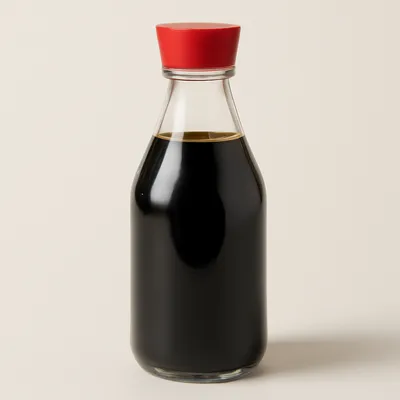
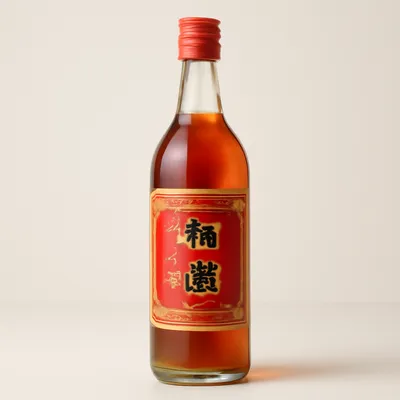
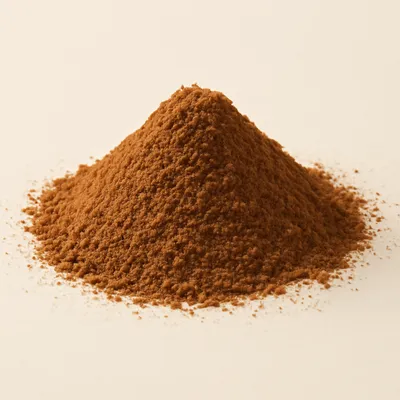
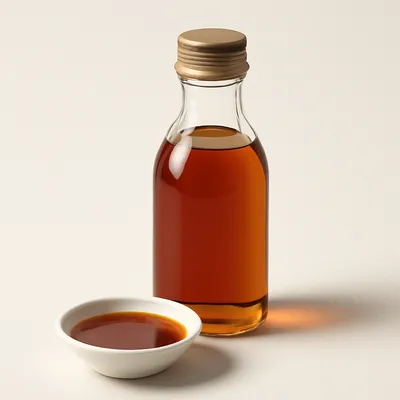
Clean and dry pigeons thoroughly. Mix dark soy sauce, Shaoxing wine, five-spice powder, ginger, scallion, salt, and sesame oil into a marinade.
- 210 min
Using a marinade injector or syringe, inject the marinade deep into the breast muscle, thigh, and wing base of each pigeon, distributing it evenly. Reserve remaining marinade.
Watch outInject the marinade deep into breast, thigh, and wing base — pigeon meat is dense, so surface rub alone never reaches the bone and the inside tastes bland.
- 360 min
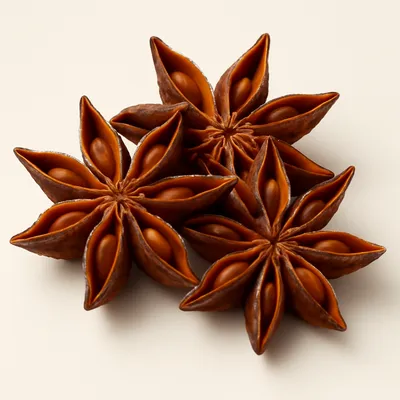
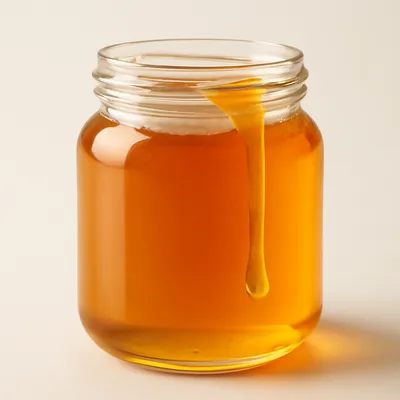
Rub pigeons generously all over with the reserved marinade. Stuff star anise and ginger scraps into the cavity. Brush honey over the skin. Rest at least 1 hour (or overnight refrigerated).
- 45 min
Wrap each pigeon tightly in two layers of heavy-duty aluminum foil, sealing all edges to trap steam. Place on a charcoal grill with indirect heat or in an oven at 180°C.
Watch outWrap tight in two layers of foil, sealing all edges to trap the steam — a leaky parcel dries the bird out during the buried phase.
- 565 min
Cook wrapped for 50–60 minutes (charcoal) or 70 minutes (oven), until fully cooked through. Carefully unwrap, reserving all collected juices.
- 615 min
Grill or broil pigeons directly over high heat for 10–15 minutes, turning frequently, until the skin darkens to deep mahogany and becomes crisp.
Watch outFinish over high open flame, turning constantly, until the skin darkens to deep mahogany and crisps — this stage is all about the lacquer skin, so keep it moving.
- 73 min
Serve each pigeon whole with the collected juices spooned alongside as a dipping sauce.
Archive tool suggestions — not reviewed
These legacy suggestions have not been evidence-reviewed and are not presented as required tools.