Five Spice Powder
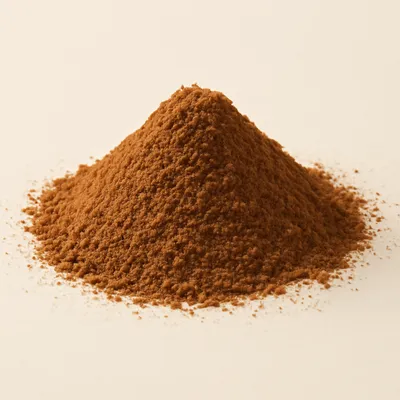
A fragrant blend of warm spices, five spice powder delivers a sweet, savory, and slightly pungent flavor that captivates the senses. This Chinese spice mix embodies the complexity of traditional Chinese cooking.
Where it comes from
Five spice powder has deep roots in Chinese culinary history, representing the five fundamental flavors: sweet, sour, bitter, salty, and umami, often used in medicinal practices as well.
In the kitchen
It elevates marinades, braises, and roasted meats, infusing dishes with aromatic depth and balancing rich flavors.
Across cuisines
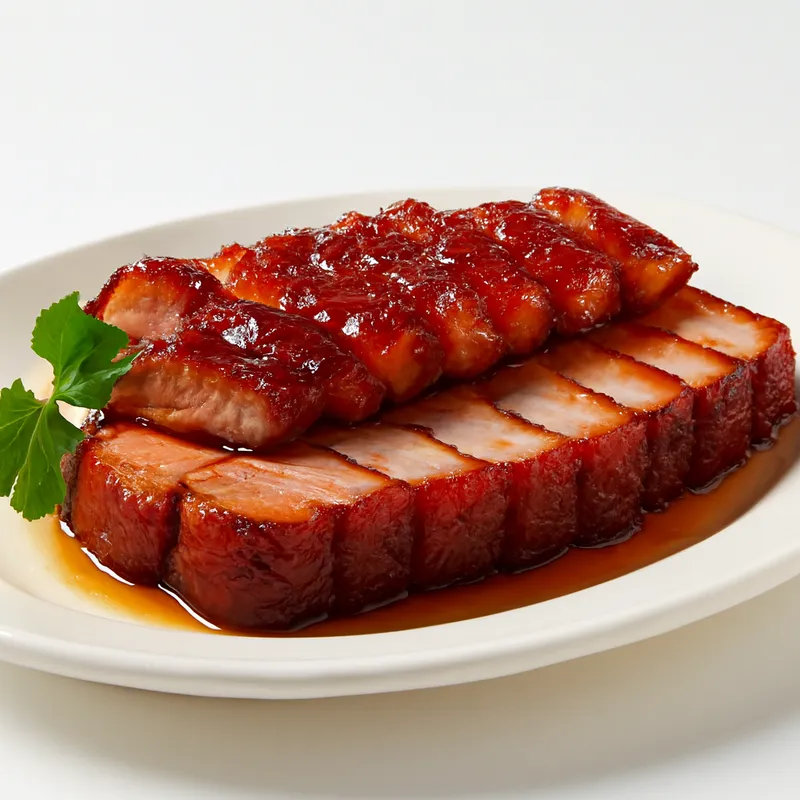
Defining seasoning of Cantonese siu mei — rubbed into char siu, roast suckling pig, and salt-baked chicken before the lacquered roast. The standard Cantonese formula leans on star anise, cinnamon, fennel, clove, and Sichuan peppercorn; some kitchens swap white pepper for the Sichuan note.
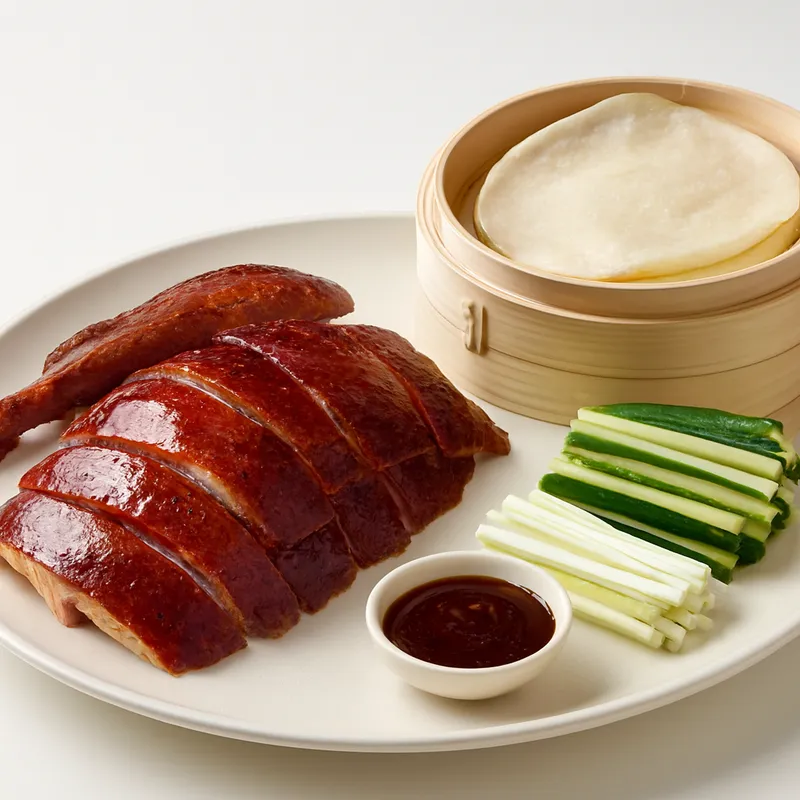
Used as a finishing dust in Beijing sesame-paste buns and as part of the Peking duck spice rub before the air-drying step. Northern five spice favors a heavier clove-cinnamon nose; Sichuan peppercorn is more restrained.
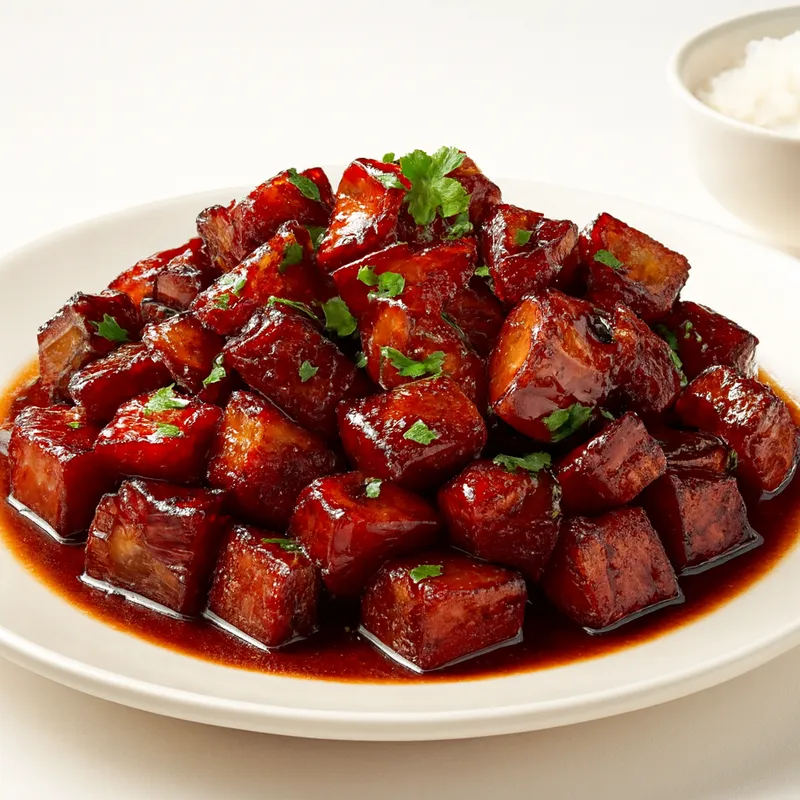
Anchors slow-braised meat dishes — bazi rou and nine-turn pork intestines use five spice to mask offal funk and build the layered savory-aromatic depth Lu cuisine is built on. Often paired with shaoxing and rock sugar.
Notable varieties
Standard: star anise, cassia cinnamon, fennel, clove, Sichuan peppercorn (or white pepper). Balanced and aromatic-forward; designed for roast meat rubs.
Heavier on clove and cinnamon, lighter on Sichuan peppercorn — suits the colder-weather palate and braising tradition. Some northern shops add dried orange peel as the 'sixth' note.
Light on clove, heavy on cassia and star anise — built around the pho broth aesthetic. Often sold pre-ground in coffee-bag-like sachets for one-pot use.
Sweeter profile, often with added licorice root and dried mandarin peel — supports the soy-braised lu-wei (滷味) tradition. The base seasoning for tea eggs and braised tofu.
Nutrition (per 100g)
AI-estimated; model and run unavailable.