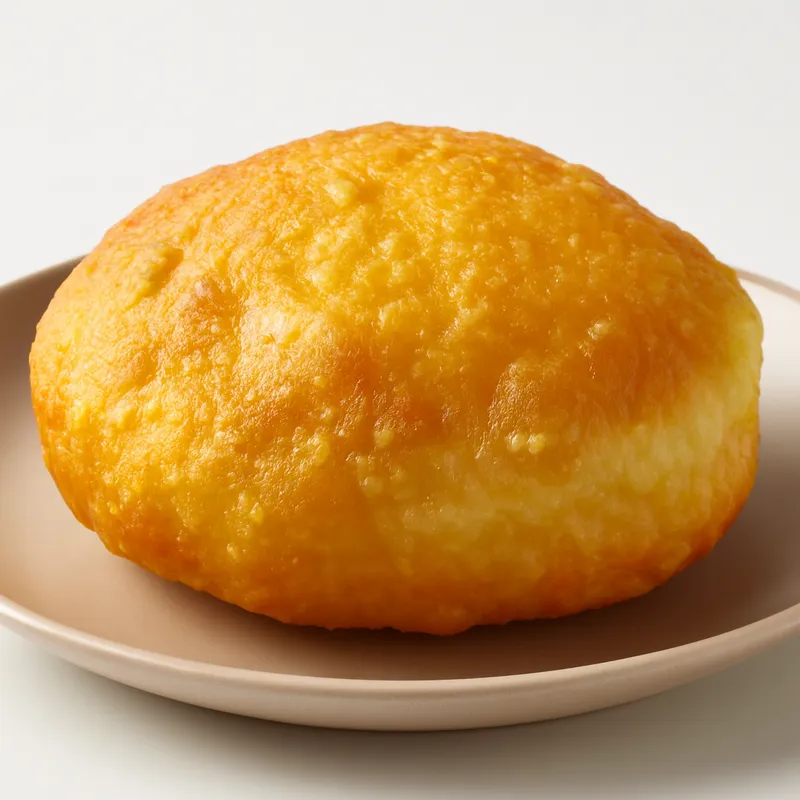
A round wheat bun rolled with sesame paste in a tight spiral, sesame seeds on top, baked pale gold.



Beijing flatbread tradition runs through the Hui Muslim quarter at Niu Jie in the southwest of the old city — many of the best mahjeong shaobing shops are still halal. Pure sesame paste folded into wheat dough as a layered filling is a northern technique that dates at least to the Ming, and the Niu Jie style — pale baked, never browned dark, generous with five-spice — is the Beijing standard. The bun pairs canonically with douzhi, a sour fermented mung-bean drink locals love and outsiders rarely finish.
Niu Jie Hui Muslim quarter shops still set the Beijing standard; sesame paste contains 50% fat, which acts as a barrier between dough sheets so the spiral bakes into distinct laminations. Pure sesame only — peanut blends are too sweet and leak. Pale-baked at 220°C, 12 minutes; never the deep mahogany of Xinjiang naan.
You tear it open along the spiral and the layers come apart like a book of pages, each one painted with sesame paste. Crust is thin and crackles; inside is soft, fragrant with toasted sesame and the faint warmth of five-spice. Beijing breakfast, eaten with a bowl of douzhi (fermented mung-bean drink) or hot soybean milk. If the layers don't separate cleanly, the dough was over-kneaded or the spiral too loose.
The spiral roll is doing layer work: sesame paste contains 50% fat, which acts as a barrier between dough sheets so they bake into distinct laminations instead of fusing. Pure sesame paste only — peanut blends are too sweet and too soft, they leak out. The pale-bake (220°C, 12 minutes) is also deliberate: Beijing tradition wants the sesame on top toasted and aromatic but the crust still tender, not the deep mahogany of a Xinjiang naan.
Variations
Niu Jie style (palest, halal); Xicheng street stalls run a darker bake; Tianjin variant doubles the five-spice; Hebei shops add sugar to the paste — Beijing locals call that one wrong.
On the Palate
Where Beijing Sesame Paste Bun sits in the Chinese flavor cloud
Ingredients
Serves 6

How it's made
6 steps · 40 min active + 1 hour 50 min waiting
- 170 min
Whisk 4g instant yeast and 8g sugar into 200ml warm water (35°C). Pour into 350g all-purpose flour with 4g salt. Knead 10 minutes to a smooth dough. Cover and rise at 28°C for 60 minutes — should double.
Watch outThe dough is ready when it's risen to double and springs back slowly from a poke — under-risen and the buns bake dense.
- 24 min
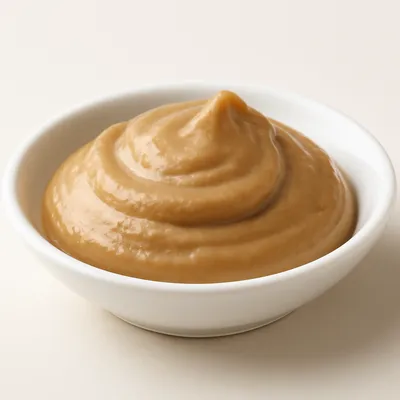
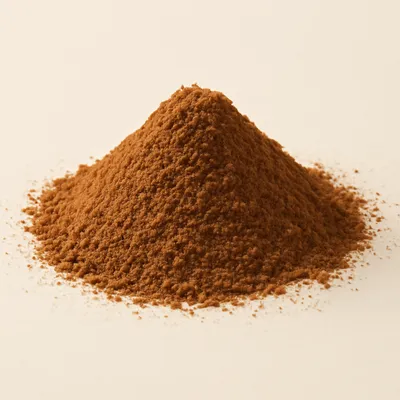
Stir 80g pure sesame paste (mahjeong) with 1 tsp salt, ½ tsp five-spice powder, ½ tsp sugar and 1 tbsp neutral oil to make a spreadable filling.
- 38 min
Roll dough into a 40×30cm rectangle, 4mm thick. Spread the sesame paste edge to edge. Roll up tight along the long side into a log. Cut into 6 equal pieces.
Watch outSpread the sesame paste edge to edge and roll the log up tight — the paste's fat keeps the dough sheets from fusing, so a loose roll loses the layers.
- 48 min
For each piece: stand on its end so the spiral faces up, press flat with your palm into a 8cm disc, gently sealing the bottom. Brush top with a little water and dip in raw white sesame seeds.
- 525 min
Rest the buns 25 minutes — they should look puffy. Preheat oven to 220°C with a baking stone or heavy tray inside.
Watch outMake sure the buns are in a warm place to rise properly.
- 614 min
Bake on the hot tray 12-14 minutes until pale gold (not deep brown — Beijing colour is light). Cool 3 minutes; the spiral layers separate as they release steam.
Watch outBake only to pale gold, not deep brown — Beijing colour stays light; pull them the moment the sesame on top smells toasted but the crust is still tender.
Archive tool suggestions — not reviewed
These legacy suggestions have not been evidence-reviewed and are not presented as required tools.