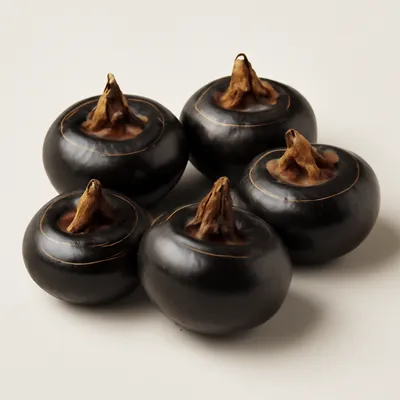
A Quanzhou autumn-winter classic named for appearance, not for any osmanthus ingredient: steamed swimming crab is picked clean, then stir-fried in lard with egg, water chestnut, winter bamboo shoots, and scallion whites over gentle heat until the mixture breaks into golden florets resembling osmanthus blossoms.
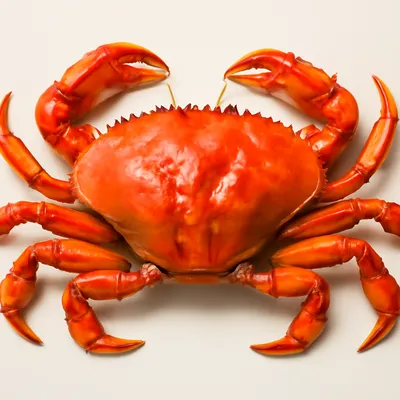



Quanzhou sits at the southern edge of the swimming crab fishery; every autumn as osmanthus trees bloom, successive cold rains fatten the crabs, and the two phenomena converge in a narrow seasonal window. Local seafood culture turned this coincidence into a dish: picked crab meat stir-fried with beaten egg until the mixture scatters into petal-sized curds that visually echo osmanthus flowers. The name 桂花蟹 thus encodes both the season and the appearance of the finished dish. The dish appears in accounts of wealthy Quanzhou household cooking as a fixture where lard and premium crab signalled culinary status, and it traditionally closes the savory sequence of a formal banquet, served with aged local rice wine.
Crab shreds are warm, yielding, and intensely oceanic; water chestnut delivers cool, crisp interludes. Lard rounds the umami without masking it, and the egg binds everything into loose, cloud-like curds that dissolve on the tongue, leaving a lingering sweet-fat finish from the crab roe.
Crab roe and fat contain high concentrations of free amino acids — glycine, alanine, and glutamic acid — plus polyunsaturated fatty acids that drive the dish's pronounced sweetness and umami. Stir-frying at medium-low heat (100–120 °C) denatures egg albumin slowly, producing loose coagulated curds rather than rubbery sheets — high heat would over-cross-link the egg proteins into an impermeable layer that smothers the crab flavor. Water chestnut's crunch is preserved because its parenchyma cells contain calcium oxalate crystals and a pectin-rich cell wall that resist softening at cooking temperature. Lard, high in oleic and palmitic acid, carries fat-soluble aromatic compounds from crab roe more efficiently than vegetable oil, amplifying perceived richness.
Variations
When swimming crab is unavailable, mantis shrimp meat is a Quanzhou substitute with similar technique. A richer version stirs in reserved crab roe off the heat at the very end for maximum fragrance. Some cooks add diced tomato and celery for color and acidity.
On the Palate
Where Quanzhou Osmanthus Crab Stir-Fry sits in the Chinese flavor cloud
Ingredients
Serves 3

How it's made
8 steps · 30 min
- 115 min
Select 2–3 live swimming crabs totalling about 800 g; steam over high heat for 12 minutes until cooked through; cool until handleable.
- 215 min
Pick all meat and roe from the shells; keep roe separate from white meat; discard gills and stomach. Reserve one crab shell for presentation if desired.
- 310 min
Peel and dice 100 g water chestnuts into small cubes; cut 60 g winter bamboo shoots into fine matchsticks; slice 3 scallion whites into thin rounds.
- 45 min
Beat 4 eggs lightly with 1 tsp fish sauce and a pinch of white pepper; fold in all crab meat, roe, water chestnut, bamboo shoot, and scallion white.
- 52 min
Heat 2 tbsp lard in a wide wok or skillet over medium-low heat until the surface shimmers at about 100 °C — not smoking.
Watch outHeat the lard only until the surface just shimmers, not smoking — too hot and the egg seizes into a rubbery sheet that smothers the crab flavour.
- 64 min
Pour the egg-crab mixture into the wok in one motion; let the base set for 15 seconds, then stir gently with a broad spatula, breaking the mixture into loose petal-shaped curds; cook 3–4 minutes total.
Watch outLet the base set fifteen seconds, then push gently into loose petal-like curds — stir too soon or too hard and it turns to fine scramble instead of soft golden clusters.
- 71 min
Remove from heat when the egg is just set and the mixture still looks slightly moist; residual heat finishes the cooking.
Watch outPull it off the heat while the egg still looks a touch wet — the residual heat finishes the middle; cook it dry in the pan and it goes tough.
- 82 min
Plate; garnish with a pinch of fresh coriander; add a few drops of aged rice vinegar; serve with local aged rice wine.
Archive tool suggestions — not reviewed
These legacy suggestions have not been evidence-reviewed and are not presented as required tools.


