
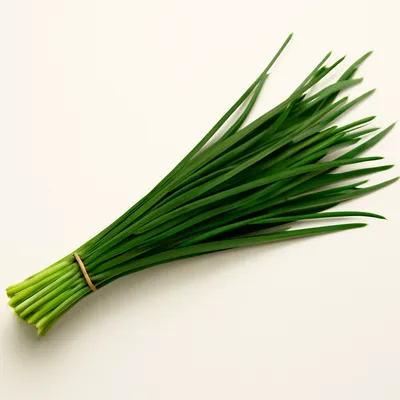
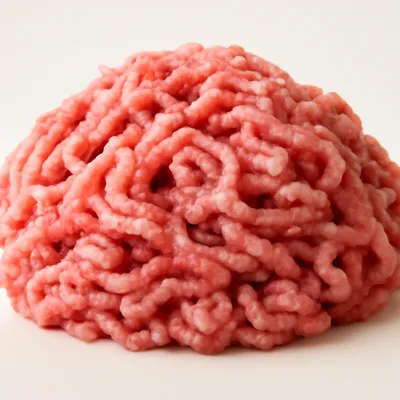
A Hakka rice-sheet roll from Meizhou, especially Fengshun and Dabu. Thin sheets are steamed from a soaked-rice batter, then wrapped around a stir-fried filling of Chinese chives, bean sprouts, shredded bamboo shoot, shiitake, ground pork and dried shrimp. Each roll is dressed with a savoury sauce, toasted sesame and fried shallot. It is a Hakka kin of Cantonese rice-noodle rolls, but where the rolls are cooked plain and sauced, Kun Ban wraps a fully seasoned, pan-fried filling, giving a sheet that is a touch thicker and chewier and a bite that is soft outside, crisp and savoury within. A common breakfast and street snack.


Kun Ban is a folk Hakka snack of Meizhou — Fengshun and Dabu counties especially — and spread to Lufeng, Jiexi and western Fujian. The character 粄 (ban) is a Hakka word for foods made from rice batter or rice flour, and the dish takes its name from the act of wrapping (捆) a filling in a steamed rice sheet. By local account it grew from migration: as the Hakka moved south into hill country where wheat would not grow, cooks had no flour for spring-roll wrappers, so they ground rice into a batter and steamed thin sheets to wrap the filling instead. No firm founding date or inventor is recorded; it is best understood as a long-standing regional snack rather than a dish with a documented origin.
The sheet should be soft and slippery yet hold together when rolled, with a gentle chew that sets it apart from a flimsy rice-noodle roll. Inside, the filling stays crisp and aromatic — chives and bean sprouts snapping, bamboo and shiitake savoury, the dried shrimp and pork lending depth. The sauce clings to the outside rather than soaking through, so the first taste is the dressing and toasted sesame, then the soft skin, then the crunch within. Eaten warm; once cold the skin stiffens and the contrast is lost.
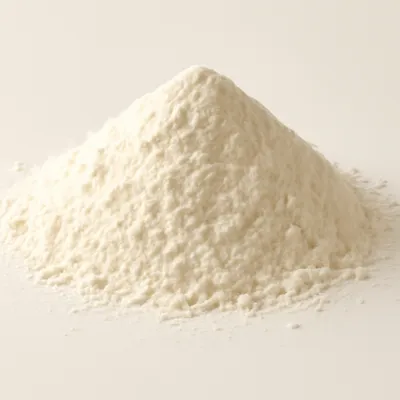
Two things make the dish: the sheet and the pre-cooked filling. Rice that is mostly non-glutinous (粘米) is soaked and ground into a thin batter; resting the batter lets the starch hydrate evenly so the steamed sheet is smooth, not pocked. A thin ladle is poured onto an oiled tray and steamed flat — hot steam gelatinises the rice starch in seconds into a translucent, pliable sheet about 2–3 mm thick, just thick enough to hold a chewy bite and not tear under the filling. The filling is stir-fried separately and cooked through first, so wrapping is only assembly and the sheet never oversteams; frying it apart also drives off moisture that would otherwise make the roll soggy. The flavour base is the Hakka move of popping minced shallot and sesame in hot oil before the vegetables go in, and the finishing sauce is thickened just enough to coat the outside rather than seep in.
Variations
Fillings shift with season and town: Chinese chives and bean sprouts are the everyday version, while others use shredded bamboo, shiitake, taro threads, dried radish, preserved mustard, tofu, long beans, or beef. Beyond the wrapped style (捆), some places make a 'steamed' version (炊) — raw filling is laid on the sheet and steamed together, then rolled and sauced — giving a softer, juicier roll. The contrast with Cantonese rice-noodle rolls is the point of identity: those steam a plain sheet around raw shrimp or pork or with none and finish in soy, whereas Kun Ban wraps a fully stir-fried, seasoned filling in a slightly thicker, chewier sheet.
On the Palate
Where Kun Ban sits in the Chinese flavor cloud
Ingredients
Serves 4


How it's made
7 steps · 40 min active + 50 min waiting
- 140 min
Rinse and soak non-glutinous rice (or rice flour) and blend with water into a thin, pourable batter; let it rest so the starch hydrates evenly.
Watch outRest the ground-rice batter so the starch hydrates evenly — skip it and the steamed sheet comes out pocked and rough instead of smooth.
- 210 min
Soak the dried shiitake and dried shrimp; shred the bamboo shoot and reconstituted shiitake, and cut the chives into short lengths.
- 312 min
Heat oil and pop minced shallot and sesame until fragrant, then stir-fry the ground pork, dried shrimp, bamboo, shiitake, bean sprouts and chives; season with light soy sauce and cook through, then set aside.
- 46 min
Lightly oil a flat steaming tray, ladle on a thin layer of batter, and steam over high heat until a translucent sheet forms; lift the sheet off.
Watch outSteam the thin batter just until it sets into a translucent, pliable sheet — thick enough for a chewy bite but not so long it oversteams and tears.
- 54 min
Lay a portion of the cooled filling along one edge of the sheet, fold in the ends, and roll into a firm log.
- 63 min
Mix a savoury sauce of light soy sauce and a little stock thickened to a light coat; spoon it over the rolls.
- 72 min
Finish with toasted sesame, fried shallot and a touch of chili, and serve warm.
Archive tool suggestions — not reviewed
These legacy suggestions have not been evidence-reviewed and are not presented as required tools.


