Old farmhouse duck braised in equal measures of soy sauce, rice wine, and lard until the liquid reduces to a mahogany glaze. No water is added — the duck renders its own fat and steams in concentrated aromatics, emerging tender with crackling-crisp skin edges and a savory-sweet depth that coats every bone.

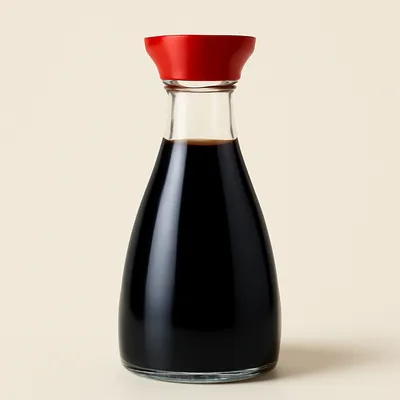
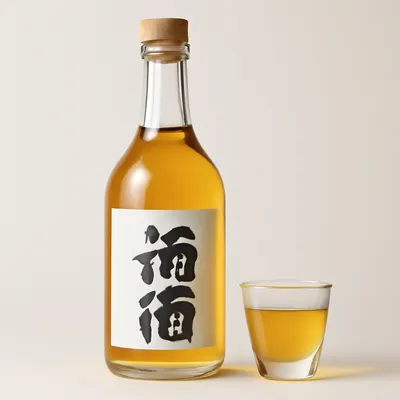
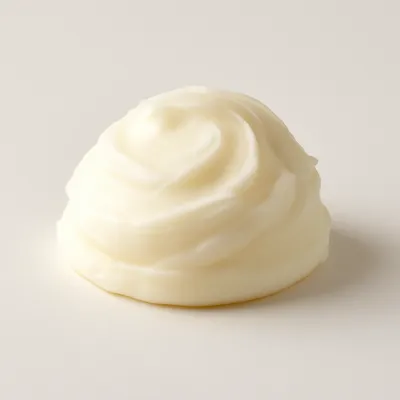


The three-cup braising method traces to rural Jiangxi, where equal portions of soy sauce, sweet rice wine, and lard were standard farmhouse pantry staples applied to braised poultry. Folk tradition links the technique to Wen Tianxiang, the Song dynasty loyalist executed in 1283, whose jailer allegedly cooked him a farewell meal with these three cups — but Jiangxi local gazetteers and Ming-Qing era cookbooks contain no record of the named dish, and this legend is widely considered a later embellishment. Hakka communities in Meizhou and Ganzhou substituted tough farmyard duck for chicken: old laying ducks, with coarser muscle fibers, required the longer moist heat of a sealed clay pot, and the three-cup ratio proved equally suited to the richer flavor of duck fat.
Deep mahogany lacquer on the surface; the first bite releases a burst of soy-wine umami, then a slow sweetness from reduced rice wine, with duck fat pooling warm and savory at the back of the tongue.
Three-cup braising concentrates flavor through progressive alcohol evaporation and Maillard-driven caramelization. Ethanol in the rice wine evaporates on heating, carrying volatile off-notes with it while leaving behind residual sugars that caramelize at around 160°C; soy sauce contributes glutamates for umami depth and sodium for seasoning; lard acts as a fat-soluble flavor carrier, binding volatile aromatics from ginger and garlic. As the liquid reduces by roughly two-thirds, sugars and proteins at the duck's surface undergo Maillard reactions, deepening color from amber to mahogany and concentrating flavor without added thickeners.
Variations
Taiwanese three-cup duck substitutes black sesame oil for lard and adds fresh basil in the final minute; Jiangxi versions sometimes include red fermented bean curd (南乳) for extra depth; some Meizhou households add a small piece of rock sugar to accelerate caramelization.
On the Palate
Where Three-Cup Duck sits in the Chinese flavor cloud
Ingredients
Serves 4

How it's made
7 steps · 20 min
- 115 min
Pat duck pieces completely dry with paper towels; season lightly with salt and set aside 15 minutes.
- 25 min
Heat a clay pot or heavy wok over medium-high; add lard and brown duck pieces skin-side down until golden, about 5 minutes.
Watch outBrown the duck skin-side down until deep golden before anything else — that seared crust is where the mahogany colour and depth come from.
- 31 min
Add sliced ginger and smashed garlic; stir-fry with the duck until fragrant, about 1 minute.
- 42 min
Pour in soy sauce, rice wine, and remaining lard — equal volumes, roughly 80 ml each — and bring to a boil.
- 535 min
Reduce heat to low, cover tightly, and braise for 35 minutes, turning duck pieces halfway through.
- 68 min
Remove lid, raise heat to medium-high, and cook uncovered, turning frequently, until sauce reduces to a thick glossy glaze, about 8 minutes.
Watch outReduce uncovered until the sauce turns thick and glossy and clings to the duck — stop while it's still runny and it tastes thin and watery.
- 71 min
Add sliced scallions, toss to coat, and serve immediately from the clay pot.
Archive tool suggestions — not reviewed
These legacy suggestions have not been evidence-reviewed and are not presented as required tools.


