
Nanning's signature rice noodle and one of Guangxi's "three great rice noodles" alongside Liuzhou luosifen and Guilin rice noodles. Unlike a soup poured over noodles, laoyou fen is stir-cooked: minced garlic, fermented black beans (douchi), sour pickled bamboo shoot, pickled chili, and ginger are first fried in hot oil until aromatic, then minced pork (or pork offal and beef) is tossed in, followed by stock and flat cut rice noodles (qie fen) cooked through in the wok. The result is sour, hot, salty, and intensely fragrant, often brightened with fresh tomato and finished with scallion. A dry-fried form, laoyou chao fen, uses the same seasonings without the broth.


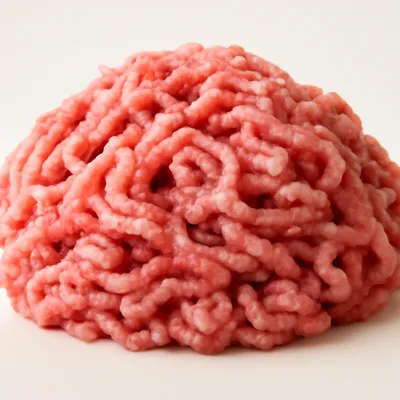


Laoyou fen comes from Nanning, the capital of Guangxi. Its exact inventor and date are unrecorded, but it is commonly traced to a teahouse legend: around the 1930s an elderly regular at the Zhou family teahouse (周记茶馆) fell ill with a cold, and the owner cooked him a bowl of noodles seasoned with fried garlic, douchi, chili, sour bamboo shoot, minced pork, and pepper; the sour, hot, fragrant bowl restored his appetite, and in thanks he is said to have presented a plaque reading 《老友常临》 ("old friends ever calling"), from which the name laoyou ("old friend") spread. This origin tale is widely told but cannot be documented. The heritage status is firmer: on 25 October 2007 laoyou fen entered Nanning's first municipal-level list of intangible cultural heritage, and on 10 November 2008 Nanning laoyou fen entered the second autonomous-region-level list of Guangxi intangible cultural heritage. It is reckoned, with luosifen and Guilin rice noodles, as one of Guangxi's three famous rice noodles.
The first hit is sour-hot steam off the bowl, sharp and nose-clearing. The noodles are smooth flat ribbons of rice, slippery and just tender, still carrying the wok's heat. Underneath runs the funky-salty depth of crushed douchi and the bright sour crunch of pickled bamboo shoot, with raw-edged garlic and chili behind it; tomato, when used, rounds the sourness into something fuller than vinegar. The pork or offal is tender and the broth thin but loud with flavor. Done well it makes you sweat and reach for the spoon again; done badly the bamboo shoot smells of nothing but brine, the douchi is scorched bitter, or the noodles sit in too much watery, flat broth.
Laoyou fen works because its core seasonings are fermented and then bloomed in hot oil. Douchi is salt-fermented black soybeans, broken down by mold and bacteria into free amino acids (chiefly glutamate) and aromatic esters; crushing it and frying it in oil hot enough to sizzle (about 六成热, ~160°C) volatilizes those aromas and spreads the umami through the dish, which is why cooks say the soul of the bowl is the douchi and warn against scorching, since burnt douchi turns acrid. The sourness is built, not poured: sour bamboo shoot is lacto-fermented, its tang coming from lactic acid produced by bacteria during pickling, and many cooks first dry-fry it to drive off excess brine and concentrate it; fresh tomato adds a softer fruit acid and umami that vinegar alone cannot give. Garlic and chili are fried in too, their sulfur and capsaicin compounds blooming into pungency and heat. Then stock goes in and the flat rice noodles are cooked directly in the seasoned liquid so the starch surface absorbs the sour-hot broth rather than merely being doused with it.
Variations
The closest sibling is laoyou chao fen, the dry-fried version that drops the broth and tosses the same garlic-douchi-bamboo-shoot base with the noodles in the wok. The same seasoning base is also cooked with wheat noodles as laoyou mian (the form in the origin tale) and with the river-snail-free flat noodle as the everyday Nanning bowl. Protein varies: minced pork is standard, but pork liver and offal (猪杂), beef, or beef brisket are common, and pickled bird's-eye chili sharpens the heat. Traditionally the noodle is flat cut rice noodle (切粉); rounder rice vermicelli versions are sold but are widely regarded by Nanning eaters as inauthentic. It is sometimes confused with Liuzhou luosifen, but luosifen is a snail-stock soup noodle while laoyou fen is stir-cooked.
On the Palate
Where Nanning Laoyou Rice Noodles sits in the Chinese flavor cloud
Ingredients
Serves 2



How it's made
8 steps · 15 min active + 10 min waiting
- 110 min
Soak or prepare flat cut rice noodles until pliable; if using dried noodles, soften them in warm water and drain.
- 23 min
Dry-fry the sour pickled bamboo shoot in a wok without oil over medium heat until the excess brine evaporates and it smells concentrated, then set aside.
Watch outDry-fry the sour bamboo shoot without oil until the brine cooks off and the smell turns concentrated — this drives off the raw funk and deepens the sourness.
- 32 min
Heat oil in the wok to about 160°C (six-tenths hot); add crushed fermented black beans, minced garlic, ginger, and pickled chili and fry until very aromatic, taking care not to scorch the douchi.
Watch outFry the crushed fermented black beans in oil around 160 degrees just until very aromatic — the douchi is the soul of the bowl, and scorched it turns acrid.
- 42 min
Add the minced pork (or pork offal/beef) and stir-fry until it changes color, then return the bamboo shoot and toss together.
- 52 min
Add diced fresh tomato and stir until it softens and releases its juice, building the sour base.
Watch outCook the diced tomato until it softens and releases its juice — this builds the fresh sour base that defines laoyou fen.
- 62 min
Pour in pork stock or water and bring to a brisk boil, seasoning with a little soy sauce, salt, and white pepper.
- 72 min
Slide in the rice noodles and cook just until heated through and tender, letting them absorb the broth.
- 81 min
Lift the noodles and toppings into a bowl, ladle over the broth, scatter with scallion, and serve piping hot.


