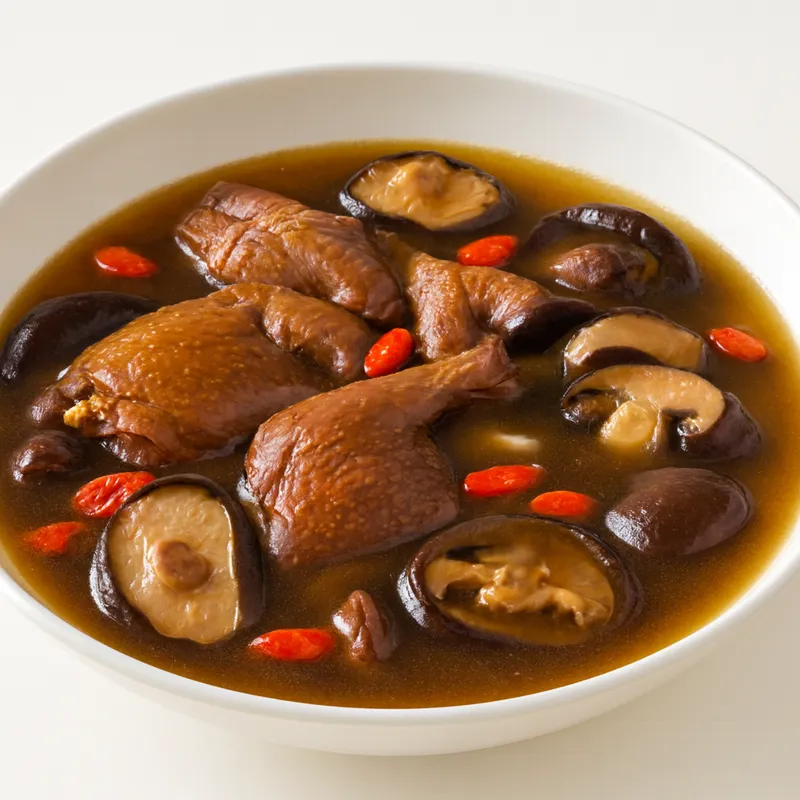
Napa cabbage ribs cut and blasted in a screaming-hot wok with garlic and dried chilli, then doused in a vinegar-sugar-soy sauce and finished with sesame oil. A northern Chinese household staple that is on the table in fifteen minutes.
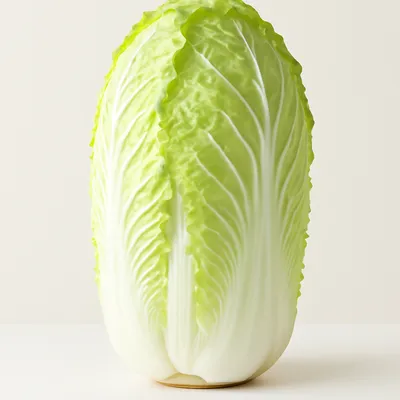



Napa cabbage has been cultivated in China since the Han Dynasty under the name 'song' and became the dominant winter vegetable of north China. Stir-frying it with vinegar and sugar—the essential hot-and-sour balance—is a technique documented by folklorist Deng Yunxiang in his memoir of old Beijing cooking, describing the 'sear-toss-thicken' sequence that defines the dish. The recipe has no single inventor; it belongs to the canon of north-China home cooking that emerged as a winter staple wherever storable cabbage met coal-fired stoves.
A shard of hot, barely-wilted cabbage rib lands on the tongue—snapping crisp, coating instantly in the sweet-sour glaze, a whisper of chilli at the back.
Napa cabbage ribs are dense with pectin and hemicellulose in the cell walls. A screaming-hot wok partially breaks down the cell walls and drives off surface moisture in seconds, preserving crunch while softening the edge. Acetic acid from the vinegar tightens remaining cell structures, maintaining snap. Cornstarch slurry creates a thin gel coating that clings to the cabbage surface, keeping the sauce from pooling at the bottom of the dish.
Variations
Sichuan versions add a tablespoon of doubanjiang and finish with Sichuan pepper oil, turning it spicy and numbing. Shanxi cooks use their own aged black vinegar for a deeper, more complex acidity. Some households add glass noodles for textural contrast. The northern Beijing version relies on clear rice vinegar and a light touch of sugar, keeping the flavour clean and bright.
On the Palate
Where Vinegar-Sautéed Cabbage sits in the Chinese flavor cloud
Ingredients
Serves 4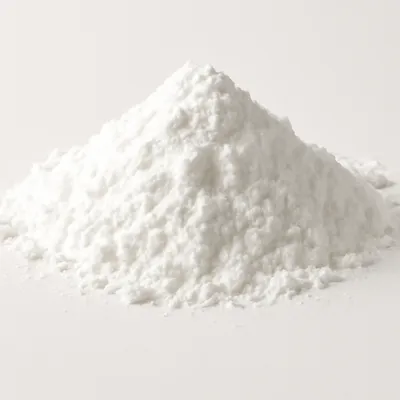
How it's made
6 steps · 15 min
- 14 min
Separate cabbage leaves; cut the thick ribs diagonally into irregular bite-size pieces, keeping ribs and leafy parts separate.
- 22 min
In a small bowl, whisk together rice vinegar, sugar, light soy sauce, cornstarch, and a pinch of salt to make the sauce.
- 32 min
Smash and mince garlic; cut dried chillies into short segments, shaking out seeds.
- 41 min
Heat wok over highest flame until smoking; add oil, then add chilli segments and garlic and stir 10 seconds.
Watch outHeat the empty wok until it smokes before the oil goes in — cabbage hitting a screaming wok sears crisp in seconds, while a lukewarm pan just stews it limp and watery.
- 53 min
Add the firmer rib pieces first; stir-fry 1 minute, then add leafy parts and toss another minute until edges just begin to wilt.
Watch outAdd the thick ribs first and only toss in the leaves once the ribs turn glassy — stir just until the edges wilt so the ribs keep their snap.
- 62 min
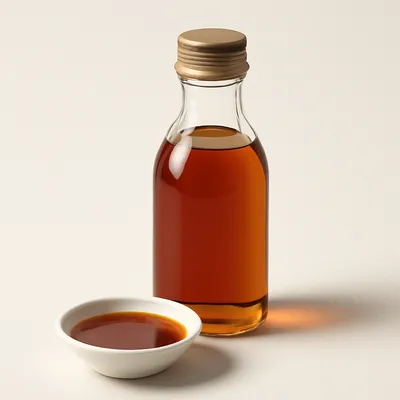
Pour the sauce over the cabbage; toss vigorously to coat, finish with a drizzle of sesame oil, and plate immediately.
Watch outPour the whisked slurry down the side of the wok and toss fast — it should turn glossy and cling to the cabbage in seconds, not puddle watery at the bottom.