A signature halal stir-fry from Beijing's Donglaishun restaurant — lamb leg sliced thin and cooked over maximum wok heat until every drop of moisture is driven off, leaving the meat dry-charred on the outside and tender within. Scallion sections, garlic, and dried chilies provide the aromatic backdrop. The plate arrives without a drop of liquid; the flavor lives entirely in the lamb.
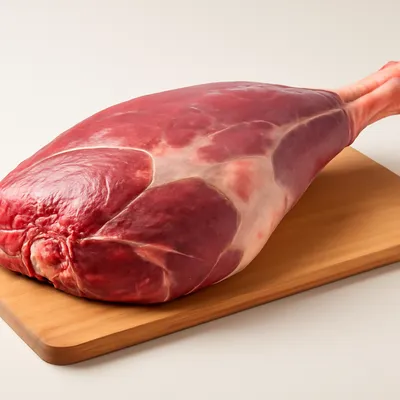





Dry-Blasted Lamb is a defining halal stir-fry at Donglaishun (东来顺), one of Beijing's oldest and most celebrated Muslim restaurants. Ding Deshan, a laborer from Cangzhou, Hebei, established a congee stall at Dong'an Market in 1903; after the market fire of 1912 he rebuilt on the same site as a dedicated mutton restaurant, expanding from 1914 to encompass four cooking pillars — blasting (爆), roasting (烤), stir-frying (炒), and hot-pot (涮). Dry-blasted lamb became the cornerstone of the halal stir-fry menu alongside the more famous instant-boiled hot-pot lamb. In 2008, Donglaishun's mutton preparation skills were inscribed on China's National Intangible Cultural Heritage list, cementing the restaurant's status as the standard-bearer of Beijing halal cooking.
The lamb arrives dry and faintly charred, crackling between the teeth before yielding to tender flesh inside. Scallion sweetness and gentle chili heat frame a deep, roasted lamb aroma with no sauce to dilute it — just concentrated meat and flame.
When wok temperature exceeds 200°C, moisture on the lamb surface evaporates rapidly. Once surface water drops to roughly 10–15%, the Maillard reaction accelerates: free amino acids in the lamb react with reducing sugars, generating hundreds of aromatic volatile compounds — pyrazines, aldehydes, furans — responsible for the characteristic char-roasted fragrance. The 'dry' (干) in the name is the technical key: sustained maximum heat continues to drive off moisture, deepening Maillard products on the surface while the interior retains enough moisture to stay tender, producing the crispy-outside, juicy-inside contrast.
Variations
Home cooks sometimes substitute lamb loin for leg — finer-grained but slightly less flavorful at high heat. Some versions add a small spoonful of sweet bean paste for fermented depth. A Northwestern variation folds in cumin and chili flakes, shifting the dish toward grilled lamb flavors.
On the Palate
Where Dry-Blasted Lamb sits in the Chinese flavor cloud
Ingredients
Serves 3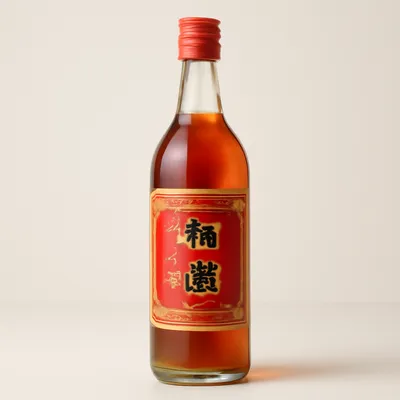
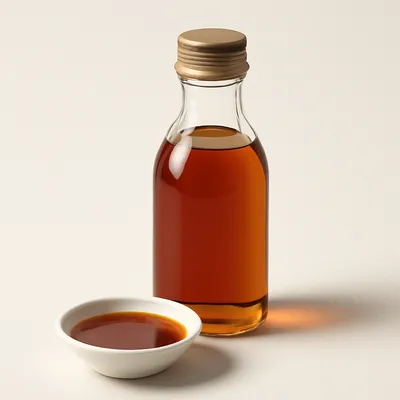
How it's made
7 steps · 10 min
- 110 min
Slice lamb leg thinly across the grain into 5cm strips; marinate with soy sauce, Shaoxing wine, and a pinch of cornstarch for 10 minutes.
- 22 min
Heat wok over maximum heat until it begins to smoke; add a generous pour of oil and swirl to coat.
Watch outHeat the empty wok until it just wisps smoke before the oil — a cool pan steams the lamb gray instead of searing it.
- 33 min
Add lamb in a single layer — do not crowd; let sit undisturbed 30 seconds until the first side sears, then stir-fry vigorously for 1–2 minutes until moisture evaporates and surface takes on light char marks.
Watch outSpread the lamb in one layer and leave it 30 seconds untouched — crowd or poke it and it stews in its own water with no char.
- 42 min
Remove lamb from wok. Add fresh oil, then scallion sections, sliced ginger, garlic cloves, and dried chilies; stir-fry 30 seconds over maximum heat until fragrant.
- 52 min
Return lamb to wok; add soy sauce, a pinch of sugar, and a small splash of dark rice vinegar; toss over highest heat until liquid evaporates and lamb is glossy.
- 62 min
Continue stir-frying 1–2 minutes, maintaining maximum heat throughout; the dish is ready when no steam rises and the lamb surface is dry and fragrant.
Watch outKeep the flame at max till no more steam rises and the surface looks dry and glossy — that dry-fragrant point is the whole dish.
- 71 min
Drizzle sesame oil, toss once, and plate immediately — the dish must be served and eaten at once.
