A signature of Zhili imperial-mansion cookery (直隶官府菜) from Baoding, on the edge of the Baiyangdian wetlands. Diced young chicken is velveted silky-smooth and stir-fried fast with live freshwater shrimp from the lake, bound in a light, glossy, faintly sweet sauce built on Baoding's aged sweet-flour paste. The name 'chicken with leaping shrimp' (鸡里蹦) catches the moment the still-springy shrimp seem to hop among the chicken in the wok — a marriage of land and water freshness. It is a homestyle rice-companion across Baoding to this day, yet grand enough to have appeared on the 2022 Winter Olympics menu.


Baoding was the seat of Zhili province in Ming-Qing times, and its officials' kitchens grew into the refined 'Zhili imperial-mansion cuisine' (直隶官府菜), whose cooking technique was inscribed on China's national intangible-heritage list in 2011. Chicken-and-shrimp stir-fry is one of its banner dishes, drawing on the live fish and shrimp of nearby Baiyangdian. Legend ties its name to the Kangxi emperor: while his imperial barge lay at the lake during a southern tour, a Baoding mansion cook is said to have stir-fried home-raised chicken with fresh Baiyangdian shrimp and the local sweet-flour paste; asked the dish's name, the cook — thinking of how the live shrimp leapt as they cooked — answered 'jili beng' (chicken with leaping shrimp), and the pleased emperor let the name stand. The tale is folklore rather than documented record; some also read 鸡里 as a homophone for 'auspicious' (吉利). What is firm is the dish's home in Baoding and the Baiyangdian shrimp it depends on.
First the chicken — velveted so it slips between the teeth, silky and barely seasoned, carrying the toasty-sweet edge of the bean paste. Then the shrimp, which snap with a clean springy crunch and a cool river-sweetness that plays against the richer chicken. The sauce is thin and bright, just clinging, never gloppy; a faint sweetness rounds it without turning it into candy. Good shrimp are taut and translucent at the bite; tired ones go soft and cottony, and the whole dish falls flat.
Two textures, two tricks. The chicken is 'velveted' — coated in egg white, a little salt, and starch, then slipped through warm rather than hot oil (滑油). As it heats, the egg-white protein sets and the starch gelatinizes into a thin film that seals the surface, so oil cannot soak in and the meat's own juices stay locked inside; the salt also draws out salt-soluble muscle proteins that hold more water, leaving the dice glassy and tender. The shrimp need the opposite — they are barely cooked over fierce heat so their muscle proteins firm up just enough to snap without toughening, which is why genuinely fresh, live lake shrimp matter: their flesh is taut and rebounds, where stale shrimp turn mushy. Everything is finished in seconds over a hot wok with only a light starch-slurry thickening, so the sauce stays a bright glaze that coats but never smothers.
Variations
Two main schools exist. The classic 'slip-fry' (滑炒) keeps things light, tossing the velveted chicken and shrimp with ginkgo nuts and red-and-green pepper to show off the raw freshness; a 'fierce-fry' (爆炒) version marinates them and stir-fries with dried chilies and peanuts for a spicy, Sichuan-leaning heat. Cooks who keep it most traditional insist on Baoding's aged sweet-flour paste, slow-fried over low heat to coax out its mellow fragrance before the meat goes in. Where live river shrimp are out of season, large headless prawns stand in, and some home versions swap the bean paste for a simpler salt-and-wine seasoning to let the freshness speak.
On the Palate
Where Chicken-and-Shrimp Stir-fry sits in the Chinese flavor cloud
Ingredients
Serves 4


How it's made
8 steps · 30 min
- 18 min
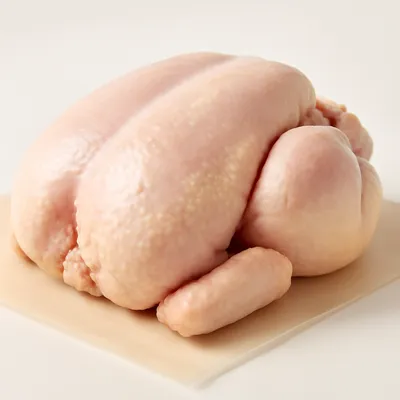
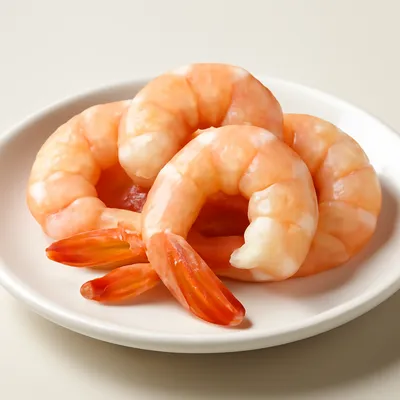
Bone the chicken legs and cut into bite-sized dice; shell the live river shrimp, leaving them whole, and devein them.
- 25 min
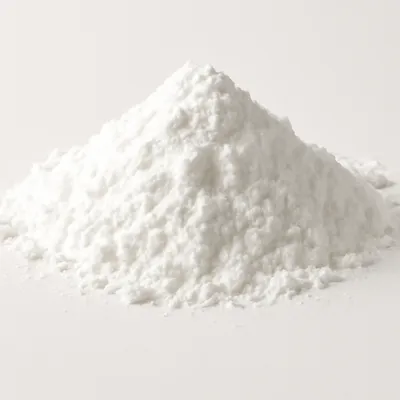
Velvet the chicken: mix in a little salt, egg white, and cornstarch until each piece is glossy; dress the shrimp lightly the same way and let both sit a few minutes.
- 33 min
Stir the sweet-flour paste with a little sugar and water into a smooth seasoning sauce, and mince the ginger, scallion, and garlic.
- 43 min
Warm a generous amount of oil to a gentle heat, slip in the chicken dice, and stir until they turn white and just cooked; lift out and drain.
Watch outSlip the chicken into oil that's only warm — barely a shimmer; too hot and the coating browns and toughens instead of setting glassy and tender.
- 51 min
In the same warm oil, slip the shrimp through for only a few seconds until they curl and turn opaque, then lift out at once.
Watch outThe shrimp need only seconds — lift them the instant they curl and turn opaque, or they go rubbery.
- 62 min
Pour off most of the oil; over low heat fry the sweet-flour paste with the ginger, scallion, and garlic until fragrant and the raw-paste smell is gone.
Watch outFry the sweet-flour paste low until the raw-paste smell is gone and it smells fragrant — a raw paste taste carries straight through the finished dish.
- 71 min
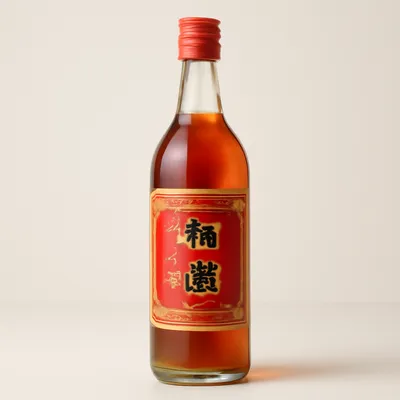
Raise to high heat, return the chicken and shrimp, splash in the Shaoxing wine, and toss fast to coat everything in the sauce.
- 81 min
Bind with a thin cornstarch slurry just until the sauce turns glossy and clings, finish with a few drops of sesame oil, and serve at once.
