One of Jinan haute cuisine's most refined dishes: rehydrated snow-white dried fungus suspended in a crystal-clear master broth—a study in purity, where the transparency of the soup and the jade-like translucency of the fungus become the entire aesthetic.




Clear-broth cookery has its earliest surviving Chinese documentation in the Northern Wei agricultural text Qimin Yaoshu (Essential Techniques for the Peasantry, c. 544 CE), compiled by Jia Sixie in what is today Shandong Province. The text prescribes reducing and skimming meat-and-bone broth into a clear, translucent base—among the oldest documented Chinese master-broth techniques. Snow fungus, native to the subtropical mountain forests of Sichuan and Yunnan, was reportedly prized in Tang-dynasty imperial kitchens and is listed in the Compendium of Materia Medica (本草纲目) for its lung-nourishing and vitality-strengthening properties. By the Qing Dynasty, the pairing of snow fungus with Shandong clarified clear broth had become a defining dish of Jinan's formal banquet repertoire—combining northern broth mastery with a prized southern luxury ingredient.
The soup arrives perfectly clear, shimmering, with just enough depth to taste the hours of slow-simmered poultry beneath its neutral surface. The snow fungus floats in it barely there in terms of flavor—a pure, silky, faintly gelatinous mouthfeel that the broth carries rather than defines.
The clarity of Chinese master clear broth (清汤) is achieved through a two-stage process: a prolonged simmer to extract collagen and flavor, then a clarification pass where minced lean pork is added to the warm broth. The meat proteins coagulate and rise, trapping suspended particles in a raft—the same principle as French consommé. Snow fungus polysaccharides form a hydrogel at cooking temperatures, giving the fungus its characteristic gelatinous, slightly slippery texture. This polysaccharide network also carries documented immunomodulatory activity in laboratory studies.
Variations
The basic dish can be enriched tableside with crab meat, dried scallop, or bamboo pith floated alongside the fungus. A sweetened dessert version replaces the savory broth with rock-sugar syrup and lotus seeds—a completely different dish sharing the same starring ingredient.
On the Palate
Where Clear-Broth Snow Fungus sits in the Chinese flavor cloud
Ingredients
Serves 4How it's made
8 steps · 30 min
- 130 min
Soak dried snow fungus in cold water 30 minutes until fully expanded; trim and discard the tough yellow base; tear into small florets.
- 25 min
Blanch snow fungus in lightly salted boiling water 2 minutes; drain and rinse with cold water to remove any raw flavor.
- 310 min
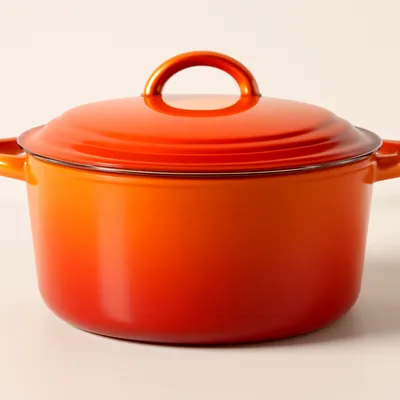
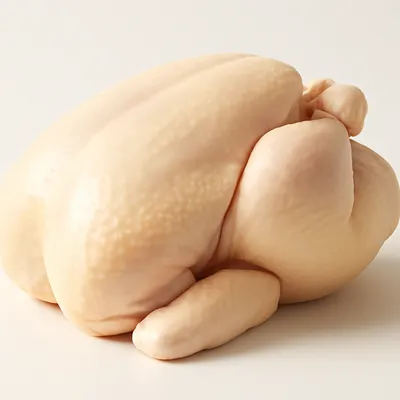
Combine whole chicken, duck bones, and pork shank in a pot; cover with cold water; bring to a full boil; discard this blanching water and rinse ingredients clean.
- 4150 min
Return cleaned ingredients to pot with fresh cold water; simmer uncovered over medium-low heat 2–3 hours, skimming frequently; strain to obtain primary broth.
Watch outKeep it at a whisper of a simmer and skim relentlessly — one hard boil churns the fat back in and clouds the stock for good.
- 520 min
Cool broth to 70°C; stir in minced lean pork mixed with cold water; raise heat slowly—as meat proteins coagulate they rise, trapping particles.
Watch outCool to about seventy degrees before adding the minced pork, then raise heat slowly — too hot and the meat sets in shreds instead of rising as a clarifying raft.
- 610 min
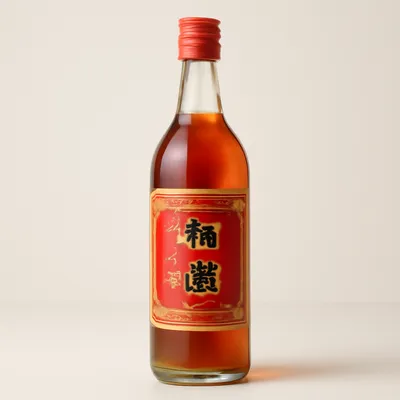
When all coagulated meat forms a raft on top, carefully ladle the clear broth through a fine cloth; season with salt and a splash of Shaoxing wine only.
Watch outWait until the coagulated meat gathers into one raft on top, then ladle gently through the cloth — the broth should run clear as water.
- 73 min
Divide snow fungus florets into individual bowls; ladle hot clarified broth over them.
- 82 min
Serve immediately; garnish with a thin slice of Jinhua ham or a single sprig of cilantro if occasion demands.
Archive tool suggestions — not reviewed
These legacy suggestions have not been evidence-reviewed and are not presented as required tools.