
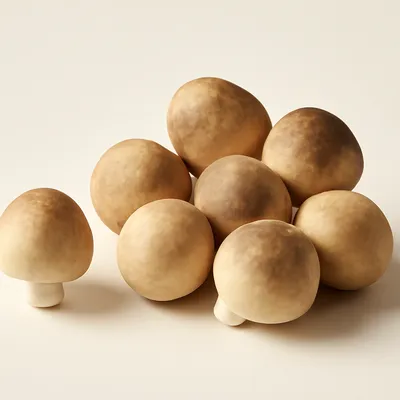
护国菜是潮州筵席上的看家工夫菜:取番薯叶去筋络、用碱水焯过再换水漂净苦味,剁成细茸,下上汤与草菇、火腿茸慢煨,再以湿淀粉勾成一碗滑润的翠绿茸羹,淋上熟猪油、麻油,碧绿油亮、入口清润。相传南宋末年宋帝南逃潮州,庙僧以一碗番薯叶羹奉上,帝食而赞之,赐名「护国菜」——此说为民间传说,并非信史。
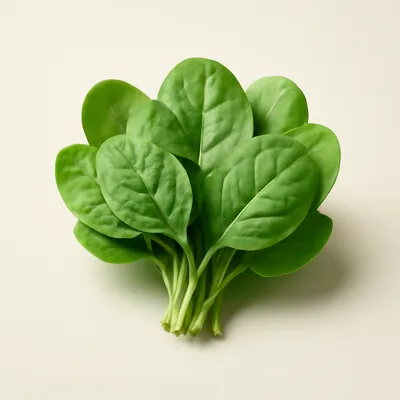



Huguo cai — literally guard-the-nation vegetable — is a classic banquet dish of Chaozhou (Teochew) cooking, famous less for its humble leaves than for the labour and refined stock behind it. By tradition, and this is legend rather than documented history, the name dates to 1278, when the boy-emperor of the dying Southern Song fled south and sheltered in a mountain temple near Chaozhou; a monk, having nothing better, picked sweet-potato leaves from his plot, stripped out the bitter parts and simmered them into a soup, which the famished young emperor praised and named huguo cai for the kindness that protected him. The pretty story does not survive scrutiny: the sweet potato did not reach China until the Ming, around 1593, when the Fuzhou merchant Chen Zhenlong carried it back from Spanish-ruled Manila, so no Southern Song monk could have cooked its leaves — wild greens such as amaranth, spinach or water spinach are the likely originals. Chroniclers also note that when the Song court actually passed through Chaozhou the reigning child-emperor was Zhao Shi, not his successor Zhao Bing of the legend. By the time recipes were written down the dish had settled on sweet-potato leaves: a 1988 Chaozhou cookbook ranks them best, then amaranth, spinach, water spinach and Swiss chard. Whatever its true beginning, it became a showpiece of the Chaozhou banquet and a fixture of high Teochew craft cookery.
It comes to the table as a thick, glossy pool of deep emerald, smooth as velvet and giving off the warm scent of lard and superior stock. There is almost nothing to chew — the leaves are pounded so fine that the puree slides off the spoon and melts on the tongue, leaving a clean, faintly grassy sweetness with every trace of bitterness washed away. The straw mushrooms add soft little bites and an earthy depth, the minced ham a thread of savoury salt, and the broth underneath is round and rich without ever turning heavy or cloudy. Done right it is dense yet limpid, silky and cooling; a puree gone watery, grey, or bitter at the back of the throat means the leaves were not cleaned or pounded with enough care.
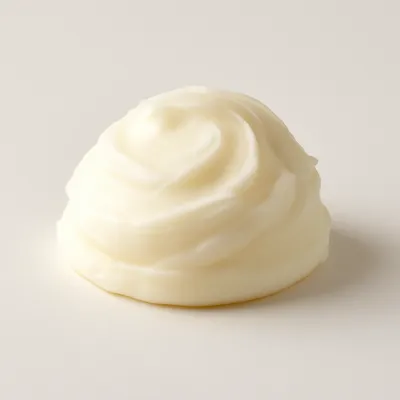
The whole dish turns on two problems: killing the bitterness of the leaves and carrying a near-flavourless green on the back of a great stock. Sweet-potato leaves carry a sharp, astringent bitterness, so they are first stripped of their tough veins, then blanched in alkaline water — lye water or a little baking soda — and rinsed through several changes of clean water; the alkali both pulls out the bitter compounds and, by raising the pH, fixes the bright green of the chlorophyll so the puree stays vivid rather than dulling to olive. The drained leaves are chopped to a fine paste. Because the green itself tastes of almost nothing, the flavour is borrowed: straw mushrooms are first steamed with chicken fat, ham and stock to deepen them, then the leaf paste is briefly stirred in lard and simmered in superior stock so it drinks up the savour. Finally a little wet starch slurry is stirred through to thicken the soup into a smooth, suspended puree that will not separate, and rendered lard and sesame oil are folded in off the heat for gloss and aroma. The thickening is what holds the fine leaf evenly through the broth; too little and it weeps water, too much and it turns to paste.
Variations
The leaf is the first variable: sweet-potato leaves are the prized choice, but amaranth, spinach, water spinach and Swiss chard all stand in, and the 1988 Chaozhou cookbook ranks them in just that order. Banquet versions are dressed up — a scattering of minced Jinhua ham, a few goji berries, or straw or black mushrooms for body — while plainer kitchens keep it to leaves, stock and starch. Some cooks float a swirl of the puree against a pale ring of stock for show, or finish a richer table version with chicken oil instead of lard. The constant is the method: bitter greens cleansed, pounded fine, and lifted by a superior stock into a smooth emerald puree.
On the Palate
Where Huguo Vegetable Puree sits in the Chinese flavor cloud
Ingredients
Serves 4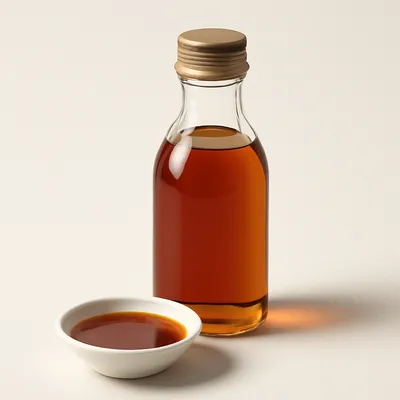

How it's made
7 steps · 45 min active + 30 min waiting
- 110 min
Strip the tough veins from 400g sweet-potato leaves (or amaranth or spinach) and wash them well.
- 212 min
Blanch the leaves briefly in water with a little baking soda, then lift out and rinse through three or four changes of clean cold water until no bitterness remains; squeeze dry.
Watch outRinse the blanched leaves through several changes of water until no bitterness remains — the alkali also fixes the bright green, so under-rinsing leaves it bitter and dull.
- 38 min
Chop the drained leaves very fine, almost to a paste.
- 420 min
Steam the straw mushrooms with a little chicken fat, minced ham and stock for about 20 minutes to deepen their flavour, then reserve with their juices.
- 510 min
Heat lard in a wok, stir the leaf paste briefly, then add the mushrooms with their liquid and a good measure of superior stock and simmer.
- 65 min
Stir in a wet starch slurry a little at a time until the soup thickens to a smooth, glossy puree that coats the spoon.
Watch outAdd the slurry a little at a time until it just coats the spoon — dump it in and the puree goes gluey; too little and the soup won't hold its silky body.
- 73 min
Off the heat, fold in rendered lard and a few drops of sesame oil; ladle into a warmed bowl, scatter the minced ham and a few goji berries, and serve at once.
Archive tool suggestions — not reviewed
These legacy suggestions have not been evidence-reviewed and are not presented as required tools.


