
A classic Cantonese raw-cooked-to-order congee (sang gun juk) built on pork offal: a pot of fully broken-down plain rice congee is kept at a boil, and at the moment of serving sliced pork liver, pork intestine and pork meatballs are dropped in and just cooked through. The base is smooth and silky, the offal tender and clean, the bowl finished with scallion, ginger and white pepper. Its auspicious name, kap dai (及第), means 'passing the imperial examination' — a play on words that turned a humble offal congee into a dish of good omen.




Scholar's congee belongs to the Cantonese culture of 粥品 — the congee shops of Guangzhou and Hong Kong — and is the offal member of the sang gun juk (raw-rolled congee) family. Its name is the heart of its story, and two explanations circulate, both folk etymology rather than firm record. One is a play on words: Cantonese butchers and cooks called pig offal 'jaap dai' (杂底, 'mixed bits'), which sounds close to 'kap dai' (及第, examination success), so an offal congee was given the lucky homophone — also called 三元及第粥, after the three top examination ranks, for its three kinds of offal. The other is a legend attached to the Ming-dynasty scholar Lun Wenxu (伦文叙) of Guangdong, said to have been fed such a congee in his poor youth by a kindly congee-seller and, on later taking the top degree, to have returned and named the bowl 'kap dai' in gratitude. Either way the name made an everyday offal congee a dish eaten for good fortune, especially before examinations.
The base is smooth and fully broken down — no whole grains, only a silky, faintly starchy gruel that coats the spoon. Against it come the just-cooked offal: pork liver in tender, soft-set slices with a faint mineral richness; pork intestine cleaned and pre-cooked to a springy, slightly chewy bite; and bouncy pork meatballs. Done right, none of it tastes 'offaly' — the liver is pink and creamy rather than grey and grainy, the intestine clean and odour-free. Scallion and slivered ginger lift it, white pepper warms it, and a piece of fried dough on the side adds crunch. Overcook the liver and it turns hard and powdery; that is the dish's main pitfall.
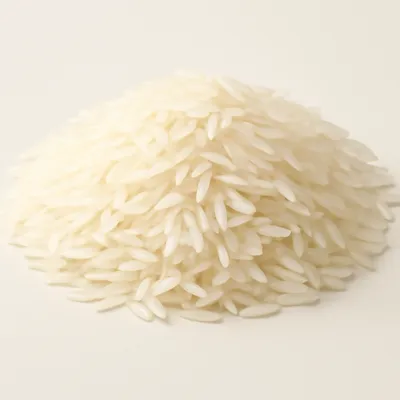
Two techniques carry the dish: a silky base and split-second cooking of the offal. The base depends on starch gelatinization — rice is simmered long and slow in plenty of water (roughly 1 part rice to 10–12 parts) until the grains swell, burst and dissolve into a thick, smooth gruel; soaking the rice an hour or more, or tossing it with a little oil and salt, helps it break down faster and silkier. The offal is the harder part. Pork liver is sliced thin, rinsed of blood and often dusted with a little cornstarch and oil, then dropped into the genuinely boiling congee only at the end: thin slices in a 100°C base set in seconds to a minute, staying tender — left longer, the proteins seize and the liver goes hard and grainy. Pork intestine, which needs long cleaning and pre-cooking to be tender and clean, is added already cooked, just to heat through; the meatballs likewise. Everything is served the instant the offal is set.
Variations
The 'three offal' set is the classic — liver, intestine and meatball, for the three-rank pun — but houses vary it: pork heart, kidney, stomach, or sliced lean pork stand in or join, and some add fish slices or a raw egg stirred through. The base may be plain rice congee or one enriched with dried scallop, gingko or a pork-bone stock; a few cooks slip in a 'silk thread' of slivered pork or pig-skin (fu pei). It is finished to taste with scallion, slivered ginger, white pepper, a few drops of sesame or peanut oil, and fried dough on the side. It sits alongside the other Cantonese sang gun juk — fish-slice congee, sliced-beef congee and the mixed sampan congee.
On the Palate
Where Scholar's Congee sits in the Chinese flavor cloud
Ingredients
Serves 4
How it's made
7 steps · 25 min
- 165 min
Rinse the rice, toss with a little oil and salt, and soak at least 1 hour; this helps it break down to a silky congee.
- 280 min
Simmer the rice in plenty of water over low heat, stirring now and then, for 60–90 minutes until the grains have dissolved into a smooth, thick gruel.
Watch outSimmer until the grains dissolve into a smooth thick gruel — soaking helps, but the base has to break down fully or the congee stays grainy, not silky.
- 340 min
Meanwhile clean the pork intestine thoroughly and pre-cook until tender; slice it and the pork liver thinly; rinse the liver of blood and dust it with a little cornstarch.
- 410 min
Roll the minced pork into small meatballs.
- 55 min
Keep the congee base at a genuine rolling boil. Drop in the meatballs and intestine to heat through.
- 62 min
Add the thin liver slices last and cook only until they just turn from pink — a matter of seconds to a minute — so they stay tender.
Watch outAdd the thin liver slices last into genuinely boiling congee and cook only seconds — a moment too long and the liver turns tough and grainy.
- 73 min
Ladle into bowls and finish with scallion, slivered ginger, white pepper and a few drops of sesame oil; serve at once with fried dough on the side.
Archive tool suggestions — not reviewed
These legacy suggestions have not been evidence-reviewed and are not presented as required tools.


