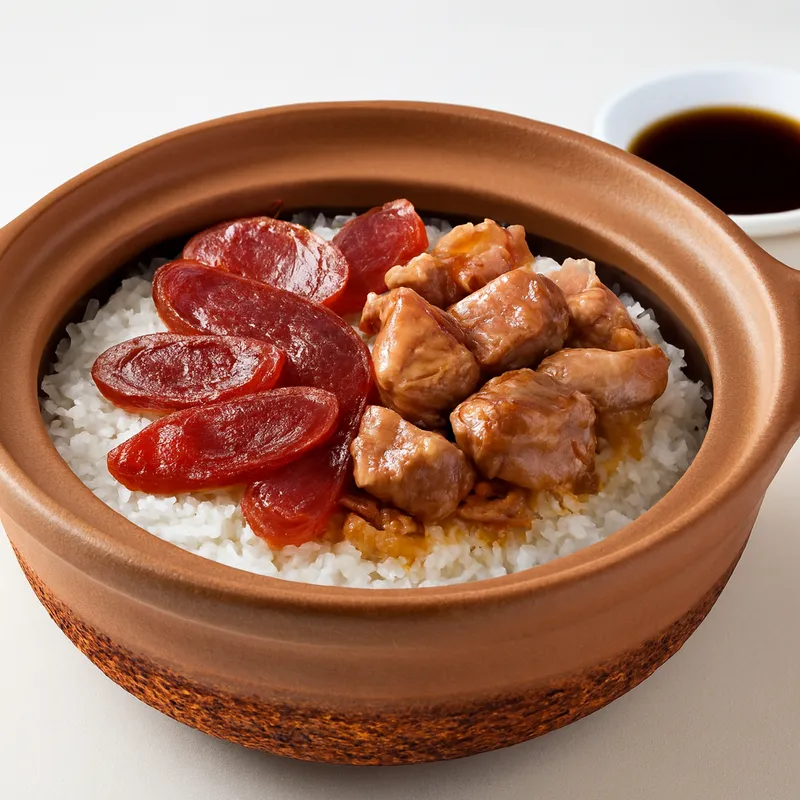
A Cantonese raw-cooked-to-order congee (sang gun juk) in which thin slices of raw beef are flash-poached in boiling rice congee at the moment of serving. A pot of fully broken-down plain congee is kept at a rolling boil; the marinated raw beef is stirred in off the heat, and the residual heat of the gruel cooks it through in under a minute to silky, just-set slices. It is finished with slivered ginger, scallion and white pepper — a simple, comforting bowl eaten for breakfast or a late-night meal.
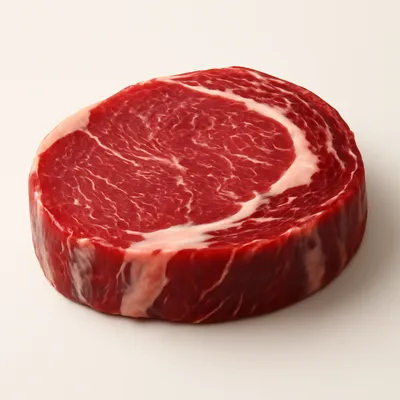
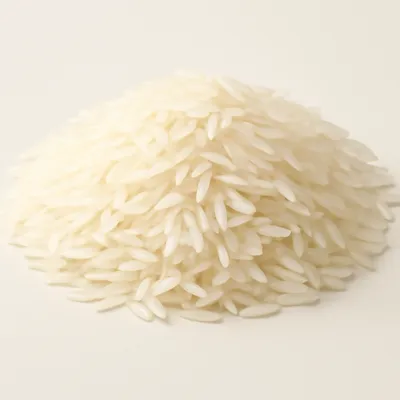




Beef congee belongs to the Cantonese culture of 粥品 — the congee shops of Guangdong and Hong Kong — and to the sang gun juk (raw-rolled congee) family, in which raw ingredients are cooked to order in a hot plain-congee base rather than simmered in from the start. It has no single inventor or date; it is one of the standard 'flavoured' congees of the Cantonese repertoire, sitting alongside fish-slice congee (鱼片粥), the offal-based scholar's congee (及第粥), and century-egg-and-pork congee. Its appeal is its directness: good rice, good beef, and the technique of cooking the meat at the very last second so it stays tender.
The base is smooth and fully broken down — no whole grains, just a silky, faintly starchy gruel that slides off the spoon. Through it run slices of beef that are tender and only just set, smooth and slippery rather than firm, keeping their juice and a clean beefy sweetness; a good marinade leaves them silky-soft, never grey and chewy. Slivered ginger cuts any rawness, scallion brightens it, and white pepper gives a gentle warmth that suits the beef. A few drops of sesame oil round it off, and fried dough on the side adds crunch. The fault to avoid is overcooked beef gone hard and grey — the slices should look barely done.
Two things make it: a silky base and split-second cooking of the beef. The base depends on starch gelatinization — rice is simmered long and slow in plenty of water (around 1 part rice to 10–12) until the grains swell, burst and dissolve into a thick, smooth gruel; pre-soaking the rice, or tossing it with a little oil and salt, helps it break down faster and silkier. The beef is the technique. It is sliced thinly across the grain and marinated with cornstarch, a little oil, soy and water — the starch and oil form a coat that seals in moisture and shields the meat from the heat, the principle behind velveting (上浆) — then stirred into the genuinely boiling congee at the very end, ideally off the heat. Because the slices are thin and the base is around 100°C, residual heat poaches them through in well under a minute, setting the proteins gently so the beef stays tender and juicy; cook it longer and the proteins contract, squeeze out moisture and turn the meat tough and grey. The congee is served the instant the beef is just set.
Variations
The same hot base carries the whole Cantonese congee menu: fish-slice congee, sliced-pork congee, century-egg-and-pork, the offal scholar's congee and the mixed sampan style. Within the beef bowl, some stir a raw egg through for richness, or add slivered preserved vegetable, peanuts or fried dough; ginger is near-universal, and a little dried tangerine peel or dried scallop can be cooked into the base. The cut and slicing matter — tender beef, sliced thin and against the grain — and the marinade may include a pinch of baking soda for extra tenderness in some shops. It is finished to taste with scallion, ginger, white pepper and sesame oil.
On the Palate
Where Beef Congee sits in the Chinese flavor cloud
Ingredients
Serves 4
How it's made
7 steps · 20 min
- 165 min
Rinse the rice, toss with a little oil and salt, and soak at least 1 hour so it breaks down to a silky congee.
- 280 min
Simmer the rice in plenty of water over low heat, stirring now and then, for 60–90 minutes until the grains have dissolved into a smooth, thick gruel.
Watch outSimmer the rice 60 to 90 minutes until the grains burst and dissolve into a smooth, thick gruel — that silky base is half the dish.
- 318 min
Slice the beef thinly across the grain; marinate with cornstarch, a little oil, soy sauce and a splash of water for 15 minutes.
- 45 min
Bring the congee base to a genuine rolling boil and season the base lightly with salt.
Watch outBring the base to a genuine rolling boil before the beef goes in — if it's only warm it won't cook the raw slices through.
- 52 min
Turn off or lower the heat and stir the marinated beef into the hot congee, separating the slices.
- 61 min
Let the residual heat cook the beef through — under a minute — until the slices are just set and still tender.
Watch outCut the heat and let the residual warmth cook the beef in under a minute — stir it into truly boiling congee any longer and the thin slices seize tough.
- 73 min
Ladle into bowls and finish with slivered ginger, scallion, white pepper and a few drops of sesame oil; serve at once.
Archive tool suggestions — not reviewed
These legacy suggestions have not been evidence-reviewed and are not presented as required tools.