
A single platter of jasmine, pumpkin flower, daylily and rose — each prepared a different way, eaten in one sitting.
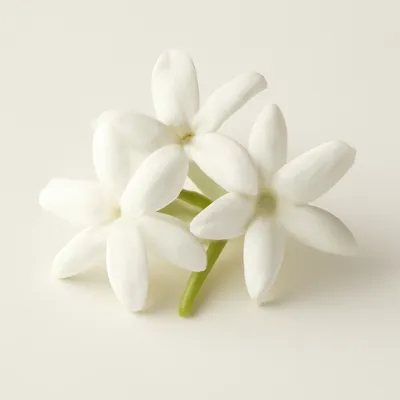


Yunnan, home to more than 25 ethnic groups, has the deepest flower-eating tradition in China — flowers from over 300 plant species are eaten across the province. In the southwest, the Dai, Hani, Bulang, Jino, Lahu and Yi peoples of Xishuangbanna cook with flowers year-round; the Dai in particular prize them, favoring cold-dressed preparations, while the Bai around Dali use rhododendron and rose. Markets in Kunming sell more than forty edible varieties by season. The composed flower platter is a banquet form: it lets the cook show off range without hiding any single flower under sauce.
Kunming markets sell over forty edible flower varieties by season; Dai people in Xishuangbanna cook with banana flower year-round, Bai around Dali use rhododendron and rose. Pumpkin flower (90% water) collapses in 60 seconds — salt late or it leaches.
Four corners, four temperatures. Cool jasmine-cucumber crunches with a vinegar lift. Pumpkin-flower stir-fry slips off the chopsticks, oil-bright. Battered daylily shatters into a soft floral interior. Then a sip of pale broth that smells like a garden five seconds after rain. You eat it like a tasting flight; if any one corner overpowers the others, the kitchen overdid the salt.
Each flower has a different water content and structural cell wall, so each demands a different technique — pumpkin flowers (90% water, fragile) collapse in 60 seconds and salt-late or they leach; daylily (lower water, fibrous) needs the batter to protect the volatiles during the fry; rose and jasmine carry their aroma in heat-labile linalool and benzyl acetate, which is why the broth goes off-heat before they drop in. Treat them all the same and you get a plate of wet salad. Several flowers are also bitter or mildly toxic — daylily, rhododendron (the white 'dabaihua'), thorn-flower and crabapple-flower must be parboiled and rinsed repeatedly (sometimes for two or three days) to leach out tannins and saponins before they are safe; taro flowers must be fully cooked or their calcium-oxalate needles sting the throat.
Variations
Dai-style banana-flower stir-fry from Xishuangbanna; Bai rose-petal jam in Dali; Lijiang Naxi cooks tilt toward stuffed daylily; Kunming banquet kitchens compose the four-corner platter.
On the Palate
Where Yunnan Edible Flower Plate sits in the Chinese flavor cloud
Ingredients
Serves 4





How it's made
6 steps · 30 min active + 5 min waiting
- 18 min
Soak fresh jasmine and rose petals in cold salted water for 5 minutes to dislodge insects. Drain and pat dry. Trim the green calyx off daylily flowers — it's bitter.
Watch outTrim off the green calyx of each daylily flower — leave it on and the dish turns bitter.
- 24 min
Toss jasmine with thin-sliced cucumber, a splash of rice vinegar, sugar and a pinch of salt. Plate as the cold salad corner.
- 33 min
Stir-fry pumpkin flowers with garlic in 30ml oil over high heat, 60 seconds — they collapse fast. Salt at the end so they don't weep.
Watch outBlast the pumpkin flowers on high for just a minute and salt at the very end — they collapse fast and salt early makes them weep.
- 48 min
Dip daylily flowers in a thin batter of flour, water and one egg. Deep-fry at 170°C for 90 seconds until pale gold. Drain on rack.
Watch outMonitor the oil temperature closely to avoid burning the batter.
- 55 min
Bring chicken stock to a low simmer with a slice of ginger. Drop in rose petals just off the heat — 10 seconds. Ladle into a small bowl as the broth corner.
Watch outDrop the rose petals in only after the stock's off the boil, ten seconds — the aroma cooks away in a rolling pot.
- 62 min
Arrange the four preparations on one long platter, each with its own corner. Serve at room temperature with rice on the side.


